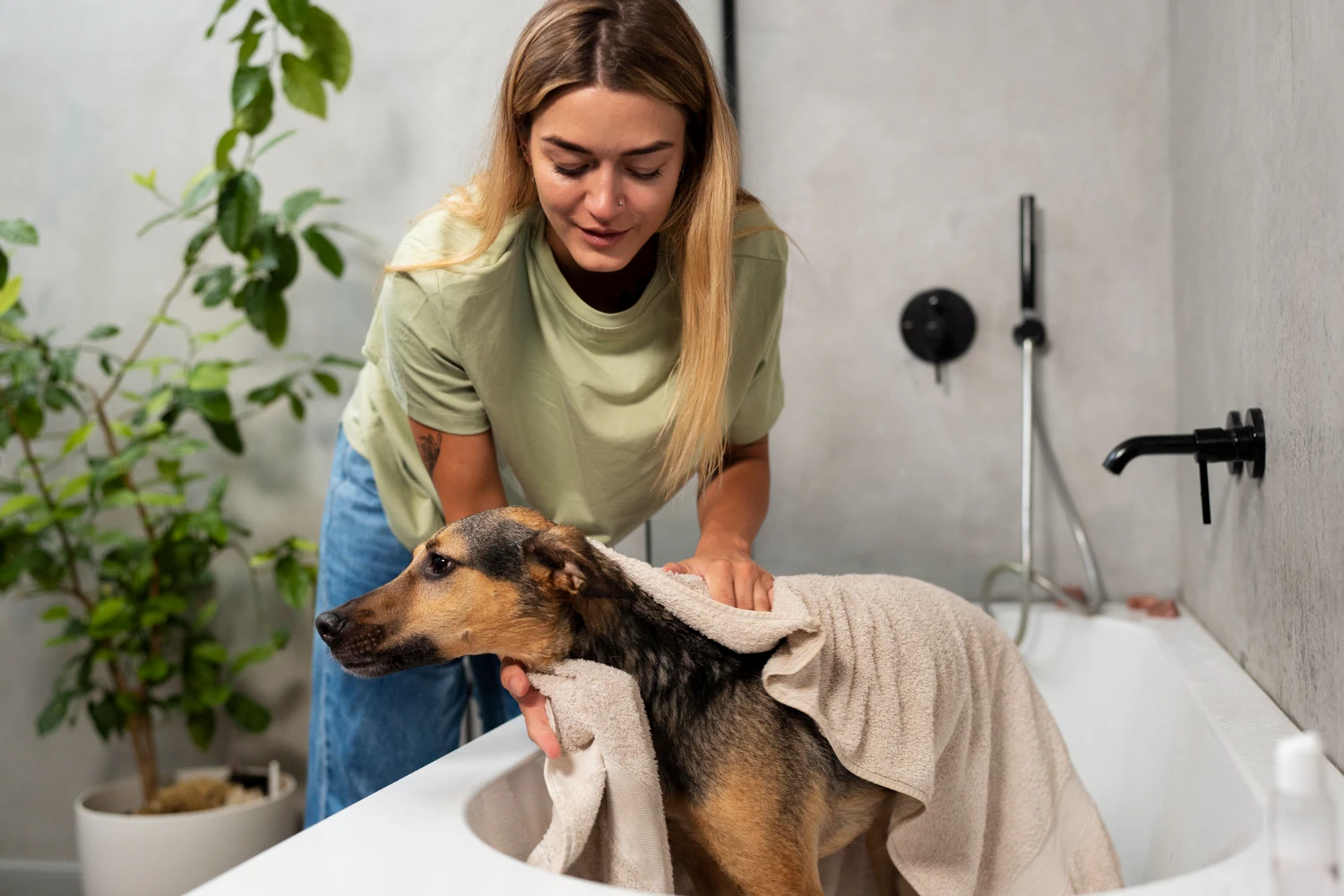
Pet grooming involves much more than giving your dog or cat a bath, brushing its fur or drying it with a towel. A healthy grooming routine also includes checking the skin, observing changes in behaviour, preventing moisture from getting trapped in sensitive areas and ensuring that your pet receives appropriate nutrition.
Although a clean, shiny coat is often considered a sign of good grooming, appearances alone do not tell the whole story. Persistent scratching, unusual hair loss, redness, skin irritation or a newly discovered lump may indicate an underlying problem that needs veterinary attention.
According to Dr Dhananjay Pandit, president of research and development at Freossi, the Pet Care division of Fredun Pharmaceuticals Ltd, grooming should be viewed as an opportunity to monitor a pet’s overall skin and coat health rather than simply a way to keep it clean.
“When we talk about skin and coat health, we shouldn’t think only about what we apply topically on our pets. We also need to think about what’s happening nutritionally,” he said.
He emphasised that grooming can also help with early detection, as a careful examination may reveal a parasite, lump or irritation before it develops into a more serious concern.
For pet parents, this means making grooming a regular health check rather than an occasional bath. Here are eight essential tips to help maintain your pet’s skin and coat health.
1. Know What Healthy Skin and Coat Look Like
The first step towards effective pet grooming is understanding what is normal for your animal. When you regularly examine your pet’s skin and coat, you are more likely to notice changes that might otherwise go unnoticed.
Healthy skin should generally be intact, without unexplained redness, scaling, crusting, wounds or unusual odour. The coat should be reasonably clean and smooth for the animal’s breed, with no unexpected greasiness, excessive dandruff or unusual hair loss.
However, it is important to remember that skin colour and pigmentation naturally vary among breeds and individual animals. A colour difference is not necessarily a sign of disease, particularly if it has always been present.
During grooming, gently part the fur and inspect the skin underneath, especially in areas where a thick coat may hide irritation. Look for changes in texture, small wounds, swelling, scabs or signs of parasites.
Pay particular attention to areas that are difficult to see during everyday interactions, such as the belly, armpits, groin, paws and spaces between the toes. Check behind the ears and around the tail as well.
If you discover a new lump, persistent redness, an open wound or an unexplained change in the skin, consult a veterinarian instead of attempting to diagnose the problem yourself.
Regular observation makes it easier to recognise what is normal for your pet. It also helps you communicate changes accurately when seeking professional advice.
2. Pay Attention to Your Pet’s Behaviour
A pet’s behaviour can reveal skin discomfort even when its coat appears clean and glossy. Excessive licking, chewing, scratching or rubbing against furniture may indicate that something is irritating the skin.
For example, a dog that repeatedly chews its paws may be experiencing irritation, allergies or another problem. A cat that persistently scratches around its ears may need an examination for parasites, inflammation or infection.
Occasional scratching or grooming is normal. The concern arises when the behaviour becomes frequent, intense or disruptive, particularly when it is accompanied by redness, hair loss, scabs or wounds.
Observe whether your pet seems uncomfortable during brushing or reacts when you touch a particular area. Pulling away, repeatedly turning towards one spot or resisting gentle handling may suggest sensitivity or pain.
Do not assume that a pet is simply being fussy or that scratching will disappear after a bath. If the behaviour continues, a veterinarian can help identify the cause and recommend suitable treatment.
It is also useful to note when the problem started, which areas are affected and whether the symptoms are getting worse. These details can help the veterinarian assess possible causes.
3. Avoid Bathing Your Pet Too Frequently
Bathing is an important part of pet hygiene, but more frequent washing does not automatically mean better skin health. Excessive bathing, particularly with unsuitable products, can strip away protective oils and leave the skin dry or irritated.
How often a pet needs a bath depends on several factors, including its species, breed, coat type, lifestyle, skin condition and tendency to get dirty. A pet that spends considerable time outdoors may have different grooming needs from one that primarily stays indoors.
Instead of following a rigid bathing schedule, consider your pet’s individual needs and seek veterinary guidance if you are unsure how frequently to wash it.
It is also important to distinguish routine bathing from therapeutic bathing. Pets with certain allergies, bacterial infections or yeast-related skin conditions may need medicated baths more frequently than healthy animals.
In some cases, a veterinarian may recommend weekly therapeutic bathing or another specific schedule as part of treatment. Such instructions should be followed according to the animal’s diagnosis and the prescribed product, rather than applied to every pet.
Using a medicated shampoo without guidance may not address the actual cause of a skin problem and could delay appropriate treatment.
The goal is to keep your pet clean without unnecessarily irritating its skin. A suitable bathing routine should support skin health rather than simply focus on how often the animal is washed.
4. Never Assume Human Skincare Products Are Safe for Pets
Human shampoos, conditioners, moisturisers and other skincare products may seem convenient, especially when a pet needs a quick wash. However, products formulated for people are not automatically suitable for animals.
Human and animal skin differ in several ways, including their physiological characteristics and grooming requirements. Products designed for human use may irritate a pet’s skin or interfere with its protective barrier.
Fragrances and other ingredients may also be unsuitable for a particular animal. In addition, pets frequently lick their fur, meaning that substances applied to their skin may be swallowed during normal grooming.
For these reasons, use products specifically formulated for your pet’s species and intended purpose. A product suitable for a dog should not automatically be assumed safe for a cat, and products intended for treating a particular condition should be used only as directed.
Be especially careful with medicated products, essential oils and concentrated grooming ingredients. Some substances that are safe in one formulation or for one species may be harmful in another context.
If your pet develops redness, itching or other symptoms after a grooming product is used, stop using it and seek veterinary advice. If you suspect that your pet has swallowed a potentially harmful substance, contact a veterinarian promptly.
Choosing an appropriate product is an essential part of grooming. The aim should be to clean the coat while protecting the skin, not to reproduce a human skincare routine on an animal.
5. Dry Your Pet Thoroughly After Bathing
Bathing does not end when the shampoo has been rinsed away. Drying is equally important, particularly for pets with thick coats, skin folds or areas where water can become trapped.
Moisture that remains against the skin can contribute to conditions that favour yeast and bacterial overgrowth. Dampness may be especially troublesome in areas with limited airflow, where the fur takes longer to dry.
After bathing, gently remove excess water with a clean towel. Pay particular attention to the paws, spaces between the toes, ears and skin folds, as well as areas beneath a dense coat.
If a dryer is necessary, choose equipment designed for pet grooming and use it carefully. Keep the temperature comfortable, avoid directing hot air at one spot for too long and monitor your pet for signs of distress.
Some animals become frightened by the sound or sensation of a dryer. In such cases, gradual introduction and gentle towel-drying may be more appropriate. If your pet has a skin condition, ask your veterinarian about the safest drying method.
Do not insert cotton buds or other objects deep into your pet’s ear canals while drying. The visible outer ear can be gently dried when necessary, but persistent moisture, redness, discharge or an unpleasant smell should be assessed by a veterinarian.
Drying is particularly important for animals with dense fur and those living in warm, humid environments. A coat that looks dry on the surface may still retain moisture closer to the skin.
6. Take Persistent Itching Seriously
Itching is one of the most noticeable signs that a pet may be experiencing a skin problem. While occasional scratching is normal, repeated or intense itching should not be dismissed as a minor inconvenience.
Several issues can cause persistent itching, including external parasites, allergies, skin infections and irritation. Different conditions may produce similar symptoms, making it difficult to identify the cause based on appearance alone.
For example, scratching may be associated with fleas or other parasites, while allergies can lead to recurrent irritation. Bacterial or yeast-related problems may also cause discomfort, particularly when the skin remains inflamed or moist.
Repeated scratching and chewing can damage the skin, creating wounds that may become infected. The resulting discomfort can lead to even more scratching, making the original problem harder to manage.
Watch for other signs, including hair loss, scabs, redness, swelling, discharge or changes in the skin’s smell. If your pet continues scratching despite routine grooming, arrange a veterinary assessment.
A veterinarian can examine the affected areas and determine whether parasite control, allergy management, medication or another treatment is needed.
Avoid repeatedly bathing an itchy pet or switching between multiple shampoos in an attempt to solve the problem. Cleaning may remove surface dirt, but it will not necessarily treat an underlying condition.
Early attention is important because persistent discomfort can affect your pet’s sleep, activity and general well-being.
7. Take Extra Care During Humid Weather
Warm, humid weather can make skin and coat care more challenging. Moisture may remain trapped in dense fur, skin folds and spaces between the toes, creating conditions that encourage yeast and bacterial overgrowth.
Pets that frequently play outdoors, get wet during walks or spend time in damp areas may need additional attention to drying and regular skin checks.
After a walk in the rain or an outdoor activity, gently dry your pet rather than allowing moisture to remain trapped in its coat. Check the paws and areas where fur is thickest, especially if the animal has been exposed to mud or standing water.
Long-haired pets may require more careful brushing to prevent tangles and help you examine the skin. However, brushing should be gentle, as forceful handling can pull on the skin and cause discomfort.
Humid weather does not automatically mean that your pet needs more frequent baths. As with any grooming decision, bathing frequency should depend on the animal’s needs and any advice from its veterinarian.
For pets prone to skin infections or allergies, ask a veterinarian whether the season requires any changes to their care routine.
The main priority is to manage moisture, maintain a clean coat and watch for changes in the skin. If irritation, odour or itching persists, professional assessment is more useful than repeatedly increasing the frequency of bathing.
8. Remember That Nutrition Also Affects Skin and Coat Health
Healthy skin and a well-maintained coat depend on more than topical products. Nutrition plays an important role in supporting normal skin function and maintaining the condition of the fur.
A balanced, species-appropriate diet provides the nutrients pets need for everyday bodily functions, including the maintenance and renewal of skin and hair. Nutritional deficiencies or an unsuitable diet may contribute to problems with coat quality and overall health.
Fatty acids, including omega-3 and omega-6, are among the nutrients associated with skin and coat health. However, their appropriate amounts and sources depend on the animal’s diet, age, health and individual requirements.
A shiny coat alone does not prove that a pet is receiving ideal nutrition, just as a dull coat does not automatically indicate a dietary deficiency. Parasites, allergies, infections, grooming practices and other health conditions can also affect the skin and fur.
Start by providing a nutritionally complete diet appropriate for your pet. If you are considering supplements, consult a veterinarian before introducing them, particularly if your pet has an existing medical condition or is already eating a specialised diet.
Adding extra fatty acids or other supplements without understanding your pet’s needs is not necessarily beneficial. The correct approach is to assess the animal’s overall diet and health rather than relying on a single ingredient to solve every coat problem.
Nutrition and grooming work together. Regular skin checks can help identify visible changes, while appropriate nutrition supports the body’s ability to maintain healthy skin and fur.
Why Pet Grooming Should Be Treated as an Early-Warning System
One of the most important aspects of grooming is its potential to help pet parents recognise health concerns before they become more serious. A careful grooming session provides an opportunity to look beyond the coat and notice changes that might otherwise remain hidden.
Dr Pandit cautioned, “Most pets don’t need a ten-step regimen. But ‘does he smell okay?’ is a pretty low bar for something that’s supposed to work as an early-warning system.”
His observation highlights the difference between keeping a pet clean and monitoring its skin health. A pleasant smell may suggest that an animal has been bathed recently, but it cannot establish whether the skin is healthy.
During routine brushing or bathing, pet parents can look for new lumps, irritated areas, wounds, parasites, unexplained hair loss and signs of discomfort. They can also observe whether the animal reacts differently to touch or repeatedly focuses on one part of its body.
These checks do not replace veterinary examinations. Rather, they can help owners recognise changes and seek professional advice when needed.
A new lump, persistent itching, an open wound or a sudden change in coat condition should not automatically be attributed to dirt or poor grooming. A veterinarian can determine whether further examination or treatment is necessary.
It is also useful to make grooming a calm and predictable experience. Introduce brushing and handling gradually, reward cooperation and avoid forcing an animal to tolerate procedures that cause significant distress. If grooming becomes painful or unusually difficult, investigate the cause rather than treating the behaviour as disobedience.
How to Build a Simple and Effective Pet Grooming Routine
Maintaining your pet’s skin and coat health does not require an elaborate collection of products. A consistent routine that matches the animal’s needs is often more useful than a complicated regimen.
- Check the coat regularly: Look for tangles, unusual hair loss, dirt, parasites and changes in the fur.
- Inspect the skin: Notice new lumps, redness, scaling, wounds or other unexpected changes.
- Observe behaviour: Watch for persistent scratching, licking, chewing or sensitivity to touch.
- Choose suitable products: Use grooming products formulated for the relevant species and purpose.
- Follow an appropriate bathing schedule: Avoid unnecessary washing, and follow veterinary instructions for therapeutic bathing.
- Dry carefully: Pay attention to paws, skin folds and areas where moisture may remain trapped.
- Provide balanced nutrition: Feed an appropriate diet and seek advice before adding supplements.
- Consult a veterinarian when needed: Persistent itching, unexplained lumps, wounds and other concerning changes deserve professional attention.
The ideal frequency of brushing, bathing and other grooming activities varies according to the pet’s species, breed, coat type, lifestyle and health. A veterinarian or qualified groomer can help you establish a routine that meets those needs.
The Bottom Line
Pet grooming goes far beyond bath time. Healthy skin and a good-quality coat depend on regular observation, appropriate bathing, pet-safe products, thorough drying, balanced nutrition and attention to changes in behaviour.
As Dr Dhananjay Pandit emphasises, grooming should not be limited to what is applied to the skin. It should also account for nutrition and the opportunity to identify potential health concerns early.
Pet parents do not need a complicated, multi-step skincare routine to care for their animals. What matters is understanding what is normal for each pet, recognising when something changes and seeking veterinary advice when symptoms persist or appear concerning.
A clean coat is important, but a healthy pet needs more than a bath. By making skin checks and gentle grooming part of everyday care, you can help your companion stay comfortable while improving your chances of spotting problems early.
Note to readers: This article is for informational purposes only and is not a substitute for professional veterinary advice. Consult a qualified veterinarian about persistent itching, skin irritation, unusual lumps, suspected infections or changes in your pet’s health.
For breaking news and live news updates, like us on Facebook or follow us on Twitter and Instagram. Read more on Latest Lifestyle on thefoxdaily.com.






COMMENTS 0