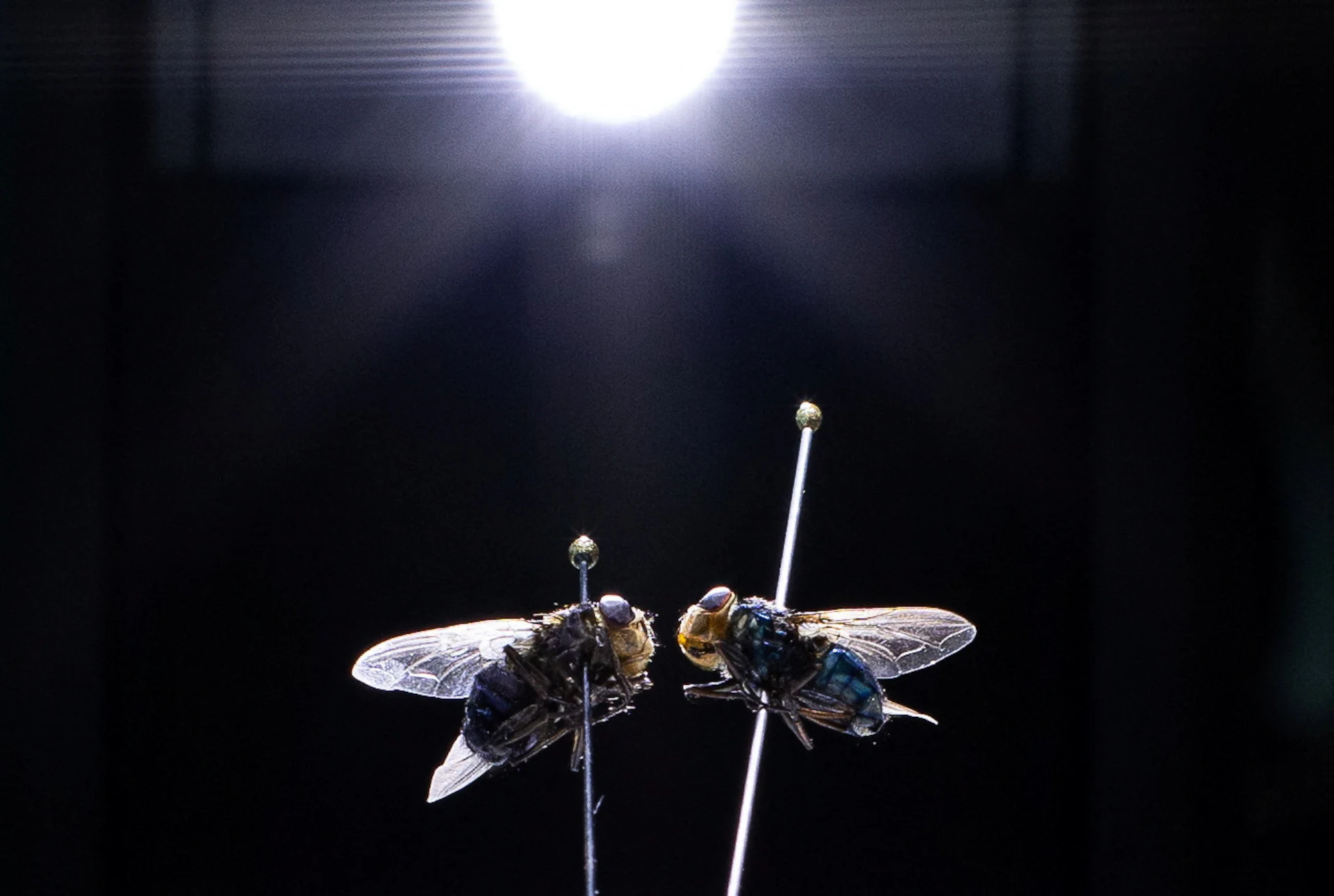
The United States has confirmed new cases of New World screwworm in wildlife in Texas and a beef cow in New Mexico, raising concerns about the spread of a flesh-eating parasite that can threaten livestock and other warm-blooded animals. The US Department of Agriculture (USDA) announced on October 21 that the parasite had been detected in an elk in Pecos County, Texas, marking the first confirmed detection in US wildlife. Separately, New Mexico authorities confirmed a case in a beef cow in Otero County.
The discoveries have prompted state and federal officials to expand surveillance, monitor affected areas and strengthen measures designed to prevent the parasite from spreading to additional animals. Authorities have also established an infested zone in New Mexico, where livestock movements are subject to inspection and treatment requirements when necessary.
The cases present a fresh challenge for US animal health officials as they work to contain a pest that had been eradicated from the country decades ago. The screwworm’s northward movement through Central America and Mexico has already disrupted cross-border cattle trade, tightened US livestock supplies and contributed to concerns about rising beef prices.
New World Screwworm Detected in Texas Elk
The USDA said the first confirmed detection of New World screwworm in US wildlife involved an elk found on a game ranch in Pecos County, Texas. The animal was reported after a hunter harvested it, prompting further attention from animal health authorities.
The discovery is significant because it confirms the presence of the parasite in a wild animal in the United States. Wildlife can complicate efforts to control animal pests because affected animals may move across large areas, making surveillance and containment more difficult.
Following the confirmation, the Texas Animal Health Commission will modify a previously established infested zone. The USDA and the Texas Parks and Wildlife Department are also conducting additional wildlife surveillance in the surrounding area.
These measures are intended to help officials determine whether other animals have been exposed and assess the extent of the parasite’s presence. Monitoring wildlife is particularly important because cases outside commercial livestock operations may be harder to identify through routine farm inspections.
The USDA has not indicated in the supplied announcement how many additional animals, if any, may be affected. Expanded surveillance will help authorities gather more information about the situation and determine whether further control measures are necessary.
New Mexico Confirms Screwworm Case in Beef Cow
New Mexico’s Department of Agriculture separately confirmed a New World screwworm case in a beef cow in Otero County. State and federal animal health officials are expanding surveillance around affected locations to identify possible additional cases and establish whether the parasite has spread beyond the animals already confirmed to be infected.
Authorities are also increasing fly-trapping activities. These efforts can help officials monitor the presence of the flies responsible for spreading the parasite and gather information needed to guide containment measures.
The New Mexico Department of Agriculture said officials had established a minimum 12.4-mile, or 20-kilometre, radius infested zone around the affected animal’s location.
Within this zone, animals must be inspected and treated if necessary before being moved within or outside the designated area, according to state authorities. These requirements are intended to reduce the risk of moving infested animals into unaffected locations.
Livestock movement controls are an important part of responding to animal health threats because the transportation of infected animals can potentially introduce a pest to new areas. Inspections and appropriate treatment can help officials identify suspected infestations before animals are relocated.
The expanded surveillance in New Mexico will also help determine whether the confirmed beef cow represents an isolated case or part of a wider problem. Officials have not established the full extent of the parasite’s presence based on the information provided.
What Is New World Screwworm?
New World screwworm is a parasitic fly whose larvae can infest the wounds of living warm-blooded animals. Unlike many maggots that primarily feed on dead tissue, screwworm larvae consume living tissue, potentially causing serious injuries and health complications.
Animals can become infested when female flies lay eggs in wounds or other suitable areas. After the eggs hatch, the larvae feed on living tissue, and an untreated infestation can become increasingly severe.
Livestock such as cattle are particularly important to monitor because infestations can affect animal welfare, increase veterinary costs and potentially cause production losses. Wildlife can also be affected, creating additional challenges for surveillance and control.
Early detection is essential because an infestation may become more difficult to manage if it goes unnoticed. Animal health officials can use inspections, surveillance and appropriate treatment to identify affected animals and reduce the risk of further spread.
The parasite’s presence can also have consequences beyond individual animals. If it spreads across livestock-producing regions, authorities may need to impose movement restrictions, increase monitoring and introduce additional biosecurity measures to protect farms and commercial herds.
Why the Texas and New Mexico Cases Matter
The two confirmed cases involve different animal populations: an elk in Texas wildlife and a beef cow in New Mexico. Together, they highlight the importance of monitoring both wild animals and livestock when responding to a potentially spreading animal pest.
Wildlife surveillance can provide information about the parasite’s presence beyond conventional agricultural settings. Meanwhile, monitoring cattle is important for protecting livestock operations and preventing infected animals from moving through commercial supply chains.
The cases do not, by themselves, establish how widely the parasite has spread across either state. However, they give authorities a reason to investigate surrounding areas and strengthen measures intended to detect additional infestations as early as possible.
Officials will need to assess surveillance findings, inspect potentially exposed animals and determine whether the existing infested zones require further adjustment. The effectiveness of these efforts will depend partly on how quickly additional cases can be identified and how well movement controls are implemented.
For livestock producers, the developments underscore the importance of animal inspections and compliance with official requirements. Hunters, ranch operators and other people who encounter wildlife may also play a role in reporting animals that show signs of possible infestation to the appropriate authorities.
USDA Surveillance and Livestock Movement Restrictions
The USDA is working with state agencies to investigate the Texas detection, while New Mexico authorities are coordinating surveillance and fly-trapping around the affected location in Otero County.
In Texas, the planned modification of the previously established infested zone will allow officials to adjust the affected area in response to the new finding. Additional wildlife surveillance by the USDA and Texas Parks and Wildlife Department is expected to help establish whether further action is needed.
In New Mexico, the minimum 20-kilometre infested zone provides a defined area in which authorities can apply additional precautions. The inspection and treatment requirements for animal movements are intended to reduce the chance that the parasite will be transported beyond the affected location.
Such controls can create additional responsibilities for livestock owners and operators, who may need to arrange inspections or treatment before moving animals. Nevertheless, movement restrictions are a key tool in preventing animal pests from spreading through livestock transportation networks.
The ongoing surveillance will be important in determining whether the current measures are sufficient or whether officials need to expand monitoring and containment efforts.
How the Screwworm Threat Has Disrupted US-Mexico Cattle Trade
New World screwworm was eradicated from the United States decades ago, but the parasite has been moving north from Central America through Mexico. Its resurgence has prompted US authorities to take steps to protect domestic livestock populations and limit the risk of reintroduction.
The United States halted livestock imports from Mexico last year as part of efforts to prevent the pest from entering the country. Trade later resumed in August at an Arizona port under a phased reopening plan.
The reopening was part of a controlled approach to restoring cattle movements while addressing animal health concerns. However, the latest detections in Texas and New Mexico could increase the importance of continued monitoring and coordination among US and Mexican authorities.
Cross-border cattle trade is economically significant for the livestock industry. Restrictions can affect the availability of animals for US feedlots and meat producers, while producers and traders may need to adjust supply arrangements when normal shipments are interrupted.
Measures to contain screwworm must therefore balance the need to protect animal health with the economic consequences of limiting livestock movements. Authorities face the challenge of identifying and managing potential infestations while allowing trade to operate when conditions permit.
Impact on US Cattle Supplies and Beef Prices
The previous suspension of livestock imports from Mexico tightened US cattle supplies and contributed to beef prices reaching record highs for American consumers, according to the supplied report.
Import restrictions can affect the domestic market by reducing the number of cattle available to support meat production. When supply becomes more constrained, processors and other businesses may face increased costs, which can eventually influence the prices consumers pay for beef.
Beef prices are shaped by several factors, including cattle availability, production costs, consumer demand and conditions across the wider meat supply chain. The screwworm-related restrictions have added another pressure to a market already sensitive to changes in livestock supply.
The economic consequences of the latest cases will depend on how the situation develops and whether authorities need to introduce further restrictions. The confirmed detections do not automatically mean that all cattle movements will be suspended, but they could lead to additional monitoring and targeted controls where necessary.
For ranchers and beef producers, preventing the parasite from spreading is essential to protecting animal health and reducing the risk of more extensive disruptions. For consumers, the broader concern is whether continued pressure on cattle supplies will contribute to persistently high beef prices.
What Happens Next?
US animal health officials are continuing to investigate the confirmed cases and expand surveillance around the affected locations. In Texas, the focus includes monitoring wildlife in and around Pecos County, while New Mexico authorities are using surveillance, fly-trapping and an infested zone to assess the situation in Otero County.
The next stage will involve determining whether additional animals are affected and whether the parasite has spread beyond the locations already identified. These findings will help officials decide whether existing controls need to be strengthened or expanded.
Livestock owners and operators in affected areas will need to follow applicable inspection and treatment requirements before moving animals. Continued coordination between state and federal agencies will also be important for monitoring wildlife, protecting livestock and limiting the risk of further spread.
The latest detections highlight the difficulty of managing a parasite that can affect both domestic animals and wildlife. They also demonstrate how animal health threats can have consequences for agricultural trade, livestock supplies and food prices.
For now, the priority for US authorities is to establish the extent of the infestations and prevent additional cases. The results of expanded surveillance will be central to determining whether the Texas and New Mexico detections can be contained or whether a broader response will be necessary.
For breaking news and live news updates, like us on Facebook or follow us on Twitter and Instagram. Read more on Latest Business on thefoxdaily.com.






COMMENTS 0