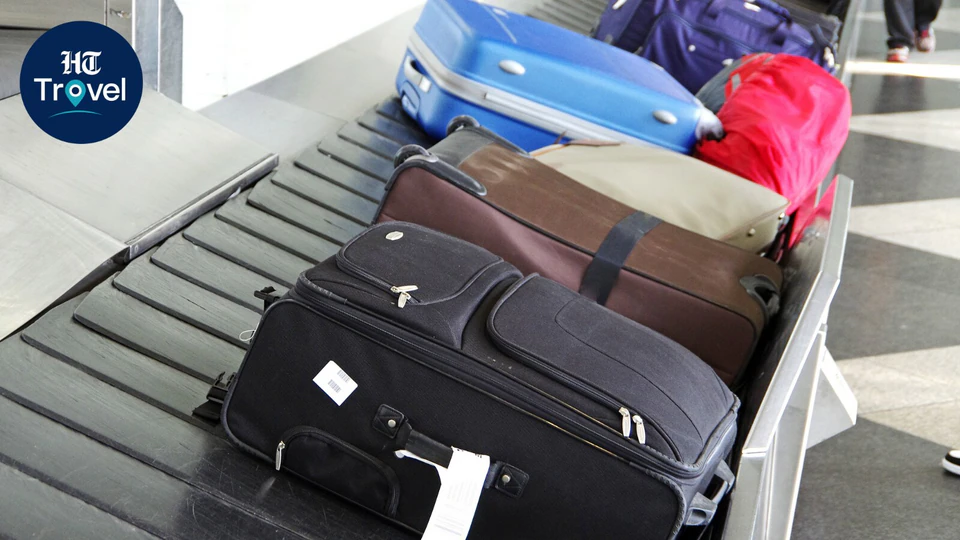
Hard shell vs soft shell luggage: Choosing a suitcase might seem like a straightforward shopping decision, but the right design can make a noticeable difference to your travel experience. From navigating crowded airports and lifting bags into car boots to packing for shopping trips and managing limited hotel space, luggage construction affects convenience in several ways.
After travelling with more than 25 different suitcase brands, I have repeatedly returned to one question: is a hard-shell suitcase genuinely more practical than a soft-shell one? My experience with both styles has shown that neither is the perfect choice for every journey.
Hard-shell luggage appeals to me because of its rigid exterior, structured compartments and ability to protect belongings against external pressure. Soft-shell luggage, meanwhile, offers flexibility, convenient pockets and easier access to certain items. Each design solves a different set of travel problems.
If I had to choose just one suitcase for regular flights and general travel, I would buy an expandable hard-shell suitcase. The combination of structure, protection and additional packing space makes it a practical all-rounder. However, there are situations in which I would happily choose a soft-shell case instead.
Here is how the two suitcase types compare, what I have learnt from travelling with both and which features are worth considering before you buy your next bag.
Hard Shell vs Soft Shell Luggage: What Actually Changes When You Travel?
The most obvious difference is the exterior. Hard-shell suitcases use a rigid outer casing, while soft-shell models generally feature fabric construction. But this distinction affects much more than appearance.
A hard-shell suitcase typically opens into two halves, creating separate packing sections. Depending on the design, it may include dividers, compression straps and zipped compartments that help keep belongings organised.
A soft-shell suitcase often has one main packing compartment accessed through a top opening. Some models also include exterior pockets that allow travellers to reach documents, accessories and other small essentials without opening the entire bag.
These differences become more noticeable once you start travelling regularly.
- Hard-shell luggage: Best suited to travellers who prefer a structured case, divided packing sections and a rigid barrier around their belongings.
- Soft-shell luggage: Useful for travellers who value flexible packing, exterior storage and convenient access to items during a journey.
- Expandable suitcases: Available in both constructions, these models provide additional capacity through an expansion section, usually opened using a separate zip.
- Spinner wheels: Found on many hard-shell and soft-shell suitcases, they can make manoeuvring luggage through airports and hotel corridors easier.
The best option depends on your priorities. Someone who regularly checks in fragile belongings may value a rigid exterior, while a traveller who frequently uses trains or stays in compact hotel rooms may appreciate the flexibility of a soft case.
Why I Prefer Hard-Shell Luggage for Check-In
One of the biggest reasons I prefer hard-shell luggage is the confidence that comes with a rigid exterior. Once a checked suitcase disappears behind the airline counter, I cannot control how it is handled or positioned alongside other bags.
A rigid shell helps resist external pressure and can reduce the risk of belongings being compressed. This is particularly useful when packing items that could be damaged if heavier luggage presses directly against them.
However, there is an important distinction between resisting pressure and protecting fragile contents. A hard shell does not make a suitcase impact-proof, nor does it guarantee that delicate items will survive rough handling. Fragile belongings still need appropriate padding and careful placement inside the case.
I also appreciate the structured interior. Separating clothes, shoes and accessories into different sections makes packing more organised, especially when I need to locate something quickly after arriving at my destination.
There is, however, one disadvantage that becomes obvious after repeated use: scratches and scuff marks. A suitcase that looks pristine before a trip may return with visible marks, particularly if it has been checked in frequently.
The exterior finish also matters. Different materials and surface treatments respond differently to scratches, so two hard-shell suitcases may show wear at different rates.
Another limitation is that rigid luggage offers very little flexibility when it is full. If I have packed everything tightly and later need to fit in an additional item, there is no guarantee that the case will close comfortably.
That is why I prefer expandable hard-shell luggage. The extra section gives me more flexibility when I return with additional clothes, souvenirs or shopping purchases. It does not eliminate every packing limitation, but it makes rigid luggage considerably more adaptable.
Why Soft-Shell Luggage Is Better When I Overpack
Soft-shell luggage has its own strengths, particularly when I expect the contents of my suitcase to change during a trip.
Fabric construction can provide a little more flexibility than a rigid exterior. This can make it easier to accommodate certain awkwardly shaped belongings, although the amount of flexibility depends on the suitcase design and how tightly it is packed.
I also like the layout of many soft-shell suitcases. A single deep compartment can be convenient when packing bulky clothing or items that do not fit neatly into separate sections.
The feature I appreciate most, however, is the exterior pocket.
A front pocket provides a convenient place for items I may need to access during a journey, such as travel documents, small accessories or a folded itinerary. Instead of opening the entire suitcase, I can reach into the pocket and retrieve what I need.
This convenience can be especially useful when travelling between hotels, waiting at stations or organising belongings before checking in.
Nevertheless, external pockets should not automatically be treated as secure storage for valuables. Important documents, wallets and electronic devices should be kept in a suitably secure compartment and carried according to the travel situation.
Soft-shell luggage also has limitations. Its fabric exterior generally does not provide the same rigid barrier against compression as a hard-shell case. Depending on the material and construction, it may also be more vulnerable to abrasion, stains or moisture.
For this reason, I pay more attention to how I arrange items inside a soft case. I avoid placing delicate belongings directly against areas where they could be pressed by heavier objects.
Small Hotel Rooms Changed How I Think About Suitcase Design
This is one of the most practical differences between hard-shell and soft-shell luggage, and it becomes particularly noticeable during frequent travel.
Many hard-shell suitcases use a clamshell design, meaning the case opens into two halves. This layout makes organising belongings easier, but it also requires enough space to spread both sections apart.
In a spacious hotel room, that is rarely a problem. In a compact room, however, opening a large suitcase can occupy much of the available floor space or leave little room to move around.
A traditional top-opening soft-shell suitcase can be easier to manage in these situations. Depending on the design, it may be possible to access the main compartment while keeping most of the bag on a luggage rack or against a wall.
That does not mean every soft-shell suitcase is more convenient in a small room. Some models also open widely, and a large suitcase still needs enough space to be used comfortably. The opening mechanism and dimensions matter as much as the exterior material.
My preference also depends on how long I am staying. For a short trip, I often continue using my suitcase instead of unpacking everything into the wardrobe. In that situation, easy access matters more than having two clearly separated packing sections.
If you usually unpack your entire suitcase as soon as you reach a hotel, the difference may not be important. If you prefer living out of your luggage during short stays, the design deserves more attention.
Hard Shell vs Soft Shell Luggage for Airports, Trains and Road Trips
Different types of travel place different demands on luggage. A suitcase that works well in an airport may not be the most convenient option for a train journey or a road trip.
Air Travel
For regular flights, I tend to prefer hard-shell luggage. The rigid exterior provides a useful barrier against pressure, while the structured interior makes organising clothes and other belongings straightforward.
Four-wheel spinner designs can also make a suitcase easier to manoeuvre through airport terminals. However, wheel quality, handle stability, overall weight and suitcase dimensions are important regardless of the exterior construction.
If you plan to check in your luggage, verify the airline’s size and weight limits before travelling. An expandable suitcase can exceed permitted dimensions when the expansion section is open, so the additional capacity should be used carefully.
Train Journeys and Public Transport
Soft-shell luggage can be convenient when travelling by train or using public transport. Its slightly flexible exterior may make it easier to fit into some luggage spaces or position alongside other bags.
However, flexibility should not be confused with a guarantee that a suitcase will fit into a particular storage compartment. Dimensions, handles, wheels and the shape of the available space all matter.
For journeys involving frequent transfers, I would also consider the weight of the empty suitcase. A lighter bag can be easier to lift onto racks or carry up stairs, regardless of whether it has a hard or soft exterior.
Road Trips
For road trips, soft-shell luggage can be useful when packing several bags into a car boot. Depending on its construction, a soft case may offer a little flexibility when placed alongside other luggage.
Hard-shell suitcases can also work well for road travel, especially when protecting belongings is a priority. The best choice depends on the boot’s shape, the amount of luggage being carried and whether the case will need to fit into tight spaces.
For either type, avoid placing heavy objects on top of delicate belongings. A rigid suitcase can still transmit impact or pressure to its contents, while a fabric suitcase may offer less resistance to compression.
Which Is Better in Rain: Hard Shell or Soft Shell?
Weather resistance is another factor worth considering, particularly if you frequently travel during the monsoon or visit destinations where rain is common.
A hard-shell exterior does not absorb water in the same way that some fabrics can. This makes it convenient when a suitcase is briefly exposed to rain while being transferred between a vehicle, airport or hotel entrance.
However, a standard hard-shell suitcase is not necessarily waterproof. Water can enter through zips, seams, openings or other vulnerable areas, depending on the design and condition of the case.
Soft-shell luggage varies considerably in its resistance to moisture. Some models use water-resistant fabrics or coatings, while others may absorb water if left exposed for long enough.
For either construction, I would avoid leaving a suitcase in heavy rain and would use protective packing methods for belongings that must remain dry. Electronics, important documents and other moisture-sensitive items can be placed in suitable waterproof pouches or protective bags.
Ultimately, the quality of the materials, zips and construction matters more than the hard-shell or soft-shell label alone.
Hard Shell vs Soft Shell Luggage: A Side-by-Side Comparison
| Feature | Hard-Shell Luggage | Soft-Shell Luggage |
|---|---|---|
| Exterior construction | Rigid outer casing | Flexible fabric exterior |
| Protection against pressure | Generally offers a stronger rigid barrier | Usually provides less resistance to compression |
| Packing layout | Often opens into two separate halves | Often has one main compartment |
| Exterior pockets | Less common, depending on the design | Common on many models |
| Flexibility when packing | Limited, particularly when fully packed | May accommodate some awkwardly shaped items more easily |
| Expandable capacity | Available on selected models | Available on selected models |
| Scratches and abrasion | May develop visible scuffs or scratches | May develop fabric wear, stains or snags |
| Rain resistance | Exterior generally does not absorb water, but openings may allow moisture inside | Depends on fabric, coatings, seams and zips |
| Small hotel rooms | Clamshell designs may need more opening space | Some top-opening designs can be easier to access in tight spaces |
| Best suited to | Travellers who prioritise structure and a rigid exterior | Travellers who value flexibility and convenient exterior storage |
This comparison shows why neither suitcase type is universally superior. Construction, internal organisation, dimensions and material quality can all influence how well a particular model performs.
Expandable Hard-Shell Luggage: Why It Is My Preferred Choice
After travelling with both styles, expandable hard-shell luggage remains my first choice for most regular trips. It combines the advantages I value most while addressing one of the biggest limitations of rigid suitcases.
The hard exterior offers structure, while the clamshell layout allows me to separate clothes, shoes and smaller belongings. When I need additional packing space, the expansion section gives me more room without requiring me to switch to a soft-shell case.
This is particularly useful on return journeys. Even when I leave home with a carefully planned packing list, I may come back with additional purchases or items that were not part of the original plan.
However, an expansion zip does not create unlimited capacity. Opening it can increase the suitcase’s dimensions and make the bag heavier once packed. Travellers should also check whether the expanded size remains within airline baggage restrictions.
I would pay attention to a few other features before buying one:
- Empty weight: A heavy suitcase can reduce the amount of clothing and other belongings you can pack within an airline’s weight allowance.
- Wheel quality: Smooth-rolling wheels can make a significant difference when moving through airports, railway stations and hotel corridors.
- Handle stability: A sturdy, comfortable handle makes lifting and manoeuvring the suitcase easier.
- Internal organisation: Dividers, compression straps and zipped compartments can help prevent belongings from shifting during travel.
- Expansion design: Check how much additional space the expansion section provides and whether the suitcase remains manageable when fully packed.
- Material and finish: Consider durability, scratch visibility and ease of cleaning rather than judging the suitcase on appearance alone.
- Warranty and repairs: Check the manufacturer’s coverage for wheels, handles, zips and other components that may experience wear.
These details can have a greater effect on everyday convenience than the exterior material alone. A well-designed suitcase with reliable wheels and a practical interior may be more useful than a visually impressive model with poor construction.
When I Would Choose Soft-Shell Luggage Instead
Although expandable hard-shell luggage is my preferred all-rounder, I would not rule out a soft-shell suitcase. There are several situations in which its features could make it the more practical option.
Shopping-heavy holidays: If I expect to return with clothes, souvenirs or other purchases, a soft-shell case may provide useful flexibility. An expandable model can offer even more room, depending on its design.
Frequent access to essentials: Exterior pockets are convenient when I need to reach documents or small accessories without opening the main compartment. This can be particularly useful during journeys involving multiple transfers.
Compact accommodation: A top-opening soft-shell design may be easier to manage in a small hotel room, especially when I need to access belongings without spreading a large suitcase across the floor.
Road trips and flexible packing: Depending on the vehicle and luggage arrangement, a soft case may be easier to position alongside other bags. The exact dimensions and construction should still guide the decision.
These advantages are enough to keep soft-shell luggage in my travel collection. Choosing one over the other is less about declaring a winner and more about deciding which features will make a particular journey easier.
How to Choose the Right Suitcase for Your Travel Style
Before buying a new suitcase, I would consider how frequently I travel, how I usually transport my luggage and what I tend to pack. These questions can help narrow down the options more effectively than choosing based on colour or appearance alone.
- For frequent flyers: Consider a well-built hard-shell suitcase with reliable wheels, a manageable empty weight and an organised interior.
- For shopping holidays: Compare expandable hard-shell and soft-shell models, paying attention to usable capacity and airline size restrictions.
- For train travel: Prioritise manageable dimensions, comfortable handles and a weight you can lift safely.
- For short hotel stays: Consider how the suitcase opens and whether you can reach your belongings without needing substantial floor space.
- For rainy destinations: Check the manufacturer’s information about water resistance and protect moisture-sensitive items regardless of suitcase type.
- For budget-conscious buyers: Compare construction quality, warranty coverage and replacement-part availability rather than choosing only by the lowest price.
It is also worth checking the airline’s cabin baggage and checked baggage rules before purchasing a suitcase. A bag that appears compact in a shop may exceed permitted dimensions once its wheels and handles are included.
For cabin luggage in particular, always verify the current requirements of the airline you intend to use. Rules can differ between airlines, routes and ticket types.
My Packing Tip: Use Organisers With Either Suitcase Type
One lesson I have learnt from travelling with different luggage designs is that good packing habits can make almost any suitcase easier to use.
Packing organisers help separate clothes, accessories and other belongings into manageable groups. They can make it easier to locate items without turning the entire suitcase upside down, particularly when moving between hotels during a multi-stop trip.
They are also useful for separating clean clothes from laundry. Small pouches can keep charging cables, toiletries and other accessories together instead of allowing them to spread throughout the main compartment.
However, packing organisers do not automatically reduce the weight or volume of your belongings. Avoid filling every available space simply because the suitcase can accommodate more items. A bag that is too heavy can be difficult to lift and may exceed airline restrictions.
For fragile items, use suitable protective packaging and place them where they are less likely to be crushed or exposed to impact. Neither hard-shell nor soft-shell construction eliminates the need for careful packing.
Final Verdict: Hard Shell or Soft Shell Luggage?
After travelling with both suitcase types, I still prefer expandable hard-shell luggage for most regular trips. I value its rigid exterior, structured packing sections and the additional capacity available when I need to bring home more than I originally planned.
That said, soft-shell luggage remains a practical choice for travellers who want flexible packing, useful exterior pockets and convenient access to their belongings. It can be especially appealing for shopping trips, certain road journeys and stays in compact accommodation.
The right choice ultimately depends on the inconvenience you are most willing to accept. Hard-shell luggage can be less forgiving when overpacked and may show scratches, while soft-shell luggage generally offers less rigid protection against pressure and may need more care around moisture and abrasion.
My simple rule: Choose hard-shell luggage if you prioritise structure and a rigid exterior, and look for an expandable model if your packing needs change. Choose soft-shell luggage if flexibility, exterior pockets and easy access matter more to your travel routine.
Whichever style you select, pay attention to weight, wheels, handles, interior organisation, dimensions and warranty coverage. These practical details can make the difference between a suitcase that simply looks good and one that genuinely improves your travel experience.
For my own travel needs, an expandable hard-shell suitcase remains the one I would buy again. But I would keep a good soft-shell case in the collection, too, because the most useful luggage is ultimately the one that fits the journey.
For breaking news and live news updates, like us on Facebook or follow us on Twitter and Instagram. Read more on Latest Lifestyle on thefoxdaily.com.

COMMENTS 0