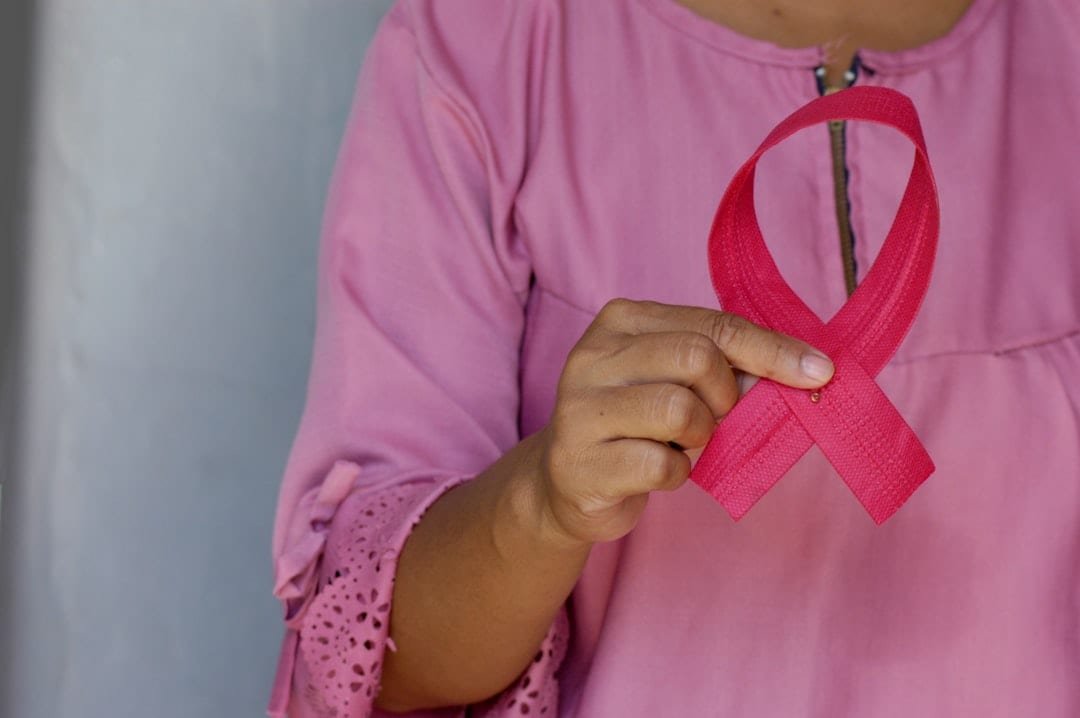
Oncologist Explains 6 Breast Changes You Should Never Ignore, From Uneven Appearance to Skin Changes
Breast changes can happen for several reasons, including hormonal fluctuations, pregnancy, ageing and benign conditions. However, a new or persistent change in breast size, shape, skin or nipple appearance should not be overlooked, as it may sometimes indicate an underlying health concern, including breast cancer.
Breast Cancer Awareness Month is observed throughout October, but awareness of breast health needs to continue all year. Knowing what is normal for your body and recognising changes early can help you seek medical advice when necessary.
Dr Surender Kumar Dabas, Chairman of Manipal Comprehensive Cancer Centre and Onco Robotic Surgeries, North-West Cluster, Manipal Hospitals, explains why women should pay attention to changes in their breasts and which warning signs warrant medical evaluation.
Highlighting the global burden of the disease, Dr Dabas cited World Health Organization estimates indicating that around 2.4 million women were diagnosed with breast cancer worldwide in 2024. The figure underlines the importance of breast health awareness and timely medical assessment when something feels or looks different.
Are Asymmetrical Breasts Normal?
Breasts naturally vary in size, shape and appearance. Slight asymmetry is common, and it is normal for one breast to be somewhat larger or shaped differently from the other.
According to Dr Dabas, these differences can develop during puberty, when the breasts may grow at different rates. Pregnancy, hormonal changes, previous injuries and breast surgery can also affect breast size and shape.
Non-cancerous conditions, including breast cysts, which are fluid-filled sacs, can also cause changes. Not every difference or lump indicates cancer, and many breast changes have benign explanations.
However, a new or noticeable difference in breast size or shape should be checked by a healthcare professional, particularly if it develops suddenly or continues to progress. A change that is unusual for you deserves attention, even if it does not cause pain.
6 Breast Changes You Should Never Ignore
Dr Dabas highlighted several warning signs that women should recognise. These changes do not automatically mean breast cancer, but they may require medical assessment to identify the cause.
1. A New Lump or Thickened Area
A newly discovered lump or an area of thickened tissue in the breast is one of the changes that warrants medical attention. A lump may be painless or tender, and its presence alone cannot determine whether it is cancerous.
Some breast lumps are caused by benign conditions, such as cysts or other non-cancerous tissue changes. Nevertheless, a new lump should be evaluated rather than dismissed because it does not hurt.
Pay attention to a lump that feels different from the surrounding tissue or from what you have previously noticed. A healthcare professional can examine the area and decide whether imaging or further testing is needed.
2. A Recent Change in Breast Size or Shape
Although slight differences between breasts are normal, a recent or progressive change in the size or shape of one breast should not be ignored.
You may notice that one breast appears larger, looks different from its usual shape or has developed a new area of swelling. These changes can occur for several reasons, including hormonal fluctuations and benign breast conditions, but they may also be associated with breast cancer.
The key factor is whether the change is new or unusual for you. If one breast begins to look noticeably different without an obvious explanation, arrange a medical assessment.
3. Skin Dimpling, Redness or an Orange-Peel Appearance
Changes in the skin covering the breast can sometimes signal an underlying problem. These include dimpling, unusual redness, puckering or skin that develops a texture resembling the surface of an orange.
Such changes should not be dismissed as a cosmetic concern, particularly when they persist or appear alongside swelling or changes in breast shape.
Breast skin changes can have non-cancerous causes, including inflammation and infection. However, certain breast cancers can also affect the skin’s appearance. A clinician can determine whether further evaluation is necessary.
Seek medical advice if you notice new dimpling, persistent redness or an unusual change in skin texture.
4. A Nipple That Suddenly Turns Inward
Some people naturally have inverted nipples, and this may be normal for them. The concern arises when a nipple that previously pointed outward suddenly begins to turn inward or changes its usual appearance.
A newly inverted nipple can sometimes be associated with changes in the tissue beneath the nipple. Although several conditions can cause this, it should be evaluated, particularly if the change affects only one breast or occurs alongside a lump or skin changes.
Do not assume that a sudden nipple change is harmless simply because there is no pain. A healthcare professional can assess the nipple and surrounding breast tissue to determine the likely cause.
5. Unusual or Bloody Nipple Discharge
Nipple discharge can occur for different reasons, including hormonal changes, certain medications and benign breast conditions. However, an unexplained discharge, especially if it contains blood, should be medically assessed.
Pay particular attention to discharge that appears spontaneously, comes from one nipple or occurs alongside a lump or other breast changes.
Not every instance of nipple discharge is a sign of cancer, but its appearance and circumstances can help a doctor decide whether further investigation is needed. Avoid attempting to diagnose the cause based on colour or appearance alone.
If you notice bloody or otherwise unusual discharge, arrange a medical appointment promptly.
6. Breast Changes That Persist or Continue to Progress
A breast change that does not settle or continues to become more noticeable deserves attention. This may include persistent swelling, changes in shape, skin abnormalities, nipple changes or an area of thickened tissue.
Some breast symptoms fluctuate with the menstrual cycle or hormonal changes. However, it is important not to assume that a persistent or unusual symptom is hormonal without medical advice.
Dr Dabas emphasised the importance of having changes assessed rather than waiting for pain to develop. Breast cancer does not always cause pain in its early stages, so the absence of discomfort does not rule out a serious condition.
If a change is new, unexplained or persistent, consult a healthcare professional instead of waiting for it to disappear.
How Are Breast Changes Diagnosed?
The appropriate evaluation depends on the symptoms, examination findings, age and medical history. Dr Dabas explained that a doctor will initially examine both breasts and the surrounding areas to look for abnormalities.
Depending on the findings, the doctor may recommend one or more investigations.
Clinical breast examination: The doctor checks the breasts and nearby areas for lumps, thickening, skin changes, nipple abnormalities or other unusual findings.
Mammogram: A mammogram is an X-ray examination of breast tissue. It may be recommended to investigate a concerning change or as part of age- and risk-appropriate screening.
Ultrasound: Breast ultrasound uses sound waves to examine breast tissue. It can help assess a lump and distinguish fluid-filled cysts from solid areas, although additional tests may sometimes be necessary.
Biopsy: If an examination or imaging test identifies a suspicious area, a biopsy may be recommended. During this procedure, a small tissue sample is collected and examined in a laboratory to determine whether cancer cells are present.
Not everyone with a breast change will need every test. The doctor will decide which investigations are appropriate based on the individual findings.
When Should You See a Doctor?
You should seek medical advice if you notice a new breast lump, a change in breast size or shape, skin dimpling, persistent redness, sudden nipple inversion or unusual nipple discharge.
Do not wait for a symptom to become painful before seeking help. A medical assessment can identify benign causes and help ensure that potentially serious conditions are investigated without unnecessary delay.
It is also useful to become familiar with how your breasts normally look and feel. This can make it easier to notice changes that are unusual for you. Breast awareness does not replace recommended screening, and no single self-check can rule out breast cancer.
People with a strong family history of breast cancer or other risk factors should discuss an appropriate screening plan with their healthcare professional.
Why Breast Cancer Awareness Matters Throughout the Year
Breast Cancer Awareness Month, observed every October, encourages people to learn about the disease, recognise warning signs and understand the importance of screening and timely diagnosis.
However, breast health should remain a priority throughout the year. Recognising changes, attending recommended screening appointments and consulting a doctor about unusual symptoms are important steps in looking after your health.
As Dr Dabas highlighted, breast asymmetry can be normal, but new or noticeable changes should not be ignored. Many symptoms have non-cancerous causes, yet a professional assessment is the most reliable way to determine what is happening.
The key message is simple: know what is normal for you, pay attention to new or persistent changes, and seek medical advice rather than waiting for pain to appear.
Medical disclaimer: This article is for informational purposes only and is not a substitute for professional medical advice, diagnosis or treatment. Consult a qualified healthcare professional about any breast changes or concerns.
For breaking news and live news updates, like us on Facebook or follow us on Twitter and Instagram. Read more on Latest Lifestyle on thefoxdaily.com.






COMMENTS 0