Vision Loss Warning Signs: Doctor Explains Symptoms You Should Never Ignore
Vision loss does not always begin with complete darkness or a sudden inability to see. In many cases, the early signs can be subtle, such as difficulty noticing objects to the side, blurred faces, distorted straight lines or trouble reading. Because these changes may resemble tired eyes or an outdated glasses prescription, people sometimes delay getting their eyes examined.
October is observed as Blindness Awareness Month, highlighting the causes of vision impairment and the importance of regular eye examinations. Recognising changes in vision early can help people seek appropriate treatment before certain conditions cause further damage.
Dr Vikas Jain, group chief operating officer at ASG Hospital Limited, explains how vision loss can appear in different ways, why some eye diseases progress without obvious symptoms and which warning signs require urgent medical attention.
Does Blindness Always Mean Complete Darkness?
Blindness is commonly associated with seeing nothing at all. However, vision impairment exists on a spectrum, and the experience varies depending on the condition affecting the eyes.
Some people lose peripheral vision, making it harder to notice objects outside their direct line of sight. Others experience reduced central vision, which can affect reading, recognising faces and seeing fine details. In certain eye diseases, vision may deteriorate gradually without noticeable symptoms in the early stages.
“Vision loss begins quietly and rarely looks the same from one person to the next,” Dr Jain explains. Some people notice changes in their side vision first, while others experience a decline in central clarity. In some cases, there may be no obvious symptoms until the condition has progressed.
This gradual development can make vision loss difficult to recognise. The brain may compensate for missing information, and people may adjust their behaviour without realising that their eyesight has changed.
For this reason, regular eye examinations remain important even when vision appears normal. Some eye conditions can cause lasting damage before a person notices a problem.
Different Types of Vision Loss and Their Symptoms
The symptoms of vision loss depend on which part of the eye is affected. Conditions involving the optic nerve, retina or macula can produce different changes in how a person sees the world.
1. Peripheral Vision Loss: A Possible Sign of Glaucoma
Peripheral vision allows people to notice objects outside the centre of their gaze. When this ability declines, everyday activities such as walking through a crowded space, navigating stairs or noticing objects approaching from the side may become more difficult.
Glaucoma is one condition that can cause progressive peripheral vision loss. It damages the optic nerve, often in association with elevated eye pressure, although it can also occur when eye pressure is within the normal range.
Dr Jain notes that the narrowing of peripheral vision can happen slowly. Because the brain may compensate for missing visual information, people might not recognise the change immediately.
They may begin bumping into doorframes, overlooking objects to the side or missing steps. Such incidents can be dismissed as carelessness or distraction rather than a possible sign of a vision problem.
Glaucoma may not produce noticeable symptoms in its early stages, which is why comprehensive eye examinations are particularly important for detecting it.
What to watch for: Repeatedly missing objects at the side, difficulty navigating familiar spaces or unexplained changes in peripheral vision should prompt an eye assessment. These symptoms do not confirm glaucoma, but they should not be ignored.
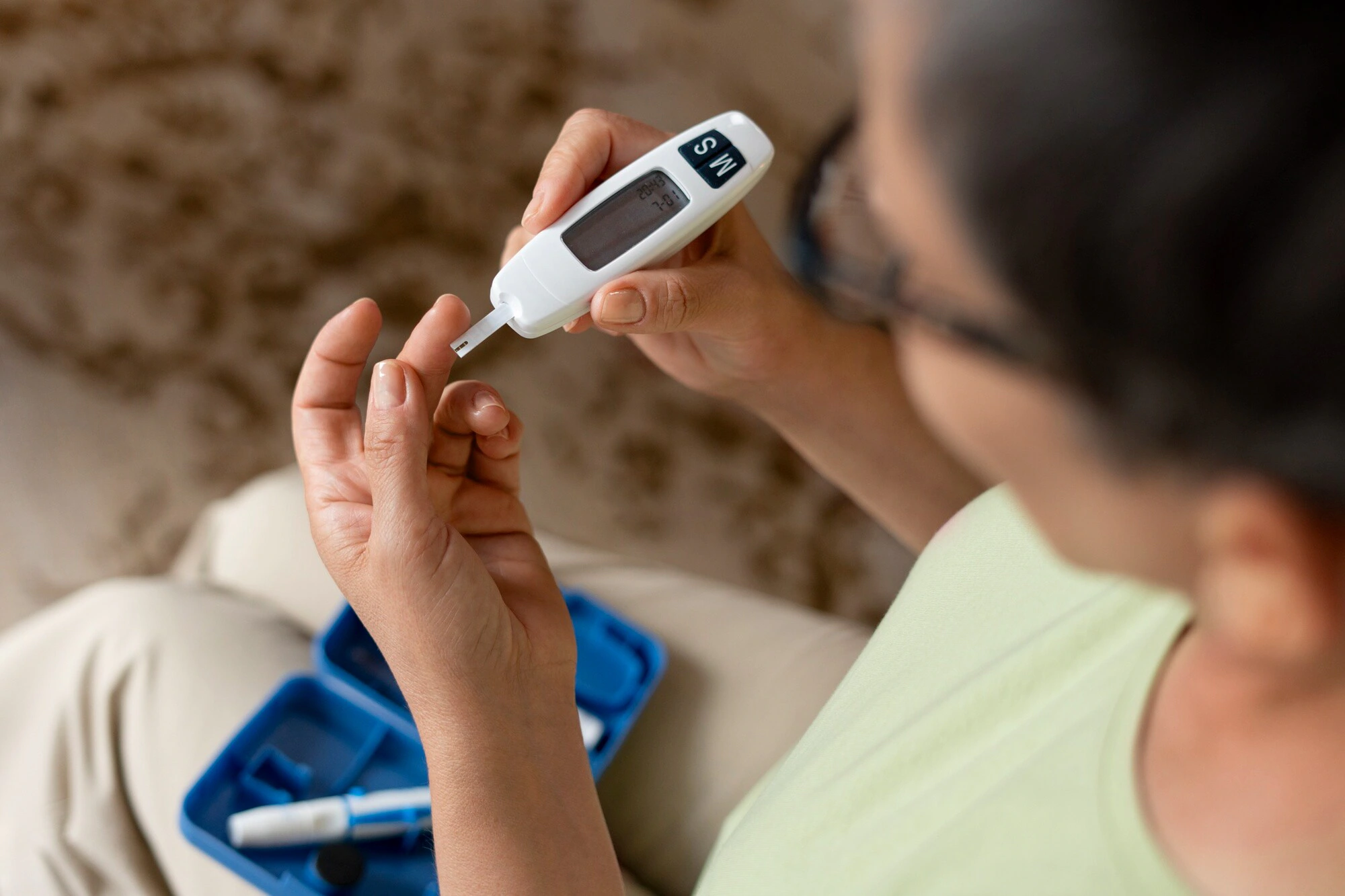
2. Diabetic Eye Disease: When Vision Appears Normal
Diabetes can damage the small blood vessels in the retina, the light-sensitive tissue at the back of the eye. This damage can lead to diabetic retinopathy and other diabetes-related eye complications.
One of the major concerns is that diabetic eye disease may develop without obvious changes in eyesight during its early stages. A person may continue reading, working and carrying out everyday activities while retinal damage progresses.
As the condition advances, symptoms can include blurred vision, dark spots, floaters or difficulty seeing clearly. In some cases, complications can threaten sight if they are not detected and treated promptly.
The absence of symptoms does not mean the retina is healthy. People living with diabetes should follow their eye-care professional’s recommendations for regular dilated retinal examinations, even when they believe their vision is normal.
Managing blood sugar, blood pressure and cholesterol can also help reduce the risk of diabetes-related complications. The appropriate screening schedule depends on an individual’s health and clinical advice.
3. Central Vision Changes: Wavy Lines and Blurred Faces
The macula is the central part of the retina responsible for detailed vision. It helps people recognise faces, read printed text, identify fine details and see objects directly in front of them.
When a condition affects the macula, central vision may become distorted or unclear. A person might notice that straight lines appear wavy, faces look blurred or words become harder to read.
Dr Jain explains that some people may also notice a dark or empty patch in the centre of their field of vision.
These symptoms can be associated with conditions affecting the macula, including age-related macular degeneration and other retinal disorders. The precise cause cannot be determined from symptoms alone, so an eye examination is essential.
Warning signs to notice include:
-
Straight lines, such as doorframes or lines on a page, appearing bent or wavy.
-
Faces looking blurred even when the person is nearby.
-
Reading becoming more difficult despite adequate lighting.
-
A dark, blank or missing area in the centre of vision.
Changes in central vision should be assessed promptly, particularly if they develop suddenly or worsen quickly.
Three Warning Signs of Vision Loss That Need Urgent Attention
Some visual symptoms require immediate medical assessment because they may indicate a serious problem affecting the retina.
Dr Jain highlights three warning signs that should never be brushed aside.
1. Sudden Flashes of Light
Brief flashes or streaks of light, especially when they appear unexpectedly, can occur when the vitreous gel inside the eye pulls on the retina.
Although flashes can have several causes, new or sudden flashes may signal a retinal tear. A retinal tear can allow fluid to pass beneath the retina, potentially leading to a retinal detachment.
Sudden flashes should therefore be assessed urgently, especially when accompanied by new floaters or a shadow in the field of vision.
2. A Sudden Shower of New Floaters
Floaters may appear as small dots, specks, threads or cobweb-like shapes drifting across the field of vision. Occasional floaters can be common, particularly as people get older.
However, a sudden increase in their number or the appearance of many new floaters may indicate bleeding, a retinal tear or another problem inside the eye.
Do not assume that a sudden shower of floaters is simply an age-related change. Seek urgent eye care, even if the floaters are not painful.
3. A Curtain-Like Shadow Across Vision
A dark shadow that appears to move across or cover part of the visual field is a particularly concerning symptom. It can resemble a curtain being drawn over the eye.
This may indicate retinal detachment, a condition in which the retina separates from the tissue supporting it. Without timely treatment, retinal detachment can cause permanent vision loss.
If you experience a curtain-like shadow, sudden flashes or a sudden shower of new floaters, seek emergency eye care immediately. Do not wait for the symptoms to disappear.
Sudden vision loss or any rapid change in eyesight also warrants immediate medical assessment. Prompt treatment can be crucial in protecting vision.
Why Early Detection Matters
Vision lost because of certain eye diseases can be difficult or impossible to restore. However, early diagnosis and appropriate treatment may help slow progression, manage the underlying condition or preserve remaining sight.
The options depend on the cause. Glaucoma treatment aims to protect the optic nerve from further damage, while treatment for diabetic eye disease may include injections, laser procedures or surgery, depending on the stage and complications.
Retinal tears and detachments may require urgent procedures to prevent further damage. Conditions affecting central vision also need timely assessment so that the appropriate treatment and monitoring can begin.
Not every visual change means that a person is developing a serious eye disease. Nevertheless, distinguishing a minor issue from a potentially sight-threatening condition requires a professional examination.
Regular eye checks are especially important for people with diabetes, those with a family history of certain eye diseases and individuals whose age or medical history increases their risk. An eye-care professional can recommend an appropriate examination schedule.
How to Check for Changes in Your Vision at Home
Dr Jain recommends occasionally checking each eye separately and paying attention to small changes rather than dismissing them.
A simple home check may help you notice differences, but it cannot diagnose an eye condition or replace a comprehensive examination.
Here are some practical steps:
1. Cover one eye at a time. Look at a familiar object or a page of text while keeping the other eye covered. Then repeat the check with the other eye. This may help reveal differences between the two eyes that are difficult to notice when both are open.
2. Check straight lines. Look at a doorframe, window frame or lines on a page. Notice whether they appear straight or distorted. New waviness or bending should be assessed by an eye-care professional.
3. Pay attention to missing or dim areas. Notice whether any part of the scene appears unusually dark, blurred or absent. Do not assume that a new change is simply due to tiredness.
4. Notice changes in everyday activities. Difficulty recognising faces, reading familiar text, navigating stairs or noticing objects to the side may indicate a change in vision.
5. Arrange an eye examination when something changes. If you notice a persistent or unexplained difference, seek professional advice. Sudden changes should be assessed immediately, rather than waiting for a routine appointment.
Home checks are useful only as an additional way to notice possible changes. Some conditions, including early glaucoma and diabetic retinopathy, may progress without symptoms that can be detected through self-testing.
When Should You See an Eye Doctor?
The timing of an eye examination depends on the symptoms.
Sudden flashes, a shower of new floaters, a curtain-like shadow, sudden loss of vision or a rapid change in eyesight require emergency assessment. Do not delay care while waiting to see whether the symptoms improve.
Persistent blurring, distorted lines, difficulty reading or unexplained problems with peripheral vision also warrant a prompt eye examination. An eye-care professional can assess the retina, optic nerve and other structures to identify the possible cause.
People with diabetes should follow their clinician’s advice about retinal screening even if they have no symptoms. Those with glaucoma risk factors may also need regular monitoring.
It is important not to self-diagnose based on one symptom. Similar visual changes can occur in different conditions, and the appropriate treatment depends on a proper examination.
The Bottom Line
Vision loss does not always begin with complete darkness. It may start with subtle changes, including wavy lines, blurred faces, difficulty reading or a gradual loss of side vision. Some eye diseases can also progress without noticeable symptoms, making routine examinations essential.
Dr Vikas Jain advises people to pay attention to changes in their eyesight and seek medical assessment rather than dismissing them as minor inconveniences.
Most importantly, sudden flashes of light, a shower of new floaters or a curtain-like shadow across vision can signal a sight-threatening emergency. Seek urgent eye care if these symptoms occur. Early assessment can make a critical difference in protecting the vision you have.
Medical disclaimer: This article is for informational purposes only and is not a substitute for professional medical advice, diagnosis or treatment. Consult a qualified eye-care professional about concerns regarding your vision.
For breaking news and live news updates, like us on Facebook or follow us on Twitter and Instagram. Read more on Latest Lifestyle on thefoxdaily.com.





COMMENTS 0