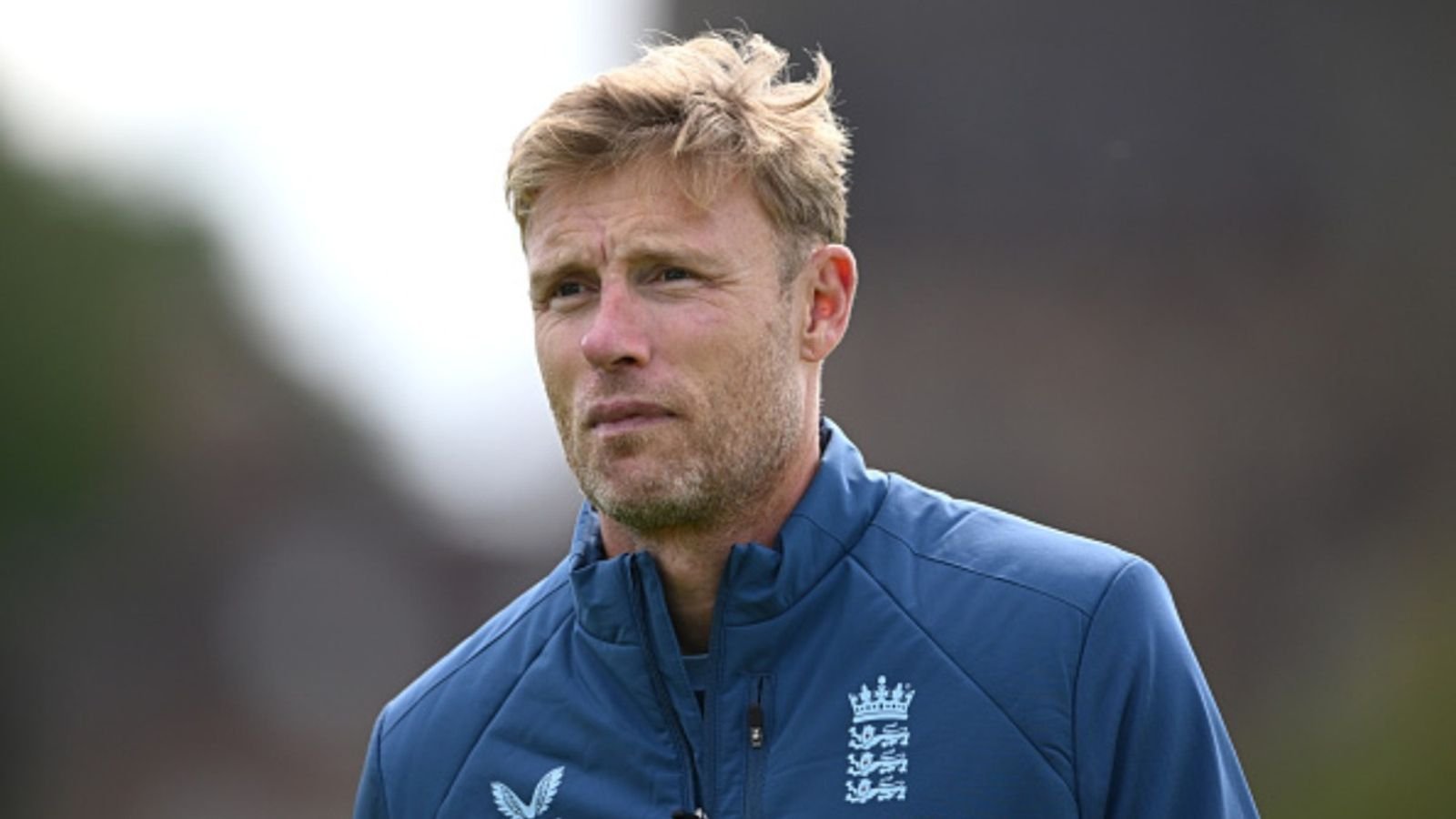
Andrew Flintoff has left his position as England Lions head coach, bringing an end to a coaching stint that began in September 2024 and was centered on developing England’s next generation of cricketers. The former England all-rounder is now preparing for a very different assignment in Australia, where he is set to take charge of Sydney Thunder in the Big Bash League.
Flintoff’s departure comes at an important point in his coaching journey. His Lions role gave him experience working with emerging players, coaches and England’s wider development system, while the move to Sydney Thunder will place him in a high-profile franchise environment where immediate results, player management and tactical flexibility will be central to the job.
Why Andrew Flintoff has left the England Lions
Flintoff decided to step away from the England Lions role after nearly two years with the development side. During that period, his work was not simply about winning matches. The Lions program is designed to prepare players for the demands of senior international cricket, making coaching, development and exposure to different conditions key parts of the assignment.
Flintoff said he had enjoyed working with some of England’s best young cricketers and took pride in watching their development. His comments indicate that the decision was not presented as a rejection of the Lions setup, but rather as a decision to pursue a new professional challenge.
“Unfortunately I’ve made the decision to step away from my role with the Lions. Not only have I enjoyed my time having the opportunity to work with the best young cricketers in the country, but have taken great pride in seeing them develop,” Flintoff said.
He also thanked the coaches and support staff around the Lions, while specifically acknowledging performance director Ed Barney and England men’s managing director Rob Key for their support.
Flintoff’s England Lions tenure was about more than results
One of the most important aspects of Flintoff’s Lions role was its position within England’s wider player-development pathway. Unlike a franchise head coach, a Lions coach has to balance competitive cricket with long-term development.
That means identifying weaknesses in young players, exposing them to demanding conditions and helping them understand what international cricket requires. It also involves working alongside county coaches and England’s senior setup rather than operating in isolation.
Flintoff’s own playing career gives him a particularly relevant perspective. He experienced the pressure of international cricket, Ashes cricket and elite-level expectations as one of England’s most recognizable all-rounders. That background allowed him to offer emerging players insight that goes beyond technical instruction.
The value of such a role can often be difficult to measure immediately. A successful Lions campaign is not necessarily defined by a trophy. Instead, the bigger objective is to produce cricketers capable of making the transition to England’s senior team.
From England Lions to Sydney Thunder: a major coaching shift
Flintoff’s next assignment represents a significant change in environment. At the England Lions, his primary responsibility was player development. At Sydney Thunder, the emphasis will move much closer to franchise performance.
The Big Bash League demands a different style of coaching because squads are assembled from players with varying international and domestic backgrounds. Coaches must quickly establish roles, manage different personalities and build a tactical plan around a limited preparation window.
That makes Flintoff’s move particularly interesting. His Lions experience should have strengthened his ability to communicate with developing players, while his own international career gives him credibility inside a dressing room containing established professionals.
The challenge will be translating those skills into a competition where the margin for error can be considerably smaller. Franchise cricket does not provide the same extended development runway as an international pathway program.
Why Sydney Thunder could be an important next step for Flintoff
The Sydney Thunder opportunity could become a defining stage in Flintoff’s development as a coach. Moving from an England pathway role into the Big Bash gives him the opportunity to work in a highly competitive T20 environment and develop his understanding of franchise cricket.
T20 coaching requires decisions to be made quickly. Matchups, bowling changes, batting positions and tactical plans can change within a few deliveries. A coach also has to understand how to get the best out of players who may have very different roles across other competitions.
For Flintoff, this represents a chance to broaden his coaching portfolio. His career has already taken him from elite playing cricket into broadcasting and coaching, and the Sydney Thunder role adds another important dimension.
Flintoff’s playing career provides a strong foundation
Before moving into coaching, Flintoff established himself as one of England’s most influential cricketers of his generation. He was particularly associated with the 2005 Ashes series, when his performances with both bat and ball helped England regain the urn.
His experience was not limited to Test cricket. Flintoff played across formats and experienced the changing demands of international cricket during an era when limited-overs cricket was rapidly evolving.
That background is relevant to his new role because T20 cricket places enormous importance on versatility. Players need to adapt quickly, and coaches must understand how skills developed in one format can be applied differently in another.
Who will replace Flintoff for the England Lions?
England Under-19 head coach Mike Yardy has been given responsibility for the Lions’ upcoming four-day fixture against Pakistan Men at Beckenham.
The fixture is scheduled to begin on August 12 and will see the Lions represent a professional County Club Select XI. Yardy’s appointment provides continuity within England’s development structure while the organization moves forward following Flintoff’s departure.
Yardy’s existing experience with England’s younger players also makes the transition logical. The Lions environment requires coaches who understand the development pathway and can work with players who are potentially moving toward senior international cricket.
What Flintoff’s departure means for England’s development pathway
Flintoff’s exit does not necessarily signal a major change in England’s approach to player development. The Lions remain an important bridge between county cricket and the senior international side, and the immediate appointment of Yardy ensures that the program continues without a prolonged leadership gap.
However, Flintoff’s departure does create an opportunity for England to assess what qualities it wants in the next permanent Lions head coach.
The role requires a difficult balance: coaches must help young players win competitive matches while also accepting that development can involve experimentation and failure. The ideal candidate therefore needs to understand both performance and progression.
Flintoff’s next challenge will test his coaching adaptability
The biggest question surrounding Flintoff’s move to Sydney Thunder is not whether he understands cricket. His playing career provides ample evidence of that. The more interesting question is how effectively he can transfer his coaching methods from a development environment into professional T20 cricket.
At the Lions, mistakes can form part of the learning process. In the Big Bash, however, tactical errors can have an immediate effect on a team’s position in the competition.
Flintoff will therefore need to combine his development-focused approach with sharper match management. He will also have to deal with players who arrive with established reputations and considerable experience, meaning that coaching authority must come from communication and tactical clarity as much as hierarchy.
England Lions exit closes one chapter, but Flintoff’s coaching career is growing
Flintoff’s departure is best viewed as a transition rather than an endpoint. His time with the England Lions allowed him to work closely with emerging talent and gain valuable experience within England’s cricket structure.
The Sydney Thunder job offers a completely different test. It will place him in a high-pressure T20 competition, expose him to an international player pool and demand fast tactical decisions.
That combination could make the move beneficial for both Flintoff and Sydney Thunder. If he can combine the player-development skills developed with the Lions with the tactical demands of franchise cricket, the Big Bash stint could significantly strengthen his reputation as a coach.
What comes next for Andrew Flintoff?
Andrew Flintoff now enters an intriguing stage of his coaching career. His England Lions tenure gave him an opportunity to influence the next generation, while Sydney Thunder will ask him to translate those lessons into a results-driven T20 environment.
The immediate focus will be on his transition to Australia and the preparations for the Big Bash League. For England, meanwhile, Mike Yardy will oversee the Lions’ next assignment as the development program moves into its next phase.
Flintoff’s move underlines how modern cricket careers increasingly cross boundaries between international development systems and franchise competitions. For a former England great still building his identity as a coach, the Sydney Thunder challenge could prove to be one of the most revealing tests of his credentials yet.
For breaking news and live news updates, like us on Facebook or follow us on Twitter and Instagram. Read more on Latest Cricket on thefoxdaily.com.



COMMENTS 0