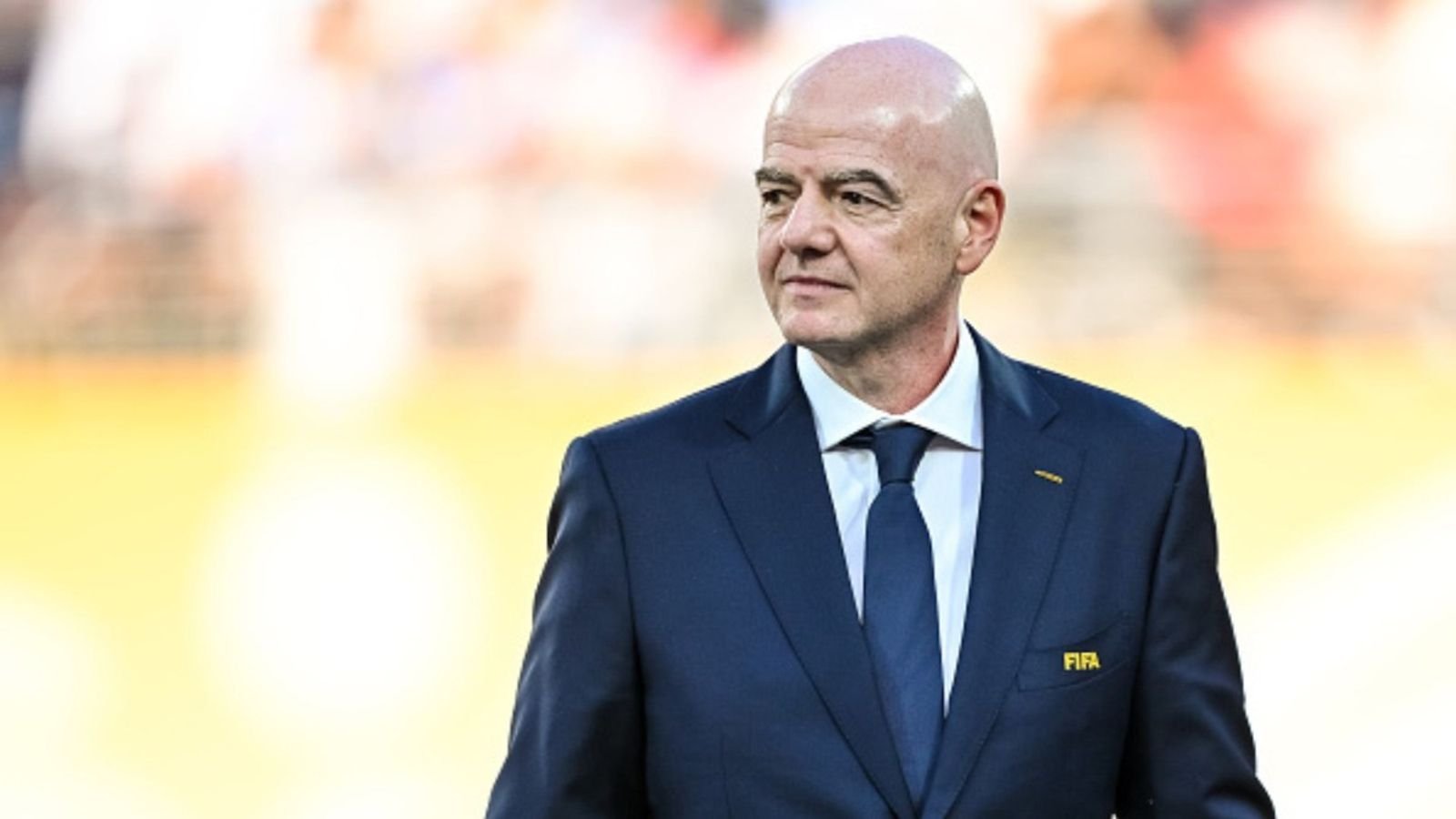
One of the biggest governance stories in world football has unfolded after Carlos Cordeiro, a senior advisor to FIFA President Gianni Infantino, stepped down with immediate effect in protest against FIFA’s proposed commercial restructuring. The resignation is significant not only because of Cordeiro’s senior position within the organization but also because it highlights growing divisions over how football’s most valuable competitions should be managed in the future.
At the heart of the controversy is FIFA’s proposal to create a new commercial company that would manage the rights to tournaments such as the FIFA World Cup and Club World Cup before selling up to a 20% minority stake to outside investors. Supporters view the plan as an opportunity to unlock billions in capital, while critics argue it risks sacrificing long-term financial independence for short-term gains.
Why Carlos Cordeiro Resigned
Carlos Cordeiro made it clear that his resignation was driven by principle rather than personal disagreement. In a strongly worded statement, he said the proposed transaction was fundamentally against the interests of football.
“A bad deal for FIFA’s member associations, a bad deal for football, and a bad deal for the long-term future of the game.”
Cordeiro also stressed that he had no role in designing or negotiating the proposal and therefore could not support its implementation. By resigning instead of remaining silent, he has transformed what may have been an internal policy disagreement into a major international governance issue.
What Is FIFA’s World Cup Stake Sale Proposal?
The proposal centers on the creation of a new commercial entity known as FIFA Forward Enterprises (FFE). The company would oversee commercial rights connected to FIFA’s premier competitions, including broadcasting, sponsorship and other revenue-generating assets.
Under the plan, FIFA intends to sell up to 20% of the new company to private investors, potentially generating around $4.2 billion (£3.1 billion) in fresh capital.
The organization has argued that attracting outside investment could strengthen commercial operations, accelerate growth opportunities and provide additional funding for football development worldwide.
How the New Commercial Structure Would Work
| Current FIFA Model | Proposed FIFA Forward Enterprises Model |
|---|---|
| FIFA directly controls commercial rights. | Commercial rights managed through FIFA Forward Enterprises. |
| All long-term commercial ownership remains with FIFA. | Outside investors acquire up to a 20% minority stake. |
| Revenue generated solely by FIFA operations. | Immediate capital raised through private investment. |
| Full control remains with football’s governing body. | Private investors gain minority economic interest. |
Although FIFA would continue holding majority ownership, critics argue that selling part of the commercial business linked to football’s most valuable tournaments represents a historic shift in how the sport is governed.
Why Carlos Cordeiro Opposes the Plan
Cordeiro believes the proposal solves a problem that does not currently exist.
He argued that FIFA already enjoys a strong financial position, possessing substantial cash reserves while carrying no significant debt. With the organization generating record revenues from recent commercial cycles, he questioned why it would permanently sell part of one of football’s most valuable assets.
According to Cordeiro, the proposal effectively mortgages future commercial income without sufficient justification, potentially limiting financial flexibility for future generations of football administrators.
Growing Opposition Across World Football
The resignation has amplified concerns already being expressed by several influential football confederations.
Reports indicate that organizations including UEFA, CONCACAF and the Asian Football Confederation (AFC) have voiced serious reservations regarding the proposal. Some have reportedly warned they could consider stronger action if the plan proceeds without broader consultation.
The opposition demonstrates that this debate extends beyond FIFA headquarters. Many stakeholders believe decisions involving the commercial future of the FIFA World Cup should involve extensive discussion with member associations across every continent.
Why the FIFA World Cup Is Different
The FIFA World Cup is far more than a sporting competition. It represents football’s biggest commercial asset, generating billions through broadcasting agreements, sponsorships, licensing and global partnerships.
Revenue from the tournament helps finance FIFA’s operations while supporting football development projects across hundreds of national associations.
Because of its financial importance, any proposal involving ownership or commercial rights inevitably attracts intense scrutiny from football leaders, investors and supporters worldwide.
Who Is Carlos Cordeiro?
Carlos Cordeiro brings significant experience from both finance and football administration.
- Former President of the United States Soccer Federation.
- Former Goldman Sachs executive.
- Senior advisor to FIFA President Gianni Infantino since 2021.
- Represented FIFA on the White House Task Force for the 2026 FIFA World Cup.
His background in global finance gives additional weight to his concerns regarding the commercial structure of the proposed investment.
Why This Resignation Matters
Senior resignations from major sporting organizations are always noteworthy, but departures linked directly to governance disagreements often carry even greater significance.
Cordeiro was regarded as one of Infantino’s trusted advisors. His decision to leave publicly rather than remain inside the organization suggests that internal divisions over FIFA’s commercial direction may be deeper than previously understood.
The resignation also increases external pressure on FIFA to provide greater transparency regarding the proposal and its long-term objectives.
Potential Benefits FIFA Sees in Outside Investment
Although critics have questioned the proposal, supporters argue that external investment could provide meaningful advantages.
- Immediate access to billions in fresh capital.
- Expansion of commercial opportunities.
- Greater investment in football development.
- Enhanced global marketing capabilities.
- Improved long-term commercial growth.
FIFA believes these resources could strengthen its ability to support football worldwide while modernizing the commercial management of its competitions.
The Risks Highlighted by Critics
Opponents, however, argue that selling part of FIFA’s commercial future carries significant long-term risks.
Private investors naturally seek financial returns. Even minority ownership could influence strategic priorities over time, potentially creating tension between commercial objectives and football’s broader developmental goals.
Critics also question whether accepting billions today is worthwhile if it reduces future income generated by increasingly valuable global tournaments.
What This Means for FIFA Governance
Beyond financial considerations, the controversy reflects a wider debate about governance within international sport.
As sporting organizations become increasingly commercialized, administrators face difficult decisions about balancing financial growth with institutional independence. FIFA’s proposal has become one of the clearest examples of this challenge.
The reaction from confederations and senior officials suggests governance issues may become just as important as commercial ones before any final decision is reached.
Possible Impact on the 2026 World Cup and Future Competitions
At present, there is no indication that the resignation will affect preparations for upcoming FIFA tournaments, including the 2026 FIFA World Cup.
However, continued disagreement among football’s governing bodies could influence future discussions surrounding tournament organization, commercial partnerships and long-term revenue distribution.
The coming months are likely to determine whether FIFA proceeds with the proposal, modifies its structure or seeks broader consensus among member associations.
What Happens Next?
Following Cordeiro’s resignation, attention now turns to FIFA’s leadership and whether additional details regarding the proposal will be released.
The organization may seek to reassure member associations by explaining how commercial control would remain protected despite outside investment. Equally, growing opposition could encourage FIFA to reconsider aspects of the proposal before moving forward.
Much will depend on future discussions with continental confederations and national football associations, whose support remains essential for major structural reforms.
Conclusion
Carlos Cordeiro’s resignation marks one of the most significant governance developments within FIFA in recent years. His decision reflects growing concerns about the proposed sale of a minority stake in football’s most valuable commercial assets and has intensified debate over the future direction of the global game.
While FIFA argues that outside investment could unlock new opportunities for growth, critics believe the organization risks compromising the long-term value and independence of the FIFA World Cup. With influential football confederations also expressing reservations, the controversy is likely to remain one of the defining governance issues facing international football. Whether FIFA proceeds with its ambitious commercial restructuring or adjusts its plans following widespread opposition could shape the financial future of world football for decades to come.
For breaking news and live news updates, like us on Facebook or follow us on Twitter and Instagram. Read more on Latest Sports on thefoxdaily.com.




COMMENTS 0