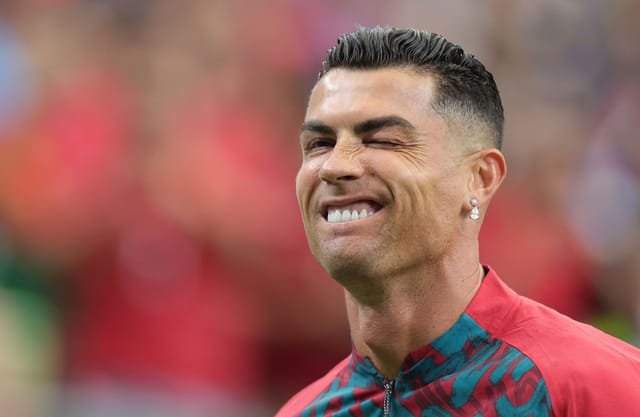
Portugal’s underwhelming draw against DR Congo in the FIFA World Cup 2026 group stage has reignited a fierce debate around Cristiano Ronaldo’s place in the national team and the tactical decisions of head coach Roberto Martínez. The conversation escalated after Canadian broadcaster Sid Seixeiro publicly criticized both the player and the manager, calling for drastic changes within the squad setup.
While Ronaldo’s legacy remains undisputed, the performance in this match has triggered questions about whether Portugal are balancing sentiment and strategy effectively at the highest level of international football.
What Happened in Portugal vs DR Congo?
Portugal were held to a frustrating draw by DR Congo in a match that exposed inefficiencies in their attacking structure. Despite controlling possession in phases, they struggled to convert dominance into clear scoring opportunities.
Cristiano Ronaldo, who continues to start for Portugal at 41 years old, had a quiet outing by his standards, registering limited touches and few meaningful chances inside the box.
Key match concerns included:
- Low attacking penetration in the final third
- Over-reliance on wide buildup play
- Limited service to central striker positions
- Disjointed pressing and transition phases
The Sid Seixeiro Controversy: What Was Said?
Canadian broadcaster Sid Seixeiro delivered a strongly worded critique of Portugal’s tactical setup and selection decisions. His comments focused on what he sees as an imbalance between merit-based selection and reputation-based preference.
“Ronaldo was picked for the team… I don’t mind him starting, but treating him like there are no consequences for poor performances sends the wrong message.”
He also questioned substitution decisions, suggesting inconsistency in how players are treated during matches, particularly comparing Ronaldo’s full-game involvement with the substitution of younger midfielders.
“It’s a political thing inside the Portuguese Federation… Ronaldo’s not making runs like there’s nowhere to put the ball for him because he is slow.”
His most controversial remark suggested that Portugal might function better as a team without Ronaldo in the starting lineup, arguing that a new generation of players is ready to take over.
Why Ronaldo’s Role Is Being Debated Again
Cristiano Ronaldo’s presence in the squad has always been both a tactical asset and a symbolic anchor for Portugal. However, at 41, his role has evolved significantly from a dynamic forward to a more structured finisher dependent on service.
This transition creates a tactical dependency: Portugal must adapt their system around him, rather than relying on fluid positional interchange.
Key tactical challenges include:
- Reduced off-the-ball movement compared to younger forwards
- Limited pressing intensity in high defensive lines
- Dependence on crossing or final-third deliveries
- Reduced ability to drop deep and link play consistently
Roberto Martínez Under Pressure: System vs Star Power
Portugal manager Roberto Martínez now faces a delicate balancing act. His system is designed to maximize technical midfield control, but integrating a high-profile striker like Ronaldo introduces structural compromises.
The criticism centers on substitution patterns and tactical rigidity, particularly when in-form midfielders are removed while the striker remains on the pitch despite limited influence.
This has fueled a wider debate: should Portugal evolve into a system-driven team or continue optimizing around legacy players?
Statistical Snapshot: Ronaldo’s Performance Concerns
While statistics alone do not define impact, Ronaldo’s numbers from the DR Congo match have intensified scrutiny.
| Metric | Performance |
|---|---|
| Shots | 3 (0 on target) |
| Touches | 25 |
| Key chances created | 0 |
| Expected involvement | Low in final third |
These figures highlight a broader issue: limited involvement in build-up phases and reduced influence in decisive attacking zones.
The Leadership vs Transition Dilemma
Portugal’s current challenge is not just tactical—it is generational. The squad contains a blend of experienced winners and emerging talents, creating natural friction in role distribution.
Ronaldo remains a global icon and a psychological leader, but modern tournament football increasingly prioritizes intensity, pressing structure, and positional fluidity.
This creates a difficult question for management:
Should Portugal prioritize legacy leadership or transition fully into a new tactical identity?
Why the Debate Feels More Intense in 2026
The 2026 FIFA World Cup has expanded formats and higher physical demands, increasing the importance of squad depth and adaptability. Teams are required to rotate effectively and maintain high tempo across matches.
In this context, any perceived tactical imbalance—especially involving aging stars—becomes magnified.
For Portugal, every group-stage performance is now evaluated not just on results, but on long-term tournament viability.
Public Opinion: Divided but Intensifying
The reaction to Ronaldo’s performance and Seixeiro’s comments reflects a growing divide among fans and analysts.
- One side emphasizes Ronaldo’s experience, leadership, and finishing ability
- The other highlights tactical limitations and reduced mobility
- Neutral observers focus on system balance rather than individuals
This divide is expected to intensify as the tournament progresses, especially if Portugal struggle to convert dominance into goals.
What Portugal Must Fix Going Forward
Regardless of individual debates, Portugal must address structural issues to remain competitive in the tournament.
Key priorities include:
- Improving final-third creativity and movement
- Increasing midfield-to-striker connection efficiency
- Balancing experience with tactical intensity
- Optimizing substitution strategy based on match flow
Conclusion: A Legacy Player in a Modern Tactical Storm
The criticism surrounding Cristiano Ronaldo after the DR Congo draw is not just about one match—it reflects a broader clash between football eras. While Ronaldo remains one of the greatest players in history, modern tournament football demands relentless tactical flexibility and collective intensity.
Roberto Martínez now faces one of the most high-pressure coaching challenges of the tournament: maintaining harmony in a star-studded squad while ensuring tactical evolution keeps pace with the demands of the 2026 World Cup.
Whether this becomes a turning point or just another wave of criticism will depend on Portugal’s response in their upcoming group matches. But one thing is clear—the debate around Ronaldo’s role is far from over.
For breaking news and live news updates, like us on Facebook or follow us on Twitter and Instagram. Read more on Latest Sports on thefoxdaily.com.



COMMENTS 0