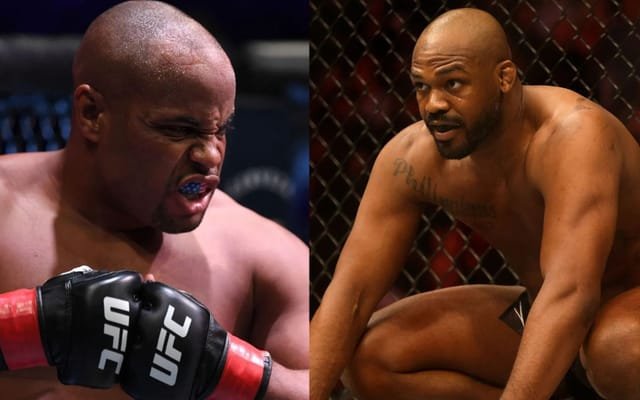
The Daniel Cormier Jon Jones rivalry has long been regarded as one of the most intense feuds in mixed martial arts history. More than a decade after their first heated encounters, the rivalry continues to generate headlines, even though both men have moved into different stages of their careers.
The latest chapter unfolded after Jon Jones claimed that Cormier once admitted their rivalry had become too valuable commercially for them to appear friendly in public. According to Jones, the pair supposedly agreed they could be respectful behind closed doors while maintaining their hostility whenever cameras were present.
Daniel Cormier has now publicly rejected that version of events, insisting such a conversation never happened. His response not only dismissed Jones’ claim but also offered fresh insight into how he views one of the UFC’s most iconic rivalries years after their championship battles.
Daniel Cormier Denies Jon Jones’ Version of Events
Speaking on his YouTube channel, Cormier made it clear that the alleged discussion described by Jones never took place.
According to the former UFC heavyweight and light heavyweight champion, the rivalry was built on genuine personal conflict rather than carefully planned promotional tactics.
“We did not have that conversation where I sat down with him and said, ‘When the cameras are rolling, you’re my enemy.’ No. He’s just my enemy all the time. Jon Jones, I do still hate you, and I always will.”
Cormier acknowledged that their rivalry undoubtedly generated significant financial opportunities throughout their careers, but he rejected the suggestion that it was ever fabricated for business purposes.
His comments reinforce what many MMA fans believed throughout the peak of their feud—that the hostility between the two champions was authentic and extended far beyond promotional obligations.
One of MMA’s Most Personal Rivalries
Few rivalries in combat sports have reached the emotional intensity of Cormier versus Jones.
Their disagreements were never limited to pre-fight press conferences or promotional interviews. Instead, years of personal insults, confrontations, and championship competition transformed the feud into one of the defining storylines of modern UFC history.
Unlike many rivalries created primarily to sell pay-per-view events, the tension between Jones and Cormier consistently appeared genuine. Their interactions often reflected deep personal resentment rather than competitive gamesmanship.
That history explains why Cormier strongly objected to the idea that the rivalry was coordinated behind the scenes.
Has Time Changed Their Relationship?
Although Cormier insists the rivalry remains real, he also acknowledged that time has naturally changed how the two former champions interact.
Years removed from competing against one another, both athletes have matured personally and professionally.
Cormier explained that they can now exist in the same environment without expecting physical confrontation every time they cross paths.
“We can operate around each other. It’s actually tolerable being in the same space with Jon Jones without having to feel like we’re going to run at each other.”
However, he emphasized that greater professionalism should not be mistaken for reconciliation.
According to Cormier, the difficult history between them—including harsh personal comments exchanged over the years—cannot simply be forgotten.
Can Rivalries Remain Real After Retirement?
The disagreement between Jones and Cormier raises an interesting question about elite sports rivalries.
Many legendary opponents eventually become friends after retirement, recognizing the role each played in defining the other’s career. Others maintain respectful distance while leaving past conflicts behind.
Cormier’s comments suggest his relationship with Jones falls somewhere in between.
There is no longer the same level of explosive hostility that existed during their championship years, yet genuine friendship remains unlikely.
This distinction highlights how rivalries evolve over time without necessarily disappearing.
Did Their Rivalry Benefit the UFC?
While rejecting Jones’ claim of a staged feud, Cormier openly admitted that their rivalry became one of the UFC’s biggest commercial successes.
Championship fights between elite competitors naturally attract attention, but personal storylines often elevate those contests into must-watch events.
The rivalry produced memorable press conferences, championship fights, media appearances, and debates that helped shape an entire era of the light heavyweight division.
Its influence extended beyond fight nights, becoming one of the UFC’s most recognizable narratives worldwide.
| Category | Daniel Cormier | Jon Jones |
|---|---|---|
| Former UFC Titles | Heavyweight & Light Heavyweight Champion | Light Heavyweight & Heavyweight Champion |
| Current Relationship | Professional but not friendly | Claims rivalry softened privately |
| View of Rivalry | Completely genuine | Suggested private conversations were more cordial |
| Shared Legacy | One of UFC’s greatest rivalries | One of UFC’s greatest rivalries |
Cormier Still Gives Jones Credit Where It’s Due
Despite rejecting Jones’ account of their relationship, Cormier demonstrated that professional respect can exist independently of personal feelings.
During the same discussion, he praised Jones for his work mentoring Olympic wrestling champion Gable Steveson.
Cormier credited both Jones and the experienced Jackson Wink coaching staff for helping guide one of wrestling’s most accomplished athletes as he develops in mixed martial arts.
“He’s done a great job with Gable Steveson… Greg Jackson, Mike Winkeljohn… they’re insane coaches. Jon seems to be invested in Gable and doing a great job with him.”
The compliment reflected an important distinction. While Cormier remains unwilling to rewrite the history of their rivalry, he is prepared to acknowledge Jones’ contributions as a coach and mentor when he believes praise is deserved.
Why Coaching Success Adds Another Dimension
Jones’ involvement with Gable Steveson represents a new chapter in his combat sports journey.
Transitioning from elite competitor to mentor requires different skills, including communication, patience, and the ability to transfer knowledge effectively.
Cormier’s willingness to recognize those qualities suggests that competitive respect can exist even between longtime rivals.
It also illustrates how retired or semi-retired athletes often influence the sport beyond their own performances inside the cage.
The Legacy of Jones vs. Cormier
Regardless of differing memories about private conversations, the historical significance of Jones versus Cormier remains unquestioned.
The rivalry helped define a generation of UFC fans and produced moments that continue to be discussed years later.
From championship clashes to unforgettable promotional events, their feud demonstrated how authentic personal conflict can elevate sporting competition without requiring manufactured storylines.
Its lasting impact is evident every time either fighter comments publicly on the other.
What Fans Can Learn From This Exchange
- Long-standing rivalries often leave lasting emotional impressions.
- Professional respect does not necessarily erase personal differences.
- Athletes may remember shared experiences differently.
- Acknowledging someone’s professional achievements does not require personal friendship.
These themes extend beyond mixed martial arts and apply across many elite sports where fierce competition creates complicated relationships.
Looking Ahead
With both men focusing on different aspects of their careers, another competitive meeting between Jones and Cormier is highly unlikely.
However, public discussion surrounding their rivalry appears destined to continue whenever either legend reflects on the past.
As Jones explores coaching opportunities and Cormier continues his broadcasting career, both remain influential voices whose opinions carry significant weight within the MMA community.
Conclusion
The latest disagreement over an alleged private conversation demonstrates that the Daniel Cormier Jon Jones rivalry still resonates years after their championship battles. Cormier has categorically denied Jones’ version of events, insisting their feud was never staged for publicity and remains rooted in genuine personal conflict.
At the same time, his praise for Jones’ coaching work with Gable Steveson shows that respect for professional accomplishments can coexist with unresolved personal differences. That balance makes their relationship one of the most complex in UFC history—less explosive than it once was, but still far from friendship.
Whether fans side with Jones’ account or Cormier’s denial, one fact remains undeniable: their rivalry continues to shape conversations in mixed martial arts long after both men established themselves among the sport’s all-time greats.
For breaking news and live news updates, like us on Facebook or follow us on Twitter and Instagram. Read more on Latest Sports on thefoxdaily.com.






COMMENTS 0