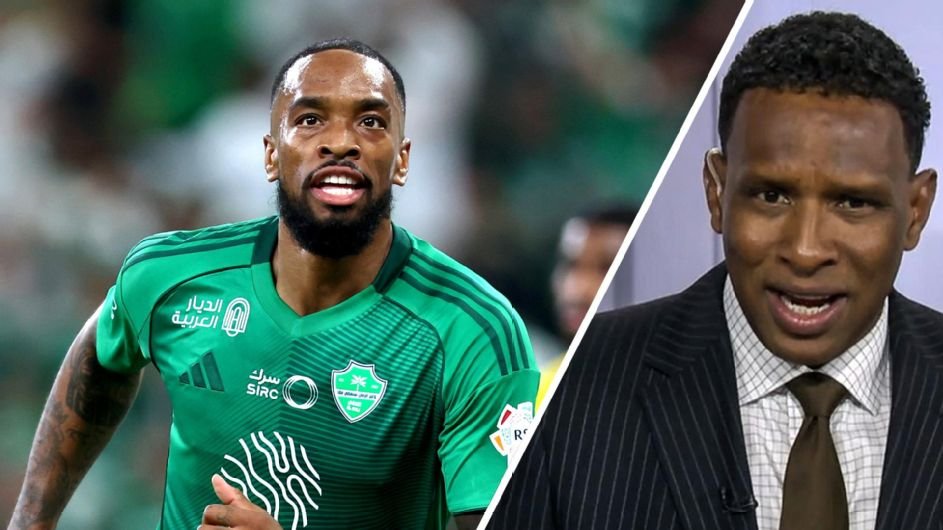
England’s 2026 FIFA World Cup squad announcement was never going to be quiet.
Not after years of near-misses.
Not after back-to-back European Championship final defeats.
And certainly not with Thomas Tuchel now in charge.
The German coach’s first major tournament squad has immediately sparked fierce debate across England not only because of WHO made the plane, but because of who did not.
Ivan Toney is back.
John Stones survives fitness concerns.
Jordan Henderson returns despite criticism.
Djed Spence earns one of the tournament’s surprise inclusions.
Meanwhile, major names including Phil Foden, Cole Palmer, Harry Maguire, Morgan Gibbs-White, and Lewis Hall have all been left out.
These are not small decisions.
They represent a major philosophical statement from Tuchel about what he wants England to become.
And perhaps more importantly, they reveal that reputation alone will no longer guarantee a place in the national team.
Thomas Tuchel’s England Revolution Has Officially Begun
When Tuchel replaced Gareth Southgate in January 2025, the expectation was not simply tactical evolution.
It was psychological transformation.
England had already become one of international football’s most consistently competitive teams under Southgate:
- Euro 2020 finalists
- Euro 2024 finalists
- 2018 World Cup semifinalists
- 2022 World Cup quarterfinalists
But despite progress, England repeatedly fell short in decisive moments.
The Football Association clearly believed Tuchel could provide the ruthless edge needed to finally convert promise into trophies.
This squad selection suggests exactly that.
The German manager appears less interested in sentiment, media pressure, or established hierarchy than previous England coaches.
Why Phil Foden’s Omission Is the Biggest Shock
No exclusion has generated more attention than Phil Foden missing the squad entirely.
Just two years ago, many viewed Foden as the future face of English football.
Technically gifted, tactically versatile, and highly creative, he seemed destined to become central to England’s long-term plans.
So why leave him out?
The answer may lie in balance rather than talent.
Under Southgate, England occasionally struggled to fit multiple attacking creators into the same structure efficiently.
Tuchel appears determined to prioritise:
- Positional discipline
- Tactical intensity
- Defensive transitions
- Role clarity
- Physical balance
That approach sometimes disadvantages technically brilliant players who thrive in free-role systems.
Foden’s omission therefore may not reflect declining ability, but rather Tuchel’s belief that other profiles better suit tournament football.
Cole Palmer Missing Out Signals Tactical Ruthlessness
The exclusion of Cole Palmer is similarly revealing.
Palmer’s creativity and unpredictability made him one of England’s most exciting attacking players over the last two seasons.
Yet tournament football often punishes imbalance.
Managers frequently prioritise reliability over flair when constructing squads for compressed competitions.
Tuchel’s decision suggests he values:
- Pressing structure
- Off-ball work rate
- Positional intelligence
- Tactical adaptability
over individual improvisation alone.
It is a distinctly continental managerial philosophy.
Harry Maguire’s Exclusion Marks the End of an Era
Perhaps the most emotionally significant omission is Harry Maguire.
For years, Maguire was one of Gareth Southgate’s most trusted tournament performers despite criticism at club level.
International football often suited him:
- Deeper defensive structure
- Protected central positioning
- Set-piece dominance
- Leadership presence
But at 33, Tuchel appears to be accelerating England’s defensive transition.
Maguire’s public frustration following the decision also highlights how emotionally charged tournament omissions become for veteran players.
World Cups are career-defining moments.
For many senior footballers, missing one can effectively mark the end of international relevance.
Why John Stones Still Matters to Tuchel
While Maguire misses out, John Stones remains included despite fitness concerns.
That reveals how highly Tuchel values Stones tactically.
Modern elite football increasingly depends on defenders who can:
- Progress possession
- Break pressing lines
- Control build-up phases
- Operate comfortably in high defensive systems
Few English defenders match Stones in those areas.
Tuchel’s systems historically rely heavily on intelligent ball-playing defenders.
If fully fit, Stones could become one of the most important players in England’s World Cup structure.
Ivan Toney’s Return Gives England Tactical Variety
Ivan Toney’s inclusion may prove one of the smartest decisions in the squad.
England have often lacked an alternative attacking profile when matches become physically difficult or tactically chaotic.
Toney provides:
- Aerial dominance
- Hold-up play
- Penalty expertise
- Physical presence
- Direct attacking options
Tournament football frequently produces matches where technical fluency breaks down under pressure.
In those moments, having a striker capable of creating structure through physical play becomes enormously valuable.
Toney also gives England flexibility if Tuchel wants to play more direct football against elite opposition.
Djed Spence Could Become England’s Surprise Breakout Star
Every major tournament squad contains one unexpected inclusion capable of changing public perception quickly.
Djed Spence may become that player for England.
His athleticism, recovery speed, and attacking width align closely with the demands of modern tournament football.
Tuchel has historically preferred dynamic wing-backs and aggressive wide defenders.
Spence fits that profile naturally.
If England deploys flexible back-three systems during the tournament, his importance could increase rapidly.
Jordan Henderson’s Selection Will Divide Opinion
Jordan Henderson’s inclusion is likely to generate fierce debate throughout the tournament.
Critics argue England should move fully toward younger midfield options.
Supporters believe Henderson still offers intangible tournament value:
- Leadership
- Experience
- Game management
- Dressing room stability
- Tactical discipline
Tuchel clearly prioritises mentality and structure heavily.
Managers often trust experienced players during high-pressure international tournaments because knockout football demands emotional control as much as technical quality.
England’s Group Stage Looks Favorable But Dangerous
England open their World Cup campaign against Croatia before facing Ghana and Panama.
| England 2026 World Cup Fixtures | Date |
|---|---|
| England vs Croatia | June 17 |
| England vs Ghana | June 23 |
| England vs Panama | June 27 |
On paper, England should comfortably progress.
But World Cup history repeatedly punishes teams that underestimate transitional opponents.
Croatia remain tactically intelligent tournament specialists.
Ghana possess athletic unpredictability.
Panama could create physically demanding conditions.
The group is manageable not trivial.
Tuchel Appears to Be Building a More Aggressive England
One noticeable pattern in the squad is athletic intensity.
The selections suggest Tuchel wants England to become:
- More vertically aggressive
- Better in transitions
- Stronger defensively without the ball
- More tactically adaptable
- Less dependent on individual moments
This could represent a significant shift away from the slower, possession-heavy phases England sometimes drifted into under Southgate.
Tuchel’s best teams historically combine structure with controlled aggression.
That balance could suit tournament football exceptionally well.
England Still Have One Major Psychological Hurdle
Tactically, England possess enough talent to win the World Cup.
That has been true for several tournaments now.
The bigger challenge remains psychological.
England have repeatedly reached advanced tournament stages only to struggle in defining moments under extreme pressure.
Tuchel’s biggest task may therefore involve mentality rather than formation boards.
His reputation as an elite knockout competition coach likely played a huge role in the FA’s decision to appoint him.
Winning the Champions League with Chelsea demonstrated his ability to organise teams quickly for short-format competitions.
The Squad Reflects a Manager Unafraid of Backlash
Perhaps the clearest takeaway from the squad announcement is that Tuchel appears completely comfortable making unpopular decisions.
That matters enormously in tournament football.
Managers who become overly reactive to media pressure often struggle to maintain tactical clarity.
Tuchel instead appears willing to:
- Ignore public sentiment
- Drop major names
- Prioritise system compatibility
- Make emotionally difficult calls
Whether those decisions succeed will only be judged by results.
But England now undeniably look like a team shaped by one coherent football philosophy rather than public expectation.
Conclusion
Thomas Tuchel’s first England World Cup squad announcement has already transformed the narrative surrounding the Three Lions.
The inclusions of Ivan Toney, John Stones, Djed Spence, and Jordan Henderson combined with the omissions of Phil Foden, Cole Palmer, and Harry Maguire reveal a manager focused less on reputation and more on tactical identity.
This is not a conservative transition from the Southgate era.
It is a reset.
Tuchel appears determined to build an England side capable of surviving the brutal emotional and tactical demands of knockout football.
The squad may divide opinion now.
But if England finally lift the World Cup, these controversial decisions will be remembered not as risks but as the moment a talented generation finally became a winning one.
For breaking news and live news updates, like us on Facebook or follow us on Twitter and Instagram. Read more on Latest Sports on thefoxdaily.com.






COMMENTS 0