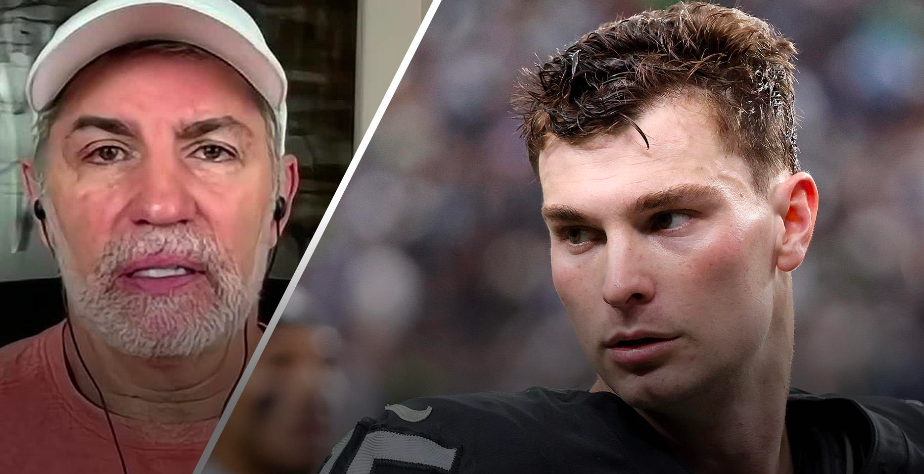
The first half of the 2026 NFL season has delivered impressive offensive performances, disappointing struggles and several major changes in playcalling responsibilities. While some teams have found winning formulas through explosive passing attacks and effective running games, others are battling injuries, inconsistent quarterback play and problems protecting their signal-callers.
The Cincinnati Bengals and Jacksonville Jaguars have emerged as two of the league’s most exciting offenses, with Joe Burrow and Trevor Lawrence both entering the MVP conversation. Meanwhile, the Los Angeles Chargers have struggled under offensive coordinator and playcaller Mike McDaniel. The Minnesota Vikings have also experienced a significant shift after acquiring veteran quarterback Kirk Cousins, giving coach Kevin O’Connell a more experienced option to lead the offense.
With eight weeks remaining in the regular season, offensive coordinators and playcallers face increasing pressure to improve their units. Strong performances could also help several coaches position themselves for head-coaching opportunities in 2027. Here is a breakdown of what has worked, what has gone wrong and what every NFL offense needs during the second half of the season.
AFC EAST: Buffalo leads the division’s offensive conversation
Buffalo Bills
Offensive coordinator: Pete Carmichael
Playcaller: Joe Brady
Buffalo has been one of the NFL’s most productive offenses, leading the league with 31.9 points per game. Running back James Cook III is handling a career-high workload, while quarterback Josh Allen is producing his most explosive passing attack since arriving in Buffalo. The Bills have also shown they can win both high-scoring shootouts and slower, ball-control contests.
The biggest concern is pre-snap discipline. False starts, illegal shifts, delays of game and other penalties have repeatedly disrupted drives. Buffalo is averaging close to three offensive pre-snap penalties per game, while holding calls have erased 132 yards.
The priority for the second half is protecting Allen and keeping the offensive line healthy. Dion Dawkins, Spencer Brown and Alec Anderson have dealt with injury concerns. Maintaining stability up front will be particularly important as the weather gets colder and the Bills continue relying heavily on Cook.
Miami Dolphins
Offensive coordinator: Bobby Slowik
Playcaller: Bobby Slowik
Miami has made running the football a central part of its offensive identity. Even the September ACL injury to starting running back De’Von Achane has not completely derailed that plan. Second-year back Ollie Gordon II has stepped up, recording a rushing touchdown in four consecutive games at one point. The offensive line has also performed well, leading the league in average rushing yards before first contact per attempt.
The passing attack remains a major weakness. Miami ranks among the league’s lowest teams in passing yards per game. Rookie receiver Caleb Douglas has shown starting potential, but the Dolphins still need more consistent production from the rest of the receiving group. Quarterback Malik Willis is also expected to remain on injured reserve until at least Week 14 because of a groin and core injury.
The second-half focus will be developing Douglas, Chris Bell and Kevin Coleman Jr. while continuing to strengthen the running game. With second-year quarterback Kyle McCord starting during Willis’ absence, Miami has an opportunity to evaluate its young receivers and build for the future.
New England Patriots
Offensive coordinator: Josh McDaniels
Playcaller: Josh McDaniels
The Patriots have generated explosive plays through both their passing and running attacks. They rank among the league leaders in plays gaining at least 20 yards. Several young players, including offensive tackles Will Campbell and Caleb Lomu, center Jared Wilson and tight end Eli Raridon, have also made encouraging contributions.
Injuries have been the biggest obstacle. A.J. Brown suffered a high right ankle sprain during the season opener, and the Patriots have continued dealing with injuries across the offense. Quarterback Drake Maye has also been affected, with concerns that he could miss the remainder of the season.
Tommy DeVito is now being thrust into the starting role, making support from the offensive line and skill-position players essential. The potential returns of left guard Alijah Vera-Tucker and receiver Romeo Doubs could provide important help as McDaniels tries to maintain offensive consistency.
New York Jets
Offensive coordinator: Frank Reich
Playcaller: Frank Reich
Frank Reich deserves credit for helping veteran quarterback Geno Smith reduce his turnover problems. Smith, who threw 52 interceptions from 2022 through 2025, has recorded only three this season. He is also producing the best statistical season by a Jets quarterback since Ryan Fitzpatrick in 2015.
However, the overall offense has not matched its potential. Despite having talented players such as Garrett Wilson and Breece Hall, New York ranks 26th in scoring at 19.4 points per game. Poor red-zone efficiency, predictable game plans and questionable halftime adjustments have contributed to the problems.
The Jets have gone nine consecutive quarters without scoring a touchdown, making that drought an immediate concern. Reich must establish a clear offensive identity, rely more consistently on the running game and find ways to involve rookie tight end Kenyon Sadiq.
AFC NORTH: Cincinnati shines while Baltimore battles injuries
Baltimore Ravens
Offensive coordinator: Declan Doyle
Playcaller: Declan Doyle
Running back Derrick Henry remains one of Baltimore’s biggest offensive strengths. Despite difficulties running and passing consistently, the veteran continues finding the end zone. By midseason, he had reached double-digit touchdowns for the ninth time in his career, tying LaDainian Tomlinson for the most such seasons in NFL history.
Quarterback injuries, however, have created a serious crisis. Baltimore became only the third team since 1950 to start four different quarterbacks in four weeks, excluding the 1987 strike season. Lamar Jackson is expected to remain out until at least mid-to-late December following surgery on his right thumb, while Tyler Huntley is out for the season with turf toe.
After giving undrafted quarterback Joe Fagnano a start, the Ravens traded for Jacoby Brissett. The priority is helping Brissett establish consistency. Baltimore had gone four consecutive games without scoring more than 14 points, making an offensive turnaround essential.
Cincinnati Bengals
Offensive coordinator: Dan Pitcher
Playcaller: Zac Taylor
Cincinnati has become one of the NFL’s most dangerous offenses. Since Week 5, the Bengals have ranked first in points per drive and scored touchdowns on 46.2% of their possessions. Joe Burrow has also led the league in Total QBR during that stretch, strengthening his MVP credentials.
The main weakness is the running game. Cincinnati originally wanted to become a more balanced offense capable of operating under center, but its recent success has come through heavy shotgun usage. During the team’s five-game winning streak, the Bengals have led the league in shotgun usage at 80.6% while ranking near the bottom in rushing production.
Protecting Burrow is the key to maintaining momentum. The offensive line has performed reasonably well in limiting pressure, but it must continue providing enough time for the quarterback to operate the passing attack.
Cleveland Browns
Offensive coordinator: Travis Switzer
Playcaller: Todd Monken
Cleveland has struggled to produce consistent offense, although Todd Monken has found ways to create late-game opportunities. Deshaun Watson has five game-winning drives, and his performance improves considerably during the final two minutes of games compared with the opening three quarters.
The running game has been another disappointment. Cleveland ranks 24th in rushing yards per game and 30th in yards before contact per rushing attempt. Those problems have forced the offense into predictable passing situations.
The second-half priority is improving the offensive line. The Browns have struggled in both pass protection and run blocking, and the newly assembled unit must develop better communication and consistency.
Pittsburgh Steelers
Offensive coordinator: Brian Angelichio
Playcaller: Mike McCarthy
Pittsburgh’s running game has been its biggest positive. Jaylen Warren has led the backfield, with Rico Dowdle providing additional support. Since Warren began receiving the majority of carries in Week 3, the Steelers have averaged 128 rushing yards per game and rank fourth in rushing EPA.
The passing game has been far less successful. Aaron Rodgers has struggled despite reuniting with Mike McCarthy, and Pittsburgh’s receivers have found it difficult to create separation and consistently catch passes. At 42, Rodgers still possesses impressive arm strength, but reduced mobility has contributed to 26 sacks. His 59.9% completion rate is also his lowest since becoming a full-time starter in 2008.
McCarthy needs to improve the passing attack between the numbers. Better use of tight ends and more consistent involvement from the receivers could help Pittsburgh become less predictable.
AFC SOUTH: Jacksonville emerges as an offensive contender
Houston Texans
Offensive coordinator: Nick Caley
Playcaller: Nick Caley
Quarterback C.J. Stroud has exceeded expectations and produced performances reminiscent of his outstanding rookie season. He has recorded 19 passing touchdowns and 2,462 passing yards, placing him among the league’s leading quarterbacks. Nick Caley deserves recognition for helping Stroud regain his effectiveness.
The biggest problem is Houston’s running game, which averages just 87.2 yards per contest and ranks 29th in the NFL.
Establishing a more reliable ground attack is essential. If Houston can run the ball consistently, opposing defenses will have fewer opportunities to concentrate entirely on stopping Stroud.
Indianapolis Colts
Offensive coordinator: Jim Bob Cooter
Playcaller: Shane Steichen
Indianapolis has found success running the football, averaging 120.9 rushing yards per game. The combination of Jonathan Taylor and rookie Seth McGowan has provided an effective two-back approach. The pair combined for 160 rushing yards in the victory over Miami.
The passing game has gone in the opposite direction. Daniel Jones and the Colts rank near the bottom in QBR and yards per attempt. Injuries and personnel changes have made the situation even more difficult, with receiver Alec Pierce potentially lost for the season and several other offensive players moving out of the organisation.
Steichen must build around the team’s strongest remaining weapon: its running game. With Taylor still in Indianapolis, giving him a larger role could help reduce pressure on Jones and create a more manageable offensive approach.
Jacksonville Jaguars
Offensive coordinator: Grant Udinski
Playcaller: Liam Coen
Jacksonville has been one of the most complete offenses in the league. The Jaguars rank among the top 10 in yards, scoring, offensive points, time of possession and offensive EPA. They have also committed only seven turnovers, tied for the second-fewest in the NFL.
Trevor Lawrence has continued his strong form from 2025 and is firmly in the MVP conversation. The offense is on course to become the highest-scoring unit in franchise history, although red-zone production has declined. After converting 81.8% of red-zone opportunities into touchdowns during the first four weeks, Jacksonville dropped to 52.9% from Weeks 5 through 10.
Finishing drives with touchdowns is the biggest priority. Injuries affecting several players, including running backs Bhayshul Tuten and Chris Rodriguez Jr., center Robert Hainsey, receiver Jakobi Meyers and guard Ezra Cleveland, also make squad health important.
Tennessee Titans
Offensive coordinator: Brian Daboll
Playcaller: Brian Daboll
Tennessee has recently improved by using more no-huddle offense. The Titans have scored at least 23 points in each of their past three games since increasing their use of the faster-paced approach. Tony Pollard has also produced three consecutive 100-yard rushing performances, while rookie quarterback Cam Ward has shown progress.
Earlier in the season, the offense struggled to sustain drives and score points. Before changing its approach, Tennessee was averaging only 14 points per game and had been among the league’s least productive units.
The next step is continuing Ward’s development. The Titans need to give him opportunities to demonstrate his potential while maintaining a balanced attack around Pollard. Getting receiver Carnell Tate back should also help, but another consistent pass-catching option must emerge.
AFC WEST: Denver improves while the Chargers struggle
Denver Broncos
Offensive coordinator: Davis Webb
Playcaller: Sean Payton
Denver’s offense has shown improvement since Sean Payton reclaimed playcalling duties from Davis Webb after the first four games. The Broncos were 2-2 during that opening stretch but have won five consecutive games since the change.
The running game has received greater attention, and Denver has increased its rushing attempts. However, the passing offense remains inconsistent, ranking near the bottom in several important categories, including third-down conversions and explosive passing plays.
Quarterback Bo Nix must continue building on his improved performances before the team’s bye week. Rookie running back Jonah Coleman has also provided encouraging signs and could give the offense an additional dimension.
Kansas City Chiefs
Offensive coordinator: Eric Bieniemy
Playcaller: Andy Reid
Kansas City’s running game has improved significantly compared with last season. Kenneth Walker III and rookie Emmett Johnson have contributed on the ground and through the passing game, helping compensate for problems at receiver. Their production has also created more opportunities for Patrick Mahomes to use play-action.
The receiving group remained a major concern before the Chiefs acquired Josh Downs. Xavier Worthy has not developed as expected, while Tyquan Thornton’s ankle injury damaged the team’s deep-passing options. Short-yardage situations have also been inconsistent.
Downs made an encouraging start with 53 receiving yards and a touchdown in his debut. His continued involvement alongside Walker, Rashee Rice and Travis Kelce will be important for the second half.
Las Vegas Raiders
Offensive coordinator: Andrew Janocko
Playcaller: Klint Kubiak
Las Vegas has made progress in scoring, averaging 25.1 points per game after finishing last season at the bottom of the league with 14.2. The Raiders also rank sixth in third-down conversion percentage and have significantly improved their pass protection.
The running game remains a major weakness. Las Vegas ranks 31st in rushing yards per game and last in yards per attempt. Ashton Jeanty has actually produced more receiving yards than rushing yards, highlighting the difficulty the team has experienced establishing a ground attack.
The priority is finding a consistent running formula. A stronger rushing game would create better short-yardage opportunities, support rookie quarterback Fernando Mendoza and open up more play-action possibilities.
Los Angeles Chargers
Offensive coordinator: Mike McDaniel
Playcaller: Mike McDaniel
The Chargers have endured one of the most disappointing offensive campaigns in the league. Their running game has shown occasional positives, including a strong missed-tackle rate and respectable yards after contact. However, the overall offensive performance has been poor.
Justin Herbert has struggled significantly, recording a 30.1 QBR that ranks last in the league. Mike McDaniel’s system places considerable importance on quick decision-making, but Herbert has found it difficult to adapt. Injuries, particularly along the offensive line, have made the transition even harder.
Herbert showed some improvement during the middle portion of the season, but the Chargers need much more consistency. McDaniel’s future as offensive coordinator could also become a major question heading into 2027 if the offense fails to improve.
NFC EAST: Injuries and inconsistency create challenges
Dallas Cowboys
Offensive coordinator: Klayton Adams
Playcaller: Brian Schottenheimer
Dallas continues to produce respectable offensive numbers, averaging 28.6 points and 368.3 yards per game. Dak Prescott has thrown 21 touchdowns against six interceptions, while Javonte Williams has scored nine rushing touchdowns. CeeDee Lamb is also on pace for an impressive receiving season.
However, the offense has lacked consistency. George Pickens has struggled to become involved early in games, although he produced four catches for 51 yards and a touchdown against San Francisco. The running game has also been inconsistent despite Williams’ strong overall numbers.
At 4-6, Dallas needs its offense to carry the team through the final seven games. The defense has struggled, leaving Prescott and the other offensive stars with little room for error.
New York Giants
Offensive coordinator: Matt Nagy
Playcaller: Matt Nagy
The Giants have produced several encouraging offensive performances, scoring at least 27 points in five games. That is already close to their total from the previous season, and the team has managed to remain productive despite using three different quarterbacks: Jaxson Dart, Jameis Winston and J.J. McCarthy.
The biggest concern is the running game. New York has struggled to establish the physical identity that head coach John Harbaugh wanted, averaging 3.2 yards per carry in the first half of games.
Developing McCarthy is a key priority. If he improves his ability to work through progressions and make consistent decisions, the Giants could become more dangerous with Malik Nabers and Isaiah Likely available as receiving options.
Philadelphia Eagles
Offensive coordinator: Sean Mannion
Playcaller: Sean Mannion
Philadelphia has struggled to sustain offensive drives. Although the Eagles rank third in red-zone touchdown efficiency and have maintained a respectable turnover rate, they lead the league in three-and-out percentage at 35.7%. Their passing, rushing and scoring production has also fallen into the bottom five.
Injuries have made Mannion’s first season as offensive coordinator particularly difficult. The team has dealt with major changes involving its offensive line and has lost quarterback Jalen Hurts for the season because of blood clots in his lungs. Saquon Barkley, DeVonta Smith and Dontayvion Wicks have also missed time.
Getting Barkley healthy is essential to any potential recovery. The expected returns of Smith and Wicks could provide additional support, while improved offensive-line protection would help the unit sustain more productive possessions.
Washington Commanders
Offensive coordinator: David Blough
Playcaller: David Blough
Washington has shown the ability to generate explosive plays, ranking tied for ninth in plays gaining at least 20 yards. The team has also benefited from quarterback Jayden Daniels returning to a more consistent starting role after missing two games with a dislocated elbow.
However, poor game management and pre-snap penalties have created unnecessary problems. The Commanders rank fourth in false starts and third in delay-of-game penalties. Their running game has also struggled to provide consistent support.
Daniels’ continued development is central to the second-half outlook. Washington must improve its rushing attack so that the quarterback does not have to carry the offense through high-level passing performances every week.
NFC NORTH: Chicago and Detroit lead the way
Chicago Bears
Offensive coordinator: Press Taylor
Playcaller: Ben Johnson
Chicago has developed one of the league’s most productive offenses, averaging 26.8 points per game. The Bears also lead the NFL in time of possession and rank among the strongest teams in both passing and rushing production, despite injuries to Caleb Williams and players in the backfield.
The main weakness has been finishing goal-to-go opportunities. Chicago ranks 27th in goal-to-go touchdown percentage, even though its overall red-zone efficiency is better.
Ben Johnson used the bye week to evaluate the running game. Getting Kyle Monangai back alongside D’Andre Swift could help improve the ground attack and give the Bears greater consistency near the goal line.
Detroit Lions
Offensive coordinator: Drew Petzing
Playcaller: Drew Petzing
Detroit’s offense has regained its confidence under Petzing following a disappointing 2025 campaign. Quarterback Jared Goff has developed a strong working relationship with the coordinator, while Jahmyr Gibbs has helped drive an efficient rushing attack. The Lions have won five consecutive games.
Slow starts remain a concern. Despite averaging 28.6 points per game overall, Detroit produces only 3.3 points per game in the opening quarter, ranking 26th in the league.
Petzing’s biggest challenge is distributing opportunities among the team’s talented playmakers. Gibbs, Amon-Ra St. Brown, Sam LaPorta and Jameson Williams all need to remain involved as the Lions attempt to maintain their offensive momentum.
Green Bay Packers
Offensive coordinator: Adam Stenavich
Playcaller: Matt LaFleur
Jordan Love has been particularly effective throwing deep. On passes travelling at least 20 air yards, he leads the league with 25 completions and 916 passing yards. LaFleur has built the offense around Love’s ability to attack defenses downfield.
However, Green Bay’s running game and offensive-line performance have been major disappointments. The Packers rank last in rushing yards per game at 67.0, while Love has been sacked 25 times. Their pass block win rate is also on course to become the lowest recorded since the statistic began in 2017.
Improving protection and finding a reliable running game are essential. If defenses can consistently pressure Love, they can take away the time needed for deep passing plays to develop.
Minnesota Vikings
Offensive coordinator: Wes Phillips
Playcaller: Kevin O’Connell
Minnesota’s offense has experienced a significant change following the acquisition of Kirk Cousins. Sunday’s game against Green Bay supported the idea that Kevin O’Connell’s system works best with an experienced quarterback who can manage the offense and make decisions quickly.
Before Cousins arrived, the Vikings struggled to get their playmaking receivers Justin Jefferson and Jordan Addison consistently involved. Uncertain quarterback play forced O’Connell to experiment with different approaches, including a heavy reliance on designed runs and later a greater emphasis on passing.
The second half will require finding the right balance between Cousins’ current abilities, the team’s offensive identity and the needs of a defense allowing just 14 points per game. Limiting turnovers and controlling possession will be particularly important.
NFC SOUTH: Running games provide hope amid uneven performances
Atlanta Falcons
Offensive coordinator: Tommy Rees
Playcaller: Tommy Rees
Bijan Robinson has been Atlanta’s biggest offensive weapon, ranking third in rushing yards with 951 and leading the league with nine runs of at least 20 yards. The coaching staff has also helped Michael Penix Jr. become more comfortable operating under center.
Penix’s performance under pressure remains a serious weakness. He has the league’s lowest completion percentage in those situations at 34.9%. Tight end Kyle Pitts Sr. has also struggled to produce consistently, recording 29 catches for 240 yards.
Atlanta needs to give Robinson more opportunities and improve protection for Penix. Robinson has received fewer than 20 carries in each of the team’s last six losses, making his involvement an obvious area for improvement.
Carolina Panthers
Offensive coordinator: Brad Idzik
Playcaller: Brad Idzik
Carolina has seen improvement from quarterback Bryce Young, running back Chuba Hubbard and receiver Tetairoa McMillan. The offense has increased its average passing production from 179.3 to 252.8 yards per game, while scoring has risen from 17.5 to 23.6 points.
The offensive line remains the biggest concern. Injuries to Ikem Ekwonu and Taylor Moton have forced replacements into difficult situations, while Robert Hunt and Luke Fortner have also struggled to match their previous production.
The Panthers need to maintain their improved running game and identify a reliable partner for Hubbard. Finding another productive back would give Idzik more flexibility and reduce the pressure on the starting players.
New Orleans Saints
Offensive coordinator: Doug Nussmeier
Playcaller: Kellen Moore
New Orleans has struggled to find consistency, although quarterback Tyler Shough has shown an ability to make important plays late in games. Chris Olave has continued to perform well, while rookie receiver Jordyn Tyson has shown promise since making his debut in Week 8.
The running game has been particularly disappointing. Shough currently leads the team in rushing yards with 187, while the investments in Travis Etienne Jr. and Alvin Kamara have not produced the expected results.
Improving the offensive line and rebuilding the ground attack are the biggest priorities. Shough has already been sacked 23 times and suffered a broken non-throwing hand, making better protection essential for his development.
Tampa Bay Buccaneers
Offensive coordinator: Zac Robinson
Playcaller: Zac Robinson
Tampa Bay’s running game has been a positive, ranking ninth in the NFL in EPA per play. Bucky Irving is averaging 4.9 yards per carry and has scored seven touchdowns. Strong performances from tackles Tristan Wirfs and Luke Goedeke have also helped the offensive line.
The injury to Baker Mayfield created major problems, forcing undrafted rookie Jalon Daniels to start three games. The passing offense has struggled, and Mayfield himself has produced inconsistent performances. Young receiver Emeka Egbuka has also failed to make the expected progress, recording 31 catches for 278 yards and two touchdowns.
Keeping Mayfield healthy is the immediate priority. Tampa Bay must also develop its young receivers, find ways to involve Ted Hurst III and improve a third-down conversion rate that currently ranks 22nd.
NFC WEST: San Francisco and the Rams show offensive strength
Arizona Cardinals
Offensive coordinator: Nathaniel Hackett
Playcaller: Mike LaFleur
Arizona’s offense has been inconsistent, contributing to the team’s 3-7 record and its reliance on a third quarterback. At its best, the unit has shown the potential for a balanced attack built around tight end Trey McBride and running back Tyler Allgeier.
However, red-zone struggles and recent scoring problems have limited the Cardinals. The team went 0-for-12 in red-zone opportunities over a three-game stretch and has scored only nine points across its past two games.
Adapting to rookie quarterback Carson Beck will be a major challenge. Arizona is also dealing with injuries and personnel changes involving key offensive players, making flexibility essential for the remainder of the season.
Los Angeles Rams
Offensive coordinator: Nate Scheelhaase
Playcaller: Sean McVay
The Rams have built their recent success around a powerful running game. During their four-game winning streak, they have out-rushed opponents by 478 yards, producing a combined advantage of 653-175. According to ESPN Research, it is their largest rushing-yard differential over a four-game period since 1984.
Injuries have been the biggest concern. Puka Nacua, Davante Adams and tight end Terrance Ferguson have all dealt with significant fitness problems. The tight end group has also been affected by injuries, limiting McVay’s available options.
The Rams must remain competitive until their injured receivers return. Getting key players healthy could give the offense another major boost during the final stretch of the regular season.
San Francisco 49ers
Offensive coordinator: Klay Kubiak
Playcaller: Kyle Shanahan
San Francisco has been one of the league’s most efficient offenses, particularly inside the red zone. The 49ers have scored on all 26 of their red-zone drives and converted 84.6% of those opportunities into touchdowns, the best rate in the NFL.
Quarterback Brock Purdy’s mobility and the team’s effective running game have played important roles in that success. The biggest problem has been injuries at wide receiver, particularly the absence of Mike Evans because of Achilles tendinitis.
Getting Evans and rookie De’Zhaun Stribling healthy is important, but the coaching staff must also manage the available receiving talent effectively. Integrating veteran Keenan Allen into the mix will give Shanahan additional options.
Seattle Seahawks
Offensive coordinator: Brian Fleury
Playcaller: Brian Fleury
Seattle handled the absence of starting quarterback Sam Darnold surprisingly well. Backup Drew Lock started four games during Darnold’s injury absence, throwing seven touchdowns without an interception while helping the Seahawks win all four contests.
The running game has also started improving with Jadarian Price and Zach Charbonnet returning. However, Darnold’s turnover problems remain a major concern. He has thrown nine interceptions in six full games, while Seattle’s offense has committed 16 turnovers overall.
The Seahawks need to continue developing their ground attack and improve the health and communication of the offensive line. Fleury must also find more ways to involve Rashid Shaheed so opposing defenses cannot focus almost entirely on Jaxon Smith-Njigba.
What every NFL offense must improve in the second half
The first half of the 2026 NFL season has highlighted how differently teams can approach offensive success. Buffalo, Cincinnati, Jacksonville, Chicago, Detroit and San Francisco have found effective ways to generate points, while several other teams remain dependent on individual performances or are struggling to overcome injuries.
Quarterback health will be a defining factor in the coming weeks. Baltimore, New England, Philadelphia, Miami and Tampa Bay have all faced significant challenges at the position. Meanwhile, Minnesota’s decision to acquire Kirk Cousins demonstrates how much an experienced quarterback can influence an offensive system.
Running-game consistency is another common theme. Teams such as Green Bay, Houston, Las Vegas and New Orleans need to improve their ground attacks, while Buffalo, Chicago and Detroit must maintain the balance that has helped them succeed.
Offensive-line protection, red-zone efficiency and limiting turnovers will also determine which teams can make meaningful progress. With eight weeks remaining, coordinators have an important opportunity to correct weaknesses, develop young players and establish a stronger identity.
Conclusion: Pressure increases on NFL offensive coordinators
The midseason picture reveals a league divided between explosive offenses and teams searching for answers. Joe Burrow and Trevor Lawrence are leading two of the most impressive units, while Mike McDaniel faces difficult questions about the Chargers’ struggles. Kevin O’Connell, meanwhile, must determine how best to use Kirk Cousins and restore Minnesota’s offensive rhythm.
The remaining weeks will test every coaching staff’s ability to adjust. Coordinators who find solutions to their teams’ biggest problems could strengthen their reputations and attract head-coaching interest in 2027. Those who fail to improve may face difficult decisions about their futures.
For all 32 teams, the second half of the season will be about turning potential into consistent production, protecting quarterbacks and finding the offensive balance needed to compete when the pressure is highest.
For breaking news and live news updates, like us on Facebook or follow us on Twitter and Instagram. Read more on Latest NFL on thefoxdaily.com.



COMMENTS 0