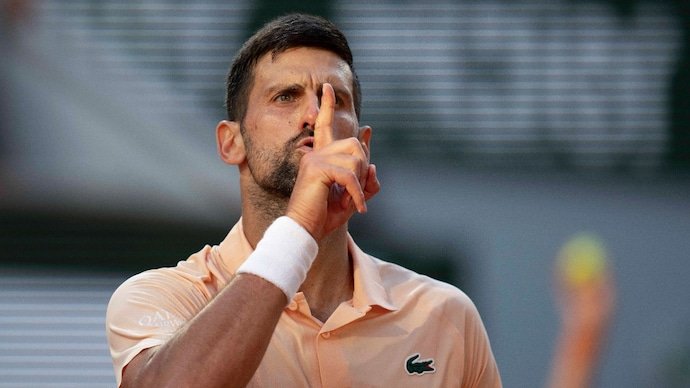
Few athletes in modern history possess the global influence of Novak Djokovic. With multiple Grand Slam titles, world No. 1 rankings and a career that has redefined tennis excellence, the Serbian superstar has long been one of the most recognizable figures in international sport. Yet in recent years, discussions about Djokovic have extended beyond tennis courts and championship trophies.
His public support for Serbia’s student protest movement placed him at the center of a national conversation about accountability, governance and civic participation. While athletes have traditionally been encouraged to avoid political or social controversies, Djokovic’s actions reflected a growing trend in global sport: high-profile athletes increasingly using their platforms to engage with issues affecting their societies.
The debate surrounding Djokovic’s support for students became one of the most closely watched examples of how sports icons can influence public discourse. It also raised broader questions about the responsibilities of famous athletes, the power of public opinion and the role of young people in shaping the future of democratic societies.
The Incident That Sparked Nationwide Anger
The roots of Serbia’s student movement can be traced to a tragedy that shocked the country. Public anger intensified after a fatal infrastructure disaster involving the collapse of a concrete canopy at the recently renovated Novi Sad railway station.
The incident led to widespread grief and prompted questions about construction standards, oversight mechanisms and accountability. As details surrounding the tragedy became a subject of public debate, student groups emerged as some of the most vocal voices demanding answers.
What initially began as mourning soon evolved into a broader movement focused on transparency, institutional responsibility and public accountability.
Student organizations across the country mobilized demonstrations, public gatherings and awareness campaigns, creating one of the most significant civic movements Serbia had witnessed in years.
Why Students Became the Face of the Movement
Throughout history, students have frequently played important roles during periods of social and political change.
Universities often serve as centers of discussion, debate and activism, making young people particularly influential during moments of national reflection.
In Serbia, students argued that the tragedy represented larger concerns about governance and public trust. Their demands focused on obtaining answers, improving transparency and ensuring that institutions remained accountable to citizens.
The movement gained momentum because it extended beyond a single event.
Many participants viewed the protests as part of a wider conversation about the future direction of the country and the responsibilities of public institutions.
This broader appeal helped attract support from different sections of society, including academics, professionals, artists and eventually some of the country’s most prominent public figures.
Novak Djokovic’s Entry into the Conversation
Djokovic’s involvement drew immediate attention because of his stature both within Serbia and internationally.
For many Serbians, he represents far more than a tennis champion. He is widely viewed as one of the country’s most successful global ambassadors, someone whose achievements have brought international recognition and pride.
When he expressed support for students and their right to be heard, the statement carried enormous symbolic weight.
His early comments focused on the importance of young people and education, emphasizing that students represented a vital part of Serbia’s future.
Rather than positioning himself as a political actor, Djokovic framed his support around the principles of dialogue, accountability and peaceful civic participation.
This distinction became a recurring feature of his public statements throughout the movement.
Why Athlete Activism Has Become More Common
Djokovic’s support for the student movement reflects a larger global trend.
Over the past two decades, athletes have increasingly spoken about social, cultural and political issues affecting their communities.
Several factors have contributed to this shift:
- Global social media reach
- Direct communication with fans
- Growing expectations for public engagement
- Increased awareness of social issues
- Recognition of athletes as influential public figures
Modern athletes are no longer viewed solely through the lens of sporting performance. Many are now expected to contribute to conversations that extend beyond their professional careers.
As a result, decisions about whether to speak out—or remain silent—often attract significant public attention.
The Symbolism Behind Djokovic’s Public Gestures
One reason Djokovic’s support generated so much discussion was the visibility of his actions.
From public messages to symbolic gestures during major tennis tournaments, his support became impossible to ignore.
In modern communication, symbolism often carries as much influence as direct statements.
A gesture performed by a globally recognized athlete can quickly reach millions of people across multiple countries and cultures.
These moments frequently become part of larger public conversations because they combine sport, identity and current events in ways that capture widespread attention.
For supporters of the student movement, Djokovic’s actions provided international visibility. For critics, they raised questions about whether athletes should become involved in sensitive national debates.
The Risks of Taking a Public Stand
Public support for controversial issues rarely comes without consequences.
When influential figures enter public debates, they often face criticism from individuals who disagree with their position.
Djokovic’s experience demonstrated this reality.
While many praised him for supporting students and encouraging accountability, others argued that sports figures should remain separate from contentious political discussions.
This tension is not unique to Serbia.
Athletes around the world frequently encounter similar reactions when speaking on social issues.
Their influence gives them a powerful platform, but it also subjects them to intense scrutiny.
The Relationship Between Sports and Society
The Djokovic story highlights an important reality: sports do not exist in isolation.
Athletes live within societies, experience the same national events as other citizens and often feel compelled to respond when significant issues emerge.
Throughout history, sporting figures have played roles in conversations about civil rights, education, equality, public policy and social reform.
As a result, debates about whether athletes should engage with public issues continue to evolve.
Some argue that athletes should focus exclusively on competition. Others believe that individuals with large platforms have a responsibility to contribute to discussions affecting their communities.
The differing perspectives ensure that such debates remain relevant whenever prominent sports stars take public positions.
How Djokovic Balanced Advocacy and Neutrality
One notable aspect of Djokovic’s approach was his effort to separate support for students from support for specific political organizations.
Throughout the movement, he consistently emphasized themes such as:
- Peaceful protest
- Dialogue
- Transparency
- Accountability
- Civic participation
By focusing on principles rather than party politics, he attempted to frame his position as support for democratic engagement rather than partisan conflict.
This approach allowed him to express solidarity with students while avoiding direct involvement in electoral or party-based disputes.
Why the Story Resonated Beyond Serbia
The international attention surrounding Djokovic’s support stemmed partly from his global popularity.
As one of the most successful tennis players in history, his actions naturally attract media coverage far beyond Serbia.
However, the story also resonated because it touched on universal themes.
Questions about accountability, youth engagement and civic participation are not limited to one country. Similar debates occur across democracies worldwide.
Consequently, observers in different nations viewed the developments through the lens of their own social and political experiences.
The result was a story that extended well beyond Serbian borders.
The Growing Influence of Student Movements Worldwide
Student-led movements have increasingly become influential forces in modern public discourse.
Young people often bring energy, organizational skills and long-term perspectives to public debates.
Advances in digital communication have also enhanced their ability to coordinate campaigns, share information and mobilize support.
| Factor | Impact on Modern Student Movements |
|---|---|
| Social Media | Faster communication and broader reach |
| University Networks | Efficient organization and mobilization |
| Digital Platforms | Global visibility for local issues |
| Youth Participation | Fresh perspectives and long-term focus |
| Public Awareness | Greater engagement with civic issues |
The Serbian movement became part of this broader global trend, illustrating how student activism continues to shape public conversations in the digital age.
What This Means for Novak Djokovic’s Legacy
Djokovic’s sporting legacy is already secure.
His achievements on the tennis court place him among the greatest players in the history of the sport. However, public figures are often remembered for more than their professional accomplishments.
How athletes respond during important moments can become a significant part of their broader legacy.
For supporters, Djokovic’s willingness to engage demonstrated courage and commitment to principles he considered important. For critics, it represented a departure from the traditional expectation that athletes remain outside contentious public debates.
Regardless of perspective, his involvement ensured that discussions about his influence extended beyond tennis statistics and championship records.
The Future of Athlete Activism
Djokovic’s experience may offer insight into the future relationship between sport and public discourse.
As athletes continue gaining direct access to audiences through digital platforms, their ability to shape conversations will likely increase.
Future generations of sports stars may face similar decisions about whether to use their influence to address issues affecting their communities.
The choices they make will continue generating debate about responsibility, influence and the role of public figures in modern society.
What remains clear is that athlete activism is no longer an occasional phenomenon. It has become a permanent part of the contemporary sporting landscape.
Conclusion
Novak Djokovic’s support for Serbia’s student protest movement transformed a national issue into an international discussion. By publicly backing students and emphasizing accountability, transparency and peaceful civic engagement, the tennis superstar demonstrated how influential athletes can shape public conversations beyond their sport.
The episode also highlighted broader themes that extend far beyond Serbia: the growing influence of student movements, the evolving role of athletes in society and the challenges that accompany public advocacy. While opinions remain divided on how much athletes should engage in social issues, Djokovic’s actions ensured that his voice became an important part of one of Serbia’s most significant public debates in recent years.
Ultimately, the story is not only about Novak Djokovic. It is about the intersection of sport, society and civic participation in an era where the influence of global athletes reaches far beyond stadiums and arenas.
For breaking news and live news updates, like us on Facebook or follow us on Twitter and Instagram. Read more on Latest Sports on thefoxdaily.com.






COMMENTS 0