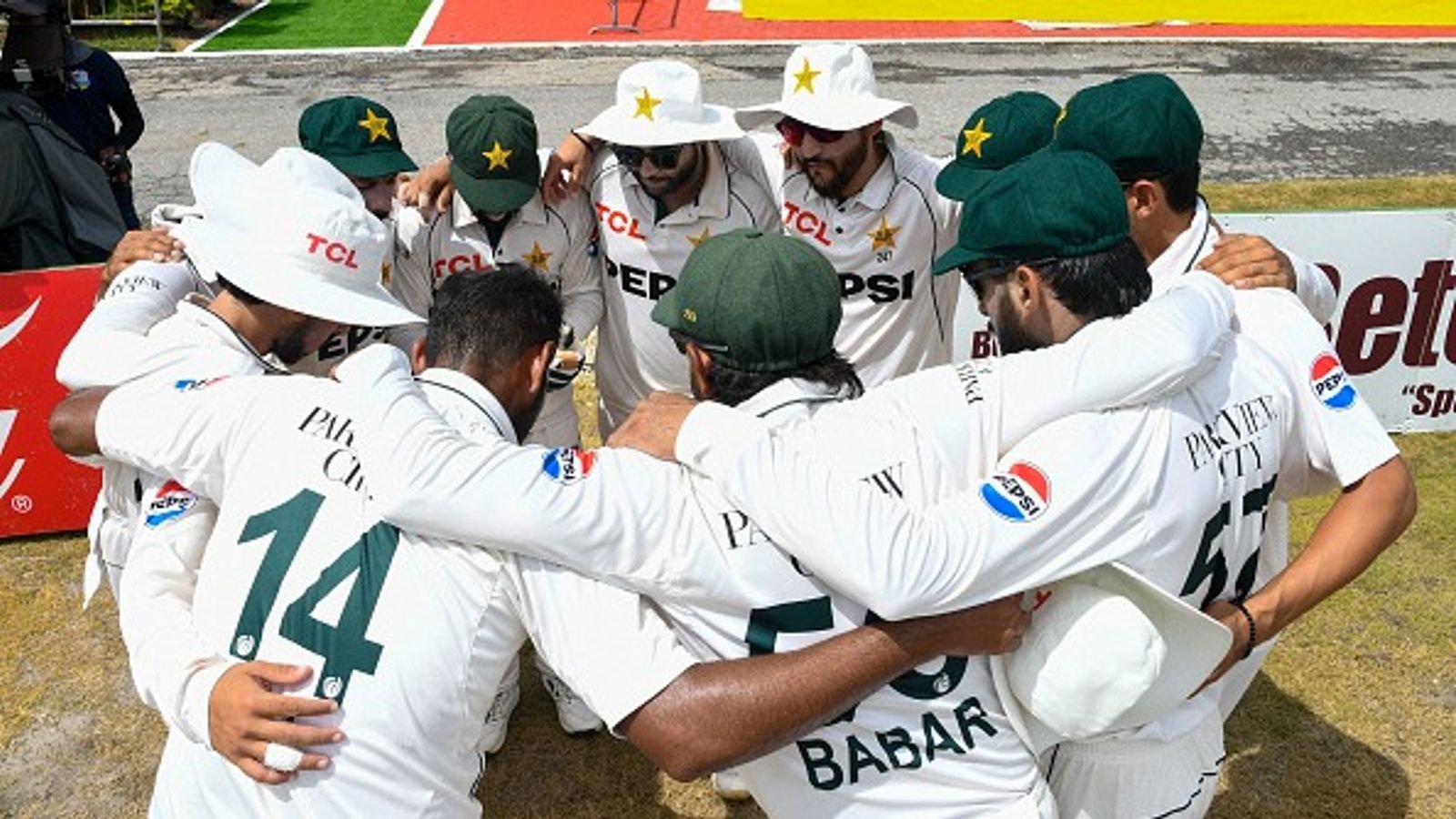
The Pakistan cricket Board (PCB) has taken a significant step toward addressing one of the team’s biggest weaknesses by appointing Michael Smith as Pakistan’s new batting coach. The 46-year-old South African will begin his tenure with Pakistan’s challenging three-Test tour of England later this month, joining head coach Sarfaraz Ahmed and bowling coach Umar Gul as part of the national team’s support staff.
The appointment comes at a crucial stage for Pakistan cricket. A series of batting collapses in recent Test matches, including disappointing performances against Bangladesh and the ongoing West Indies series, have exposed technical and mental shortcomings in the batting lineup. By bringing in a coach with experience across South Africa, Australia’s domestic circuit and the Pakistan Super League (PSL), PCB is signaling that rebuilding Pakistan’s batting is now a long-term priority rather than a short-term fix.
Why Michael Smith’s Appointment Matters
Pakistan have traditionally been known for producing gifted batters capable of dominating world cricket. However, consistency has become a recurring issue in recent years, especially in Test cricket. While individual brilliance has occasionally rescued innings, collective batting performances have frequently fallen short against disciplined bowling attacks.
Michael Smith arrives with a reputation for player development rather than headline-making achievements. His coaching journey has taken him through multiple domestic systems, allowing him to work with both experienced professionals and emerging talents. That background could prove particularly valuable for a Pakistan side currently balancing senior players with a new generation of cricketers.
Unlike specialist coaches who focus solely on technique, modern batting coaches are expected to improve decision-making, mental preparation, shot selection, game awareness and adaptability across different playing conditions. These are precisely the areas where Pakistan have struggled in recent Test matches.
Michael Smith’s Coaching Journey
Although Michael Smith may not be one of the biggest names in international coaching, his resume reflects steady growth across several competitive cricket environments.
- Worked with multiple Pakistan Super League franchises.
- Served as assistant coach for Multan Sultans during the 2026 PSL season.
- Held batting coaching responsibilities with Hobart Hurricanes.
- Worked within Tasmania’s domestic cricket structure.
- Provided coaching consultancy in South Africa’s domestic system, including KZN Inland and Eastern Province.
His familiarity with Pakistani players through the PSL may help him settle quickly into the national setup. Unlike overseas coaches arriving without prior exposure to Pakistan’s cricket culture, Smith already understands many of the players, conditions and expectations surrounding the national team.
Michael Smith’s Playing Career
Before moving into coaching, Smith enjoyed a respectable first-class career in South Africa. While he never represented South Africa internationally, his domestic record demonstrates extensive experience in longer formats.
| Format | Matches | Runs | Average | Highlights |
|---|---|---|---|---|
| First-Class | 89 | 4,867 | 33.10 | 9 centuries, 25 fifties |
| List A | – | 1,883 | Nearly 30 | 14 half-centuries |
| T20 | 15 innings | 279 | – | One fifty |
His playing experience in South African conditions—known for pace, bounce and seam movement—could become particularly useful as Pakistan prepare for another demanding Test tour of England, where similar challenges often await visiting batters.
Why Pakistan Needed a Dedicated Batting Coach
The appointment did not happen in isolation. Pakistan’s recent performances with the bat have raised several concerns among selectors, former players and supporters.
Repeated collapses have prevented the team from converting competitive positions into victories. The batting unit has often struggled once early wickets fall, while partnerships in pressure situations have become increasingly rare.
During the ongoing West Indies series, Pakistan again experienced inconsistent batting despite possessing several experienced players. Earlier disappointments against Bangladesh further highlighted technical issues against disciplined bowling.
Those performances contributed to Pakistan slipping to the bottom of the World Test Championship standings, increasing pressure on the coaching staff and selectors to introduce structural changes.
England Tour Presents an Immediate Challenge
Smith’s first assignment will hardly be an easy introduction.
England remains one of the toughest destinations for overseas batters. Swing bowling, changing weather conditions and extended spells from quality fast bowlers demand patience, sound defensive technique and disciplined shot selection.
Pakistan have historically produced memorable batting performances in England, but they have also endured dramatic collapses when conditions become difficult.
For Smith, the tour offers an immediate opportunity to assess players under pressure while implementing his methods in real match situations.
Players Who Could Benefit Most
Several members of Pakistan’s batting lineup stand to gain from Smith’s arrival.
Babar Azam
As captain and one of the world’s premier batters, Babar remains central to Pakistan’s Test ambitions. Even elite players continually refine their methods, particularly against moving deliveries in overseas conditions.
Abdullah Shafique
The elegant opener has shown the ability to score big hundreds but is still developing consistency. Technical guidance could help him become one of Pakistan’s long-term Test pillars.
Azan Awais
The young opener has already displayed encouraging signs. Working alongside an experienced batting coach early in his international career could accelerate his development.
Middle Order
Pakistan’s middle order has frequently faced pressure after early wickets. Better preparation against pace and spin, combined with improved situational awareness, may help stabilize innings more consistently.
Encouraging Signs from the West Indies Test
Despite losing the opening Test of the series, Pakistan showed encouraging batting improvements during the second Test.
Young opener Azan Awais contributed a composed half-century before Abdullah Shafique capitalized on his opportunity with an impressive century after replacing the injured Shan Masood. Captain Babar Azam also produced another composed innings, helping Pakistan build one of their strongest partnerships of the series.
Although one strong performance does not erase previous batting concerns, it demonstrates that the squad possesses enough talent to compete effectively when partnerships are built patiently.
Beyond Technique: The Mental Side of Batting
Modern Test cricket is as much a psychological contest as it is a technical one.
Batters now face detailed analytical data, sophisticated bowling plans and relentless pressure across five days. Successful batting coaches therefore spend considerable time improving players’ decision-making, confidence and match awareness.
Building long innings requires discipline, emotional control and the ability to leave deliveries outside off stump—qualities that often separate successful overseas tours from disappointing ones.
If Smith can improve these mental aspects alongside technical corrections, Pakistan could become a far more resilient batting side.
How This Appointment Fits PCB’s Long-Term Vision
Offering Smith a two-year contract suggests PCB is looking beyond immediate results.
Rather than evaluating success solely through one overseas series, the board appears to be investing in continuity. Stable coaching structures often allow players to build trust, develop consistent routines and implement long-term improvements.
Frequent changes in coaching personnel can interrupt player development. A longer contract provides Smith with enough time to establish systems, monitor progress and prepare future generations of Pakistan batters.
Comparison With Modern International Coaching Structures
Leading cricket nations increasingly rely on specialized coaching roles instead of expecting one head coach to oversee every department.
Dedicated batting, bowling, fielding, strength and conditioning, mental performance and analytical coaches have become standard across elite international teams.
Pakistan’s decision aligns with this global trend by assigning clear responsibility for batting improvement to a specialist coach.
Such specialization allows players to receive focused feedback while enabling the head coach to concentrate on broader tactical planning and team management.
Key Priorities for Michael Smith
- Improve batting consistency across both innings.
- Reduce collapses under pressure.
- Strengthen opening partnerships.
- Develop younger batters alongside senior players.
- Prepare the squad for challenging overseas conditions.
- Build confidence against high-quality pace attacks.
- Create sustainable batting systems for future Test cycles.
Can One Coach Transform Pakistan’s Batting?
No single appointment guarantees immediate success. Cricket remains a player-driven sport where execution ultimately determines results.
However, experienced coaches can significantly influence preparation, confidence, tactical awareness and technical consistency over time. Many of the world’s strongest batting lineups have benefited from stable coaching environments that prioritize long-term development instead of short-term reactions.
For Pakistan, Smith’s greatest contribution may not be a dramatic turnaround within weeks but the gradual creation of a batting culture built on patience, adaptability and consistency.
Conclusion
The appointment of Michael Smith as Pakistan’s batting coach represents one of PCB’s most important coaching decisions in recent years. Arriving ahead of a demanding England Test tour, the South African inherits a talented but inconsistent batting group searching for greater reliability.
His extensive coaching experience across domestic cricket, the PSL and Australian franchises provides him with a diverse understanding of player development, while his familiarity with Pakistani cricketers should help accelerate the transition into the national setup.
Whether Pakistan immediately improves in England remains to be seen, but the decision to appoint a dedicated batting coach on a two-year contract reflects a broader commitment to strengthening the team’s red-ball future. If Smith succeeds in improving both technique and mentality, this appointment could prove to be an important turning point in Pakistan’s journey back toward becoming one of Test cricket’s most formidable batting sides.
For breaking news and live news updates, like us on Facebook or follow us on Twitter and Instagram. Read more on Latest Sports on thefoxdaily.com.






COMMENTS 0