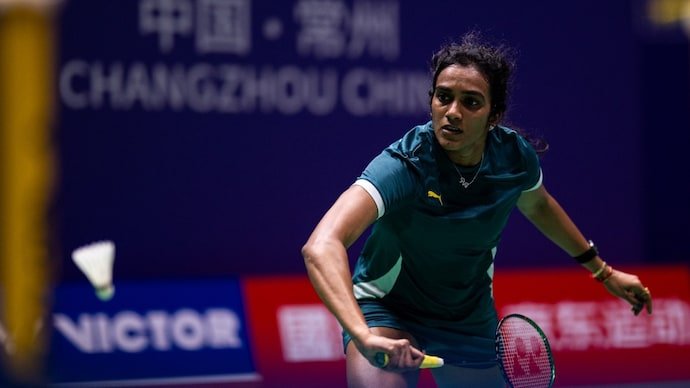
PV Sindhu‘s exit from the China Open 2026 may have come after a fiercely contested three-game encounter against China’s Chen Yufei, but the Indian star ensured the conversation would extend beyond the scoreboard. Shortly after her defeat, Sindhu publicly highlighted what she viewed as an imbalance in match scheduling, drawing attention to the difference in recovery time available to competing players.
The issue has reignited a long-running debate in professional Badminton: how much does recovery time influence performance at the highest level, and should tournament organizers do more to ensure competitive fairness?
While elite athletes are expected to handle demanding schedules, modern badminton has become faster, more physical, and more demanding than ever before. As a result, recovery has evolved from a luxury into a critical component of performance.
PV Sindhu vs Chen Yufei: A Match That Was Decided by Fine Margins
The second-round clash between PV Sindhu and Chen Yufei lived up to expectations, featuring two of the sport’s most accomplished players battling for a place in the quarterfinals.
Sindhu entered the match carrying momentum after ending her title drought with a significant triumph at the Japan Open. Confidence levels were high, and her performance for much of the contest suggested another deep run was possible.
The match itself was a showcase of elite women’s badminton, with momentum shifting repeatedly between the two competitors.
| Match Summary | Result |
|---|---|
| First Game | Sindhu won 21-16 |
| Second Game | Chen won 22-20 |
| Third Game | Chen won 21-18 |
| Match Duration | Nearly 90 minutes |
What makes the defeat particularly painful from Sindhu’s perspective is how close she came to victory. She held four match points in the second game and appeared to be on course for a straight-games win before Chen produced a remarkable comeback.
Matches decided by such narrow margins inevitably raise questions about every factor that could have influenced the outcome, including preparation, fitness, and recovery.
What Exactly Did PV Sindhu Say About the Scheduling?
Following the match, Sindhu used social media to draw attention to the difference in turnaround time between players.
Her comments carried a tongue-in-cheek tone, but the message was clear. She pointed out that she had approximately 16 hours between matches, while her opponent benefited from a significantly longer recovery period.
Rather than directly attacking tournament officials, Sindhu framed her criticism around the broader principle of fairness.
The underlying question was simple: if recovery is considered important for athlete welfare and performance, should all players receive similar opportunities to recover whenever possible?
The remarks quickly gained attention among badminton fans, analysts, and former players, many of whom have previously raised concerns about scheduling demands on athletes competing in back-to-back tournaments.
Why Recovery Time Matters More Than Ever in Elite Badminton
To casual viewers, a difference of several hours may not appear significant. However, at the highest level of sport, recovery can be the difference between victory and defeat.
Modern badminton places extraordinary demands on the body. Elite players regularly cover large distances during rallies, perform explosive directional changes, and maintain intense concentration for extended periods.
Recovery between matches typically involves:
- Muscle repair and regeneration.
- Hydration and nutritional recovery.
- Sleep and neurological restoration.
- Treatment for minor injuries and soreness.
- Tactical preparation for the next opponent.
- Mental recovery from competitive stress.
Even a few additional hours can provide athletes with valuable opportunities to restore energy levels and prepare physically and mentally for another high-intensity contest.
The Growing Challenge of the International Badminton Calendar
Sindhu’s comments also highlight a broader issue facing professional badminton.
The global badminton calendar has become increasingly crowded. Players regularly travel between countries, continents, and time zones while competing in multiple high-level tournaments within short periods.
This creates a difficult balancing act for organizers.
On one hand, tournaments must fit within broadcasting windows, venue availability, and commercial commitments. On the other hand, athletes need sufficient recovery time to perform at their best.
The challenge becomes even greater when events attract large fields and matches must be completed within a limited timeframe.
As badminton continues expanding globally, scheduling controversies may become increasingly common unless governing bodies develop more standardized recovery guidelines.
How the Match Unfolded: The Turning Point That Changed Everything
For much of the contest, Sindhu appeared to be in control.
After recovering from an early deficit in the opening game, she produced one of her most impressive stretches of badminton by winning five consecutive points to secure the first game.
That surge demonstrated many of the qualities that have defined her career:
- Resilience under pressure.
- Strong defensive coverage.
- Ability to raise intensity during crucial moments.
- Tactical adaptability against elite opponents.
The pivotal moment arrived in the second game.
Leading 20-16 and holding four match points, Sindhu stood one point away from victory on multiple occasions. Yet Chen Yufei showcased why she remains one of the world’s most dangerous competitors, winning six straight points to steal the game.
Momentum shifted dramatically after that sequence.
While Sindhu continued to fight in the decider, Chen’s confidence grew, and the Chinese star ultimately produced her best badminton when it mattered most.
Chen Yufei’s Comeback Demonstrates Championship Mentality
Although the scheduling debate has dominated headlines, it should not overshadow Chen Yufei’s performance.
Saving four match points against a player of Sindhu’s caliber requires exceptional composure.
The Olympic champion demonstrated elite mental strength by refusing to panic when facing elimination. Instead, she trusted her game plan, increased her attacking intent, and gradually turned the match in her favor.
Championship-level athletes are often defined by how they respond during critical moments, and Chen’s comeback serves as another example of her ability to perform under pressure.
Could Recovery Time Have Influenced the Outcome?
This is the question many fans are asking.
The honest answer is that it is impossible to determine with certainty.
Professional sports rarely produce outcomes driven by a single factor. Matches are influenced by tactics, form, fitness, confidence, execution, and countless other variables.
However, recovery time undeniably affects physical readiness.
When a match lasts nearly 90 minutes and includes numerous long rallies, fatigue becomes a legitimate consideration.
Whether the scheduling difference directly changed the result cannot be proven. What can be said is that athletes generally benefit from additional recovery opportunities, particularly during physically demanding tournaments.
A Common Issue Across Professional Sports
The concerns raised by Sindhu are not unique to badminton.
Across professional sports, athletes frequently question scheduling decisions that create unequal rest periods.
| Sport | Common Scheduling Concern |
|---|---|
| Badminton | Unequal recovery between rounds |
| Tennis | Late-night finishes before next matches |
| Basketball | Back-to-back games and travel demands |
| Cricket | Tight international schedules across formats |
| Football | Fixture congestion during major competitions |
The recurring nature of these debates suggests that sports organizations worldwide continue searching for the right balance between commercial requirements and athlete welfare.
What Sindhu’s Comments Reveal About Athlete Advocacy
Another important aspect of this story is the growing willingness of athletes to speak openly about structural issues within their sports.
Previous generations often accepted scheduling decisions without public comment. Today’s athletes are increasingly comfortable discussing concerns related to workload, travel, recovery, and competitive fairness.
This shift reflects a broader trend in professional sports where players are becoming active stakeholders rather than passive participants.
Sindhu’s remarks fit within that larger movement.
By raising the issue publicly, she has encouraged a wider conversation about how tournaments are organized and whether current systems adequately prioritize player welfare.
What This Means for PV Sindhu’s 2026 Season
Despite the disappointment of her China Open exit, there are several positive signs for Sindhu moving forward.
Most importantly, her recent performances indicate that she has regained confidence and rhythm after a challenging period.
The Japan Open title demonstrated her ability to compete with the world’s best players, while her performance against Chen Yufei showed she remains capable of pushing elite opponents to the limit.
At 30 years old, Sindhu continues to blend experience with high-level athleticism. That combination could prove valuable as the season progresses toward major international events.
Rather than focusing solely on the defeat, her team will likely view the tournament as another step in building consistency against top-ranked opponents.
Could Badminton Introduce More Standardized Recovery Rules?
The discussion generated by Sindhu’s comments raises an intriguing possibility.
As athlete welfare becomes a bigger priority across global sports, governing bodies may eventually explore more structured recovery guidelines.
Potential approaches could include:
- Minimum recovery windows between matches.
- Greater scheduling transparency.
- More balanced distribution of match times.
- Enhanced consideration of player workload.
- Technology-driven scheduling optimization.
While implementing such measures would be complex, the growing attention on athlete health suggests these conversations are unlikely to disappear.
The Bigger Picture: Why This Story Extends Beyond One Match
At first glance, this may appear to be a post-match reaction from a disappointed player. In reality, the issue touches on some of the most important questions facing modern sport.
How should tournaments balance fairness with logistical realities? How much recovery should athletes receive between matches? And how can organizations protect player welfare without compromising competition?
These are challenges not only for badminton but for nearly every major sport around the world.
That is why Sindhu’s comments have resonated beyond the immediate result.
They reflect an ongoing conversation about how elite competition should evolve in an era where performance margins are increasingly small and physical demands continue to rise.
Conclusion: PV Sindhu’s Scheduling Remarks Spark an Important Debate
PV Sindhu’s China Open 2026 campaign ended with a narrow defeat to Chen Yufei, but the aftermath has generated a discussion that extends far beyond one tournament match. Her concerns about recovery time have highlighted a broader issue that many athletes across sports continue to face.
The match itself showcased the highest level of badminton, with Chen producing a remarkable comeback and Sindhu demonstrating the form that recently carried her to a major title. Yet the scheduling controversy has ensured that attention remains focused on questions of fairness, athlete welfare, and tournament management.
Whether changes ultimately emerge from this debate remains uncertain. What is clear, however, is that recovery has become an increasingly important factor in modern badminton, and athletes are more willing than ever to speak openly when they believe competitive conditions are uneven.
As the sport continues to grow, conversations like these may play a crucial role in shaping how future tournaments are organized and how elite players are supported throughout demanding international schedules.
For breaking news and live news updates, like us on Facebook or follow us on Twitter and Instagram. Read more on Latest Sports on thefoxdaily.com.






COMMENTS 0