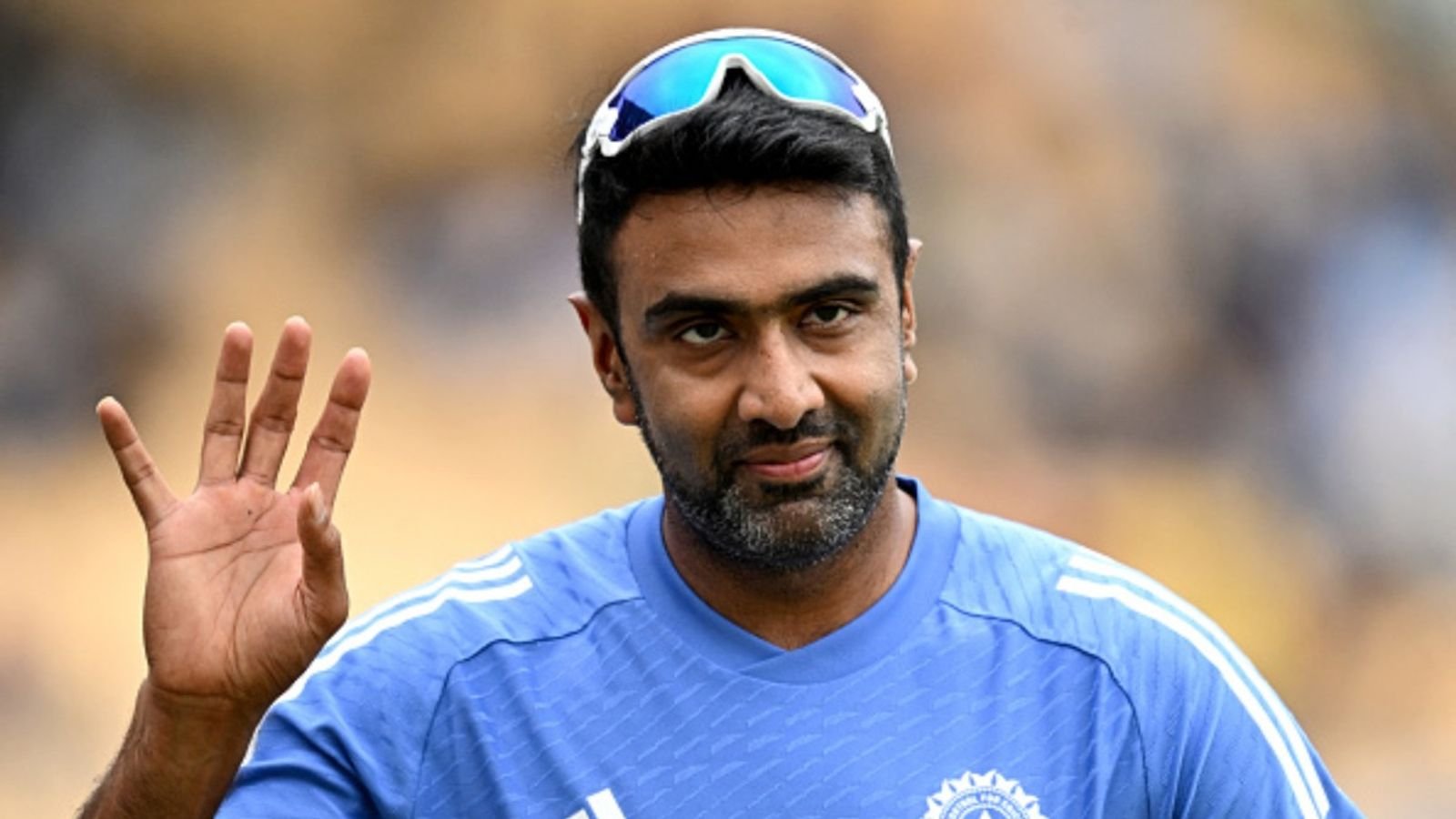
Indian cricket has never lacked talent, competition, or passionate debate. Yet some of the most important challenges facing a successful team are not tactical or technical—they are human. Former India off-spinner Ravichandran Ashwin has brought one such issue into the spotlight by speaking candidly about how senior cricketers can be made to feel “unwanted” by team management during the latter stages of their careers.
His comments come amid growing speculation surrounding Rohit Sharma’s future in One-Day International cricket and whether the Indian captain remains part of the long-term plans leading to the 2027 ODI World Cup. While the discussion initially centered on Rohit’s form and age, Ashwin’s observations have shifted the focus toward something deeper: the importance of transparency and communication between management and players.
The debate is no longer simply about who will play the next World Cup. It is about how one of the world’s most successful cricket systems handles its biggest stars when difficult decisions need to be made.
Why Ashwin’s Comments Have Resonated Across Cricket
Ashwin’s remarks stand out because they are rooted in personal experience. Unlike external observers or former players speculating from afar, Ashwin has recently gone through the emotional and professional realities that many senior cricketers face.
His central argument is straightforward: players can accept difficult decisions, but uncertainty can be far more damaging than an honest conversation.
According to Ashwin, once a player begins to feel that the management no longer sees them as part of the future, performance often suffers. Confidence declines, motivation becomes harder to sustain, and the dressing-room environment can become emotionally exhausting.
This perspective offers a rare glimpse into the psychological side of elite sport—a side that statistics and scorecards rarely reveal.
The Rohit Sharma Retirement Debate: Why It Matters
Rohit Sharma remains one of the most accomplished white-ball cricketers in modern history. His record includes multiple ICC tournaments, World Cup campaigns, leadership responsibilities, and countless match-winning performances.
Yet as the cricket calendar moves closer to the 2027 ODI World Cup, questions about age, workload, and succession planning have become increasingly prominent.
The debate reflects a challenge faced by every major sporting nation: deciding when to transition from legendary players to the next generation.
For India, the decision is particularly complex because replacing a player like Rohit involves more than filling a position in the batting order. It means replacing leadership experience, tactical awareness, dressing-room influence, and the ability to perform under immense pressure.
The Hidden Psychological Battle Senior Cricketers Face
Physical fitness and form are often discussed when evaluating veteran players, but the psychological dimension receives far less attention.
Ashwin’s comments highlight how uncertainty can affect performance in several ways:
- Reduced confidence and self-belief.
- Fear of making mistakes.
- Difficulty focusing on performance.
- Emotional stress and anxiety.
- Loss of connection with team goals.
Elite athletes operate in environments where confidence can significantly influence results. Even minor doubts can impact decision-making, reaction times, and overall performance.
When players begin to feel excluded from future plans, those doubts can multiply rapidly.
Why Communication Is Becoming a Major Leadership Issue in Cricket
Modern cricket has evolved dramatically over the past decade. Teams now rely heavily on data analytics, workload management, performance metrics, and long-term planning.
While these tools help organizations make informed decisions, they can sometimes create distance between management and players.
Ashwin’s comments suggest that communication may be just as important as selection strategy.
Players often accept being dropped, rested, or phased out if they understand the reasoning behind the decision. Problems typically arise when there is uncertainty, mixed messaging, or prolonged speculation.
Clear communication allows players to make informed decisions about their careers, training programs, and future ambitions.
Lessons From Ashwin’s Own Experience
One reason Ashwin’s observations have attracted attention is that they stem from a period of personal disappointment and reflection.
The former off-spinner described feeling disconnected from the team’s plans during a major overseas tour despite having delivered significant performances not long before.
His experience reflects a common reality in professional sport: past achievements do not always guarantee future opportunities.
However, Ashwin argues that players deserve clarity about where they stand.
His position is not necessarily that veteran players should always be retained. Instead, he believes they should receive honest communication about their role and future.
That distinction is critical because it transforms the conversation from selection policy to leadership culture.
Should India Build Around Youth or Experience for the 2027 ODI World Cup?
The discussion surrounding Rohit Sharma and Virat Kohli ultimately connects to a broader strategic question.
How much should India prioritize youth versus experience ahead of the next World Cup?
| Approach | Advantages | Challenges |
|---|---|---|
| Experienced Core | Leadership, composure, tournament experience | Age and long-term planning concerns |
| Youth-Focused Team | Fresh energy, future development | Lack of major tournament experience |
| Balanced Approach | Combines experience and emerging talent | Requires careful squad management |
Historically, successful World Cup-winning teams have often relied on a balance between established veterans and rising stars.
India’s challenge will be determining the right mix while ensuring transitions occur smoothly.
Why South Africa 2027 Could Favor Experienced Players
Ashwin has argued that Rohit Sharma and Virat Kohli could still play significant roles in the 2027 ODI World Cup.
His reasoning extends beyond reputation.
South African conditions traditionally present unique challenges, including pace, bounce, movement, and varying pitch characteristics. Such environments often reward players with extensive international experience.
Veteran cricketers tend to possess a deeper understanding of how to adapt to changing match situations, particularly in knockout tournaments where pressure can overwhelm less experienced players.
That does not guarantee selection, but it strengthens the argument that experience remains a valuable asset.
The Global Sports Comparison: India Is Not Alone
The issue raised by Ashwin is not unique to cricket.
Football, basketball, tennis, rugby, and Olympic sports have all witnessed similar debates involving legendary athletes nearing the end of their careers.
Some organizations handle transitions effectively through transparent communication and succession planning. Others struggle, leading to public controversies, dressing-room tensions, and damaged relationships.
The most successful teams often treat veteran players with honesty while simultaneously preparing future replacements.
This balance allows organizations to evolve without creating unnecessary friction.
A Unique Insight: The Real Challenge Is Not Retirement—It’s Transition Management
One overlooked aspect of the current debate is that retirement itself is rarely the biggest challenge.
Most elite athletes understand that their careers will eventually end.
The greater challenge is managing the transition period between being an indispensable player and becoming a former player.
During this phase, athletes must adapt to changing roles, reduced certainty, and increased scrutiny. At the same time, management must balance respect for past contributions with future planning.
Organizations that handle this process well often maintain strong cultures and positive relationships with former stars.
Those that fail can create unnecessary controversy and emotional strain.
What Ashwin’s Comments Reveal About Modern Cricket Leadership
Ashwin’s observations highlight an increasingly important reality: leadership in modern cricket extends beyond match tactics and selection decisions.
Coaches, captains, and administrators are also responsible for managing emotions, expectations, and communication.
In an era where every decision is analyzed publicly, leadership requires both strategic vision and interpersonal skill.
The ability to have difficult conversations respectfully may be just as valuable as identifying the next batting prodigy or bowling talent.
What Could Happen Next for Rohit Sharma and Virat Kohli?
At present, speculation continues regarding India’s long-term plans, but no definitive conclusion has emerged.
Several scenarios remain possible:
- Both Rohit Sharma and Virat Kohli continue through the 2027 ODI World Cup cycle.
- One of the veterans steps aside before the tournament.
- India gradually transitions leadership while retaining experienced players.
- A performance-based approach determines future selection.
The eventual outcome will depend on form, fitness, team requirements, and strategic planning over the next year.
What remains clear is that communication will play a major role in shaping how these decisions are received.
Conclusion
Ravichandran Ashwin’s comments have transformed a routine retirement discussion into a broader conversation about leadership, respect, and transparency in Indian cricket. His central message is simple yet powerful: senior players can handle difficult truths, but uncertainty can be far more damaging.
As India prepares for the future and evaluates its plans for the 2027 ODI World Cup, the debate surrounding Rohit Sharma and Virat Kohli will continue. However, the larger lesson may be that successful teams are built not only on talent and strategy but also on honest communication and mutual trust.
Whether Rohit Sharma remains part of India’s World Cup plans or not, Ashwin’s remarks have highlighted an issue that every sporting organization eventually faces—how to honor the past while preparing for the future.
For breaking news and live news updates, like us on Facebook or follow us on Twitter and Instagram. Read more on Latest Sports on thefoxdaily.com.






COMMENTS 0