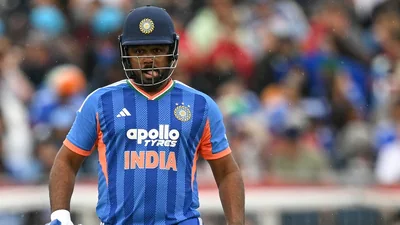
The Board of Control for Cricket in India (BCCI) has unveiled India’s squad for the upcoming T20I series against Zimbabwe, and the biggest headline is undoubtedly the omission of Sanju Samson. The experienced wicketkeeper-batter has been left out of the squad, while young batting prodigy Vaibhav Sooryavanshi continues to receive backing from the selectors.
The decision offers valuable insight into India’s evolving T20 strategy as the team begins building towards future ICC tournaments. Rather than prioritizing established names, the selectors appear increasingly focused on investing in youth, versatility, and players capable of serving Indian cricket over the long term.
With Shreyas Iyer continuing as captain and Tilak Varma retaining the vice-captaincy role, the squad reflects a blend of emerging talent and experienced performers as India prepares for another important international assignment.
India Squad for Zimbabwe T20I Series
The selectors have largely retained the core group from recent T20I assignments while introducing a few strategic changes.
| Role | Players |
|---|---|
| Captain | Shreyas Iyer |
| Vice-Captain | Tilak Varma |
| Batters | Vaibhav Sooryavanshi, Abhishek Sharma, Tilak Varma, Rinku Singh |
| Wicketkeepers | Ishan Kishan, Prabhsimran Singh |
| All-Rounders | Shivam Dube, Suryansh Shedge, Harsh Dubey |
| Spinners | Varun Chakravarthy |
| Pacers | Prince Yadav, Yash Thakur, Ashok Sharma, Mayank Yadav |
Why Sanju Samson’s Omission Is the Biggest Talking Point
Whenever Sanju Samson is excluded from an Indian squad, debate inevitably follows.
Few players in modern Indian cricket have generated as much discussion regarding selection decisions. Samson has consistently demonstrated his batting talent across formats and has often delivered memorable performances in domestic and franchise cricket.
However, international cricket is increasingly driven by role clarity rather than reputation alone.
The selectors appear to have made a strategic choice based on squad balance and future planning rather than past achievements.
With Ishan Kishan and Prabhsimran Singh already covering the wicketkeeping responsibilities, there may simply have been limited room for another specialist keeper-batter.
What the Decision Says About India’s T20 Vision
The retention of Vaibhav Sooryavanshi may reveal more about India’s future plans than Samson’s omission.
Indian cricket has entered a phase where identifying and nurturing the next generation has become a major priority.
The management appears willing to provide extended opportunities to young players rather than making reactive changes after every series.
This approach has several advantages:
- Allows emerging players to gain international experience.
- Provides continuity within the squad.
- Helps management evaluate talent over a larger sample size.
- Builds depth for future ICC tournaments.
- Reduces overreliance on senior players.
By persisting with Sooryavanshi, selectors are signaling confidence in his long-term potential.
Vaibhav Sooryavanshi Continues to Attract Attention
Few young cricketers have generated as much excitement recently as Vaibhav Sooryavanshi.
His rise through the cricketing ranks has attracted attention because of both his age and his attacking style of play.
Modern T20 cricket increasingly rewards fearless batting, power-hitting ability, and adaptability against high-quality bowling attacks.
Selectors appear to believe Sooryavanshi possesses many of those attributes.
Retaining him despite intense competition suggests the management sees him as more than a short-term prospect.
The Shreyas Iyer Era Continues
Despite India’s recent struggles in overseas conditions, the selectors have maintained faith in Shreyas Iyer’s leadership.
The decision is significant because it demonstrates stability during a period of transition.
Captaincy changes often create uncertainty, but India appears committed to giving Iyer sufficient time to implement his vision.
Backing a captain through challenging periods is often crucial for long-term success.
Frequent leadership changes rarely produce sustainable results.
Tilak Varma’s Growing Importance
Another notable aspect of the squad is the continued elevation of Tilak Varma.
Retaining the vice-captaincy reflects the confidence that selectors and team management have in his abilities.
Beyond his batting contributions, Tilak is increasingly viewed as part of India’s leadership group.
At a relatively young age, he represents the next generation of players expected to shape Indian cricket over the coming decade.
India’s Wicketkeeping Competition Remains Fierce
The battle for wicketkeeping spots in India’s white-ball teams remains one of the most competitive selection races in world cricket.
| Player | Primary Strength |
|---|---|
| Ishan Kishan | Aggressive top-order batting |
| Prabhsimran Singh | Powerplay attacking approach |
| Sanju Samson | Stroke-making and experience |
| Other Emerging Options | Future squad depth |
With multiple players competing for limited spots, even established performers can find themselves outside the squad.
This reflects the depth currently available in Indian cricket rather than a lack of talent.
Zimbabwe Series Provides a Valuable Opportunity
While some may view the Zimbabwe tour as a relatively low-profile assignment, it offers significant value for team management.
Series like these allow selectors and coaches to:
- Evaluate young players in international conditions.
- Test different batting combinations.
- Develop leadership depth.
- Assess bowling resources.
- Prepare for larger tournaments.
For emerging players such as Sooryavanshi, these opportunities can be career-defining.
The Bowling Unit Signals India’s Future Direction
The selected pace attack reflects India’s continued emphasis on speed, athleticism, and wicket-taking potential.
Players like Mayank Yadav and Prince Yadav represent a new generation of fast bowlers capable of troubling opposition batters with pace and aggression.
Meanwhile, Varun Chakravarthy provides mystery-spin options that remain valuable in modern T20 cricket.
The combination suggests India is prioritizing attacking cricket rather than conservative strategies.
Unique Insight: This Squad Reflects a Generational Shift
Perhaps the most important takeaway from the squad announcement is what it reveals about Indian cricket’s broader direction.
The selection is not simply about Zimbabwe.
It is about the next three to five years.
Teams that consistently dominate world cricket are usually those willing to make difficult decisions before they become unavoidable.
By investing in younger players now, India is attempting to ensure a smoother transition between generations.
Such decisions may occasionally prove unpopular, but they often form the foundation of future success.
Can Vaibhav Sooryavanshi Justify the Faith?
The spotlight will inevitably fall on Sooryavanshi during the series.
Whenever a young player is retained ahead of established names, expectations rise significantly.
The challenge for the youngster will be to focus on performance rather than external pressure.
Selectors have already demonstrated faith in his abilities. The next step is converting potential into consistent international performances.
Zimbabwe presents an ideal platform to continue that development.
What This Means for Sanju Samson’s Future
Being left out of one squad does not necessarily indicate the end of a player’s international career.
Modern cricket schedules are packed with opportunities across formats, and strong performances in domestic competitions or franchise leagues can quickly alter selection discussions.
Samson remains a highly talented cricketer with the ability to force his way back into contention.
However, the competition for places has never been more intense.
Future opportunities may depend on both his performances and the evolving needs of the team.
Conclusion
India’s squad for the Zimbabwe T20I series reflects a clear strategic direction. While Sanju Samson’s omission will dominate headlines, the bigger story may be the selectors’ commitment to building for the future.
The continued backing of Vaibhav Sooryavanshi, the leadership trust placed in Shreyas Iyer and Tilak Varma, and the emphasis on emerging talent all point toward a long-term vision rather than short-term experimentation.
For Sooryavanshi, the series offers an opportunity to justify the confidence shown by the selectors. For Samson, it serves as another reminder of the fierce competition that defines modern Indian cricket.
As India begins its Zimbabwe campaign, the results will matter—but the development of the next generation may ultimately prove even more important.
For breaking news and live news updates, like us on Facebook or follow us on Twitter and Instagram. Read more on Latest Sports on thefoxdaily.com.






COMMENTS 0