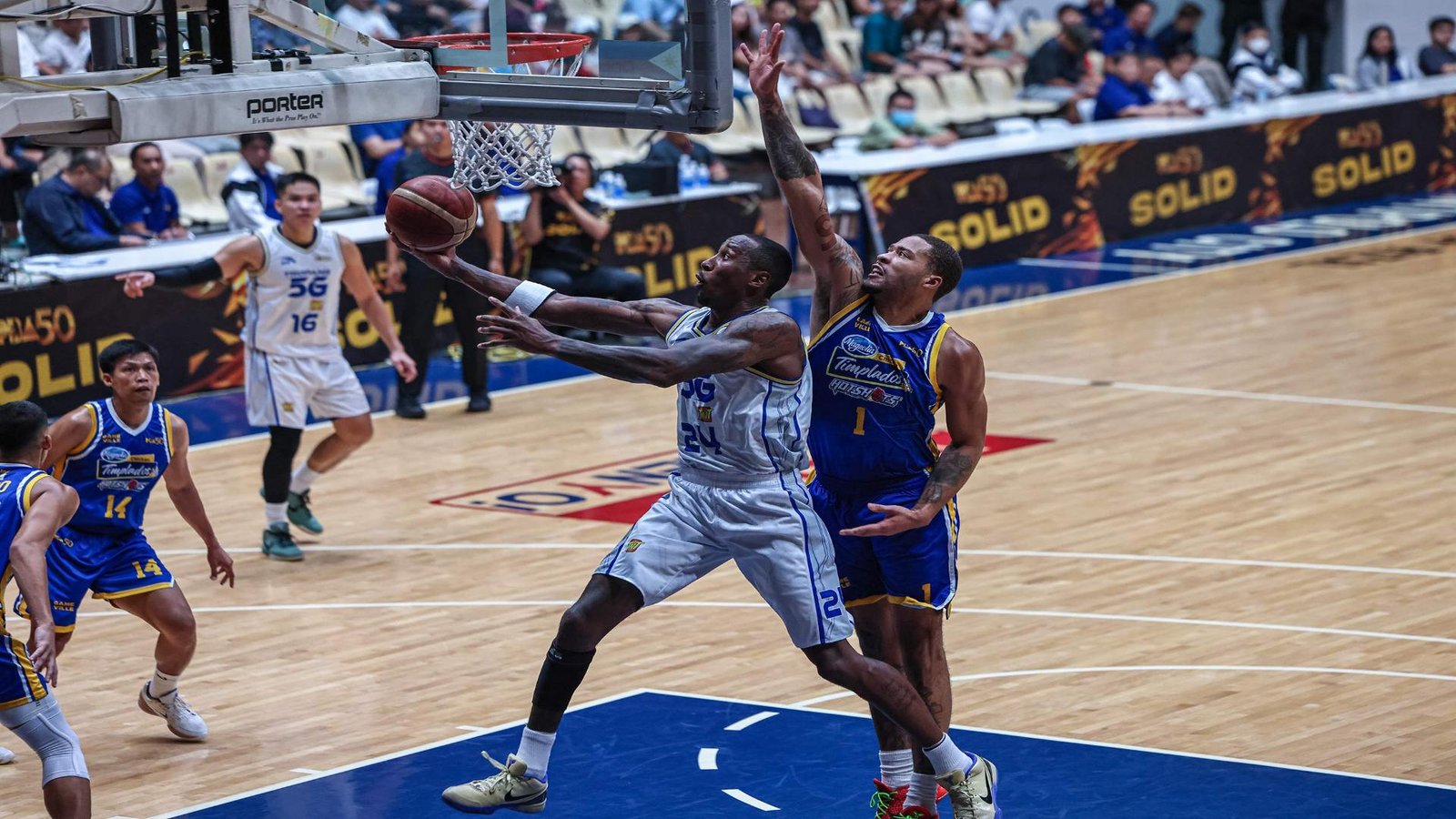
Magnolia entered Game 1 of its PBA Season 50 Governors’ Cup quarterfinal series riding a six-game winning streak and looking like one of the conference’s most dangerous teams. However, TNT Tropang 5G quickly exposed weaknesses in the Hotshots’ offense, delivering a commanding 92-70 victory at the Ynares Center in Antipolo on Sunday.
The defeat was a frustrating setback for Magnolia, which struggled to generate its usual offensive rhythm against a disciplined TNT defense. Rather than relying on one major tactical adjustment, the Tropang 5G executed a series of calculated defensive decisions that disrupted Magnolia’s preferred plays and forced its secondary options to take responsibility.
TNT also attacked Magnolia’s defensive weaknesses at the other end, targeting mismatches and using ball screens to create scoring opportunities. The result was a comprehensive Game 1 performance that left the Hotshots with several tactical questions to answer before the next matchup.
TNT Disrupts Magnolia’s Ball-Screen Offense
One of TNT’s primary defensive objectives was to limit the effectiveness of Magnolia’s ball-screen offense, particularly the actions initiated by Jerom Lastimosa. The Hotshots rely on these situations to create driving lanes, connect with rolling big men and open opportunities for teammates around the perimeter.
TNT refused to allow Lastimosa to operate comfortably. The Tropang 5G frequently used aggressive hedges and occasional double-team pressure to force the ball-handler to release the ball early. Instead of allowing him to turn the corner, attack the basket or make a decision with the defense spread out, TNT challenged Magnolia’s supporting players to create offense themselves.
The strategy changed the nature of the Hotshots’ possessions. Rather than allowing their primary action to develop naturally, TNT forced Magnolia to make quicker decisions and find alternative ways to generate quality shots.
The approach also reflected TNT’s willingness to accept certain risks. By concentrating on disrupting the ball-handler, the defense could leave selected perimeter players with opportunities to shoot, trusting its rotations and communication to prevent those openings from becoming easy baskets.
That calculated gamble proved effective throughout the game. Magnolia struggled to punish TNT from long range, finishing just 3-for-26 from beyond the three-point arc. The poor shooting reflected the difficulty the Hotshots experienced in finding a consistent offensive rhythm against a defense that repeatedly disrupted their first option.
Chot Reyes Praises TNT’s Defensive Communication
TNT head coach Chot Reyes credited his players for executing the defensive plan with discipline and attention to detail. For Reyes, the performance was not simply about applying pressure to Magnolia’s ball-handlers; it was also about ensuring that every player understood his responsibilities and communicated effectively throughout each possession.
Reyes highlighted three important elements of the Tropang 5G’s defensive approach: awareness, connection and communication. These principles helped TNT maintain its structure while applying aggressive pressure and responding to Magnolia’s attempts to create scoring opportunities.
“What was commendable was the attention to detail by the players, their awareness and communication. We always talk about awareness, connection, and communication in our defense and I thought we were very good on those elements tonight,” Reyes said.
The coach’s comments underlined the collective nature of TNT’s defensive success. Aggressive ball-screen coverage requires more than pressure on the initial ball-handler. Teammates must recognize developing threats, cover potential passing lanes and recover quickly when the offense attempts to exploit the space left behind.
Against Magnolia, TNT’s ability to coordinate those responsibilities made it difficult for the Hotshots to find reliable alternatives. The result was a defensive performance that helped turn a competitive quarterfinal opener into a convincing 22-point victory.
Roger Pogoy Leads TNT’s Mismatch Hunting
While TNT’s defense restricted Magnolia’s scoring, the Tropang 5G also worked deliberately to create favorable matchups on offense. Roger Pogoy was an important part of that strategy during the first half, using his scoring ability in the post to punish smaller defenders and take advantage of mismatches.
TNT repeatedly looked for situations in which Pogoy could attack a smaller guard or exploit a defensive switch. The objective was not necessarily to create an uncontested shot immediately after a screen. Instead, the Tropang 5G wanted to force Magnolia into an uncomfortable defensive decision and then attack whichever matchup emerged.
Pogoy’s ability to score against smaller opponents gave TNT an effective option when its guards encountered resistance. His post-up opportunities also forced Magnolia to consider whether to send additional defensive help, potentially creating openings elsewhere on the floor.
He scored 12 points in the first half, helping establish the offensive tone for TNT. By consistently exploiting the matchups available to him, Pogoy contributed to a game plan that placed sustained pressure on Magnolia’s defensive structure.
TNT Targets Jerom Lastimosa and Ian Sangalang
Another important feature of TNT’s offensive approach was its use of ball screens to involve Jerom Lastimosa and Ian Sangalang in defensive actions. The Tropang 5G repeatedly sought opportunities to test Magnolia’s pick-and-roll coverage, particularly when Sangalang dropped toward the paint and Lastimosa became the primary defender on the ball.
This strategy gave TNT’s guards opportunities to attack the space created by Magnolia’s defensive positioning. Rey Nambatac and Jordan Heading were among the players who could take advantage, using screens to force Lastimosa into difficult on-ball situations and test how much room Sangalang would concede to the ball-handler.
When Sangalang remained closer to the basket, TNT’s guards could look for pull-up jumpers or probe deeper into the defense. Magnolia then faced a difficult choice: allow the ball-handler room to shoot, step forward and risk opening a driving lane, or commit additional defenders and leave teammates available elsewhere.
Repeatedly involving the same defenders also made it harder for Magnolia to keep its preferred matchups intact. Instead of allowing the Hotshots to dictate the defensive assignments, TNT actively selected the players it wanted to challenge and forced them to respond to a variety of offensive actions.
Rondae Hollis-Jefferson Adds Another Layer to TNT’s Attack
Rondae Hollis-Jefferson made TNT’s offensive approach even more difficult to contain. The former Best Import awardee contributed as a ball-screen partner, giving the Tropang 5G another player capable of exploiting defensive mistakes after the initial action.
When Magnolia committed extra attention to the ball-handler, Hollis-Jefferson could receive the ball in the short roll and attack before the defense had time to recover. This created another decision for the Hotshots: stay focused on the perimeter threat or shift their attention toward Hollis-Jefferson as he moved into open space.
His value extended beyond finishing plays near the basket. Hollis-Jefferson could score from the intermediate areas between the perimeter and the rim, giving him options when defenders backed away to protect against a drive. He could also use his passing ability to find open teammates when Magnolia collapsed around him.
That combination of scoring and playmaking made it difficult for the Hotshots to concentrate their defense on TNT’s initial action. If Magnolia sent extra defenders toward the ball, Hollis-Jefferson could exploit the resulting space. If the defense stayed home on other players, he could attack more directly.
Hollis-Jefferson finished with 26 points, nine rebounds, five assists and three steals, delivering an all-around performance that helped TNT control the contest. His production demonstrated how effectively the Tropang 5G combined individual talent with a strategy designed to expose specific defensive weaknesses.
Magnolia Must Find Answers Before Game 2
Despite the scale of the defeat, Magnolia still has an opportunity to respond. One game does not determine the outcome of a quarterfinal series, and the Hotshots have time to review their offensive struggles and make adjustments before the next meeting.
The first challenge will be finding ways to punish TNT’s aggressive ball-screen coverage. When defenders hedge or double-team the ball-handler, the offense must be able to move the ball quickly, identify the open player and attack the space created by the defensive commitment.
Magnolia could also look to improve its perimeter shooting and develop more reliable alternatives when Lastimosa’s initial actions are disrupted. The Hotshots’ 3-for-26 performance from beyond the arc left them with limited scoring support from long range, allowing TNT to concentrate on the primary offensive threats without paying a significant price from outside.
Another priority will be protecting key defenders from being repeatedly targeted. TNT demonstrated how effectively it could use screens to create matchups against Lastimosa and involve Sangalang in decisions away from the basket. Magnolia will need to determine whether to adjust its coverage, change defensive assignments or find ways to prevent TNT from consistently creating those situations.
Improving communication and maintaining defensive discipline will also be important. The Hotshots must find a way to challenge TNT’s pick-and-roll actions without giving up easy shots, open driving lanes or opportunities for Hollis-Jefferson to make plays from the short roll.
Conclusion
TNT Tropang 5G delivered a dominant 92-70 win over Magnolia Hotshots in Game 1 of their PBA Season 50 Governors’ Cup quarterfinal series, ending Magnolia’s six-game winning streak with a carefully executed game plan on both ends of the floor.
Chot Reyes’ team disrupted Magnolia’s ball-screen offense through aggressive pressure and effective communication, contributing to the Hotshots’ 3-for-26 shooting from three-point range. On offense, TNT targeted mismatches through Roger Pogoy, repeatedly involved Jerom Lastimosa and Ian Sangalang in screening actions, and benefited from Rondae Hollis-Jefferson’s 26-point, nine-rebound and five-assist performance.
Magnolia now faces two major challenges: finding ways to counter TNT’s aggressive defensive coverage and preventing the Tropang 5G from repeatedly choosing the matchups they want to attack. The opening game has given TNT an early advantage, but the Hotshots will have a chance to respond as the quarterfinal series continues.
For breaking news and live news updates, like us on Facebook or follow us on Twitter and Instagram. Read more on Latest Basketball on thefoxdaily.com.


COMMENTS 0