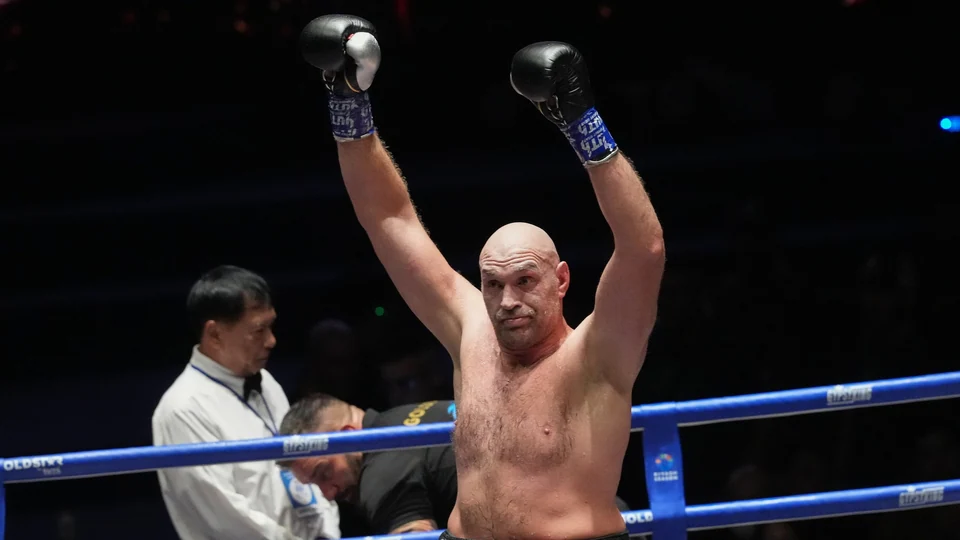
Tyson Fury has revealed that he was diagnosed with schizophrenia and bipolar disorder after experiencing a severe Mental Health crisis following his 2015 victory over Wladimir Klitschko. The former heavyweight world champion has opened up about the frightening experiences, anxiety and personal struggles that affected him during one of the darkest periods of his life.
Fury shared the revelations in an upcoming Netflix documentary, offering a personal account of the mental health difficulties he faced after reaching the top of heavyweight Boxing. His story comes as he prepares for a highly anticipated all-British heavyweight showdown against fellow former world champion Anthony Joshua in Cardiff on December 11. The fight will be broadcast live on Netflix.
The 38-year-old described the period following his world title triumph as an overwhelming experience, saying he struggled to understand what was happening to him and feared he might never regain control of his life.
Fury Opens Up About His Mental Health Struggles
Fury said his mental health deteriorated significantly after defeating Klitschko in 2015. Although the victory had established him as one of boxing’s leading heavyweight fighters, his personal life soon became increasingly difficult.
He described the darkness he experienced during that period and explained how anxiety affected his everyday life. Speaking in the documentary, Fury recalled feeling trapped by his thoughts and fearing that his condition could lead to permanent hospitalisation.
“Words can’t explain the darkness I was in,” Fury said. “It was like a living version of the pits of hell.”
He also described being frightened by the possibility of losing his independence and spending the rest of his life in a psychiatric facility.
“I thought I would end up in a padded room with the door locked, and that scared me so much.”
Fury said his anxiety became so overwhelming that he eventually sought professional help from a psychiatrist in London.
“The anxiety was crippling me. I just could not overcome it and that’s when I went and saw the psychiatrist down in London.”
His comments provide a glimpse into the difficulties he experienced away from the boxing ring. Despite his success as a professional fighter, Fury said he struggled to manage what was happening internally and did not know where to turn for support.
Hearing Voices and Experiences in Hospital
Fury also recalled experiencing symptoms that made ordinary conversations and daily activities extremely difficult. He said he began hearing voices in his mind and struggled to concentrate because of what he was experiencing.
“It got that bad I was hearing voices in my mind,” he said. “I wouldn’t be able to sit and have a conversation because I’d be hearing stuff in my mind.”
He explained that he felt isolated during this period because he did not know how to get help and believed the people around him were also unsure how to respond to his condition.
Fury recalled hearing the radio seemingly talking directly to him. He also described begging his wife, Paris, to get him out of hospital because he believed the Illuminati wanted him.
These experiences contributed to his fear and confusion. He said he desperately wanted to feel normal again but could not find relief from the symptoms for years.
“I didn’t know where to turn and no-one knew what to do. I really needed help, or check into rehab or something. I never got a break from it for years. I wanted to be what I thought was normal again.”
After being released from hospital, Fury said doctors confirmed diagnoses of schizophrenia and bipolar disorder. His account highlights the seriousness of the mental health crisis he experienced during the years following his victory over Klitschko.
Personal Struggles After Defeating Wladimir Klitschko
Fury’s victory over Klitschko in 2015 was one of the defining achievements of his boxing career. However, the period that followed brought significant personal challenges. The heavyweight fighter gained weight and struggled with alcohol and drug addiction as his mental health deteriorated.
The contrast between his sporting achievement and his private difficulties became a major part of his story. While the boxing world had recognised him as a world champion, Fury was dealing with problems that affected his confidence, routine and ability to manage everyday life.
His documentary account describes how difficult it became to separate his public identity as a successful athlete from the struggles he was experiencing privately. He wanted to return to the person he believed he had been before, but said the symptoms continued for years.
Fury’s experience also illustrates that sporting success does not necessarily protect someone from serious personal difficulties. Winning a world championship had brought him recognition inside boxing, but it did not prevent the mental health crisis that followed.
Halloween Night in 2017 Became a Turning Point
Fury identified a night out during Halloween in 2017 as an important turning point in his life. He said that looking around at younger people made him reflect on how dramatically his circumstances had changed since becoming a world champion.
At that moment, he compared the opportunities he once had with the condition he believed he had reached after years of personal struggles.
“I looked around and could see all the young people and I thought, ‘I had the world in my hands and I threw it all away, and now I’m a fat mess addicted to alcohol’,” he said.
The experience became a moment of self-reflection. Fury said he channelled his feelings into rebuilding his life rather than allowing his circumstances to define his future.
He began returning his attention to training, spending more time focusing on his family and working towards a return to professional boxing. The process required him to rebuild his physical condition while also addressing the difficulties that had affected his life outside the ring.
Fury’s Comeback Led to Another World Title
Fury’s decision to return to training eventually produced one of the most notable comeback stories in modern heavyweight boxing. After stepping away from the sport during his difficult period, he worked towards regaining his fitness and returning to championship competition.
A major milestone came in 2020 when Fury defeated Deontay Wilder to claim another world title. The victory demonstrated how far he had come from the period when he struggled with addiction, anxiety and serious mental health difficulties.
His comeback was not simply about returning to the physical condition required for heavyweight boxing. It also represented a renewed focus on his family, professional ambitions and personal life.
Fury’s journey has included major achievements inside the ring, but his latest revelations place greater attention on the challenges he faced away from the sport. His account describes a period when he feared he might never recover and how he eventually found a reason to rebuild his life.
Anthony Joshua Fight Adds Another Chapter to Fury’s Story
Fury’s decision to speak openly about his mental health comes ahead of his long-awaited fight against Anthony Joshua. The two British heavyweights are former world champions, and their scheduled meeting in Cardiff on December 11 is one of the most anticipated contests in British boxing.
The bout will be broadcast live on Netflix, the same platform releasing Fury’s documentary on Friday. The timing places his personal story and upcoming sporting challenge in the spotlight at the same time.
Fury is preparing for the fight after reflecting publicly on the difficulties that followed his 2015 victory over Klitschko. His revelations offer additional context about the personal journey behind his boxing career, including the years when he struggled to maintain his health and return to the sport.
Joshua, meanwhile, enters the contest as another former heavyweight world champion, making the all-British matchup a significant occasion for the division. The December 11 meeting in Cardiff will bring the two fighters together for a long-awaited showdown.
A Personal Story Beyond Boxing
Fury’s documentary revelations go beyond the usual discussion of training, victories and championship ambitions. By describing his experiences with anxiety, hearing voices, hospital treatment and addiction, he has offered a more personal account of the challenges that shaped several years of his life.
His story also underlines the importance of seeking professional support when mental health difficulties become overwhelming. Mental health conditions can affect people regardless of their achievements, public image or financial circumstances, and professional assessment and treatment are important parts of managing them.
Fury’s account is ultimately one of a difficult period followed by an attempt to rebuild. He has described how he moved from fearing that he would never return to normal life to focusing on his family, resuming training and winning another world title.
As the documentary prepares for release and the Anthony Joshua fight approaches, Fury’s comments provide a deeper look at the person behind the heavyweight champion. His upcoming contest will add another sporting chapter to his career, while his willingness to discuss his mental health brings attention to a struggle that took place far beyond the boxing ring.
For breaking news and live news updates, like us on Facebook or follow us on Twitter and Instagram. Read more on Latest Sports on thefoxdaily.com.






COMMENTS 0