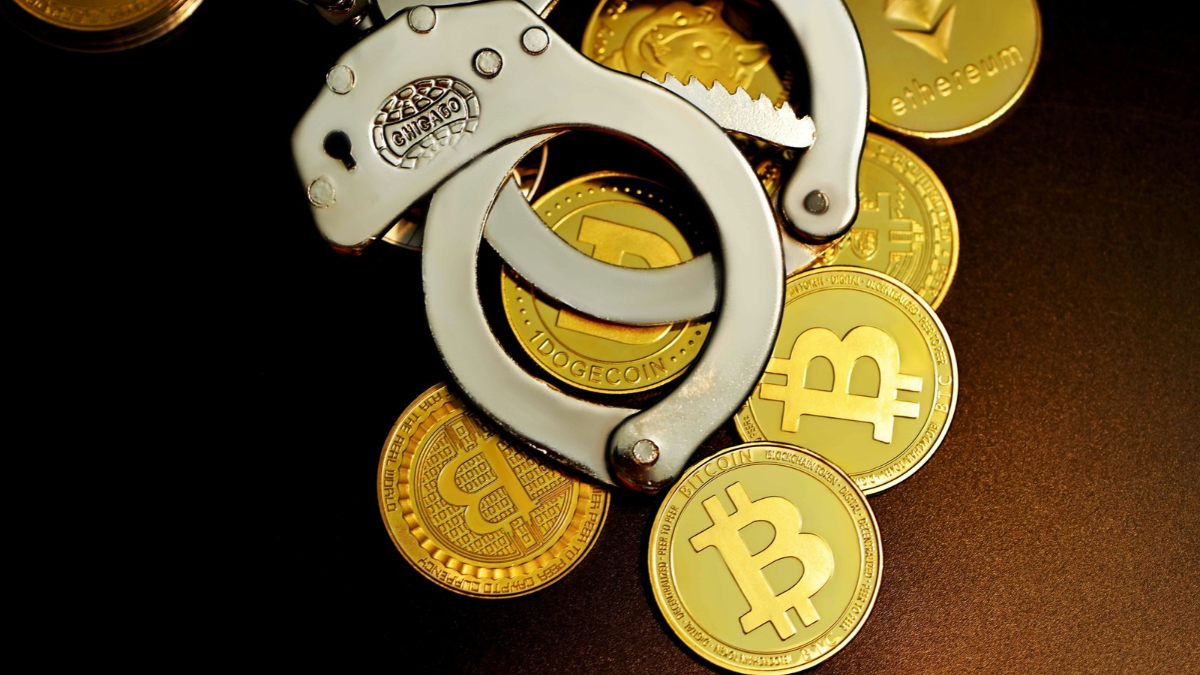
The US Securities and Exchange Commission (SEC) has taken legal action against eight entities accused of operating a Cryptocurrency investment fraud scheme that allegedly cost more than 1,500 American investors approximately $37.45 million. The defendants allegedly used fake investment advisory businesses, fraudulent cryptocurrency trading platforms and fabricated regulatory documents to convince people that their investments were legitimate.
According to the SEC, the alleged operation ran from August 2024 until May 2026. During that period, the individuals behind the scheme reportedly closed businesses, adopted new identities and established replacement companies to continue attracting investors. Victims were allegedly approached through social media advertisements before being directed into WhatsApp groups, where supposed financial professionals encouraged them to invest in cryptocurrency offerings.
The complaint describes a sophisticated-looking operation that allegedly displayed fictional account balances and investment profits to customers. When investors attempted to withdraw their money, they were reportedly asked to make additional payments calculated as a percentage of their supposed profits. Some victims allegedly lost retirement savings, borrowed money and funds connected to their homes.
The case highlights the risks associated with investment opportunities promoted through social media and private messaging groups. It also demonstrates how scammers can use fake regulatory documents, professional-looking trading platforms and fabricated investment returns to make fraudulent cryptocurrency schemes appear credible.
SEC Accuses Eight Entities of Running a $37 Million Investment Scam
The SEC announced its action on November 19, alleging that eight entities operating from Colorado participated in a fraudulent investment operation targeting American investors. According to the regulator’s 25-page court complaint, the defendants raised approximately $37.45 million from victims through cryptocurrency and traditional currency payments.
The complaint breaks down the alleged funds collected into two categories:
- Cryptocurrency investments: Approximately $35.54 million.
- Fiat currency investments: Approximately $1.90 million.
- Total alleged funds raised: Approximately $37.45 million.
The defendants allegedly presented themselves as legitimate investment advisers and cryptocurrency trading businesses, with some operations appearing to have foreign ownership. The SEC claims the organisations were part of a coordinated scheme rather than independent businesses offering genuine investment services.
According to the complaint, the operation repeatedly changed its business identities. When one set of companies stopped operating, another advisory firm and cryptocurrency platform allegedly took its place, allowing the defendants to continue approaching potential investors.
This repeated restructuring is important to the SEC’s allegations because it suggests that the operation was designed to continue attracting money even when previous business identities were no longer being used.
How the Alleged Cryptocurrency Fraud Worked
The SEC complaint describes a process that combined social media marketing, private investment groups, fake financial expertise and cryptocurrency trading platforms. Instead of immediately asking potential victims to transfer large amounts of money, the alleged operators first attempted to establish credibility through financial discussions and personalised investment advice.
The scheme reportedly followed several stages, beginning with online advertisements and ending with additional payment demands when victims tried to withdraw their supposed profits.
1. Social Media Advertisements Attracted Potential Investors
Social media advertisements allegedly served as the main method of finding potential victims. People who interacted with the promotions were reportedly contacted and added to WhatsApp groups focused on financial markets and investment opportunities.
These groups were presented as places where members could receive guidance about US stocks and investment strategies. Individuals posing as financial experts allegedly offered personalised advice to build trust with prospective investors.
This approach can make a fraudulent operation appear more convincing because potential victims may believe they are joining an established investment community rather than communicating with unknown individuals behind a scam.
2. Fake Advisers Promoted Cryptocurrency Offerings
After building relationships with members of the WhatsApp groups, the alleged advisers encouraged them to invest in so-called initial exchange offerings, commonly known as IEOs.
An initial exchange offering is a fundraising method in which a cryptocurrency project offers digital tokens through a cryptocurrency exchange. Unlike an initial public offering of company shares, an IEO involves digital assets and operates within the cryptocurrency market.
The defendants allegedly presented these offerings as opportunities capable of delivering better returns than conventional stock investments. By making the opportunities appear exclusive and potentially lucrative, they encouraged victims to transfer increasingly large amounts of money.
Investors were reportedly led to believe that they were purchasing legitimate cryptocurrency assets through professional trading platforms. The SEC’s allegations, however, describe the platforms as part of a fraudulent operation.
3. Investors Transferred Cryptocurrency to Specified Wallets
Victims were allegedly instructed to transfer digital assets into cryptocurrency wallets specified by the operators. The complaint identifies several cryptocurrencies involved in the transfers:
- Ether (ETH): The native cryptocurrency of the Ethereum network.
- Tether (USDT): A widely used stablecoin designed to maintain a value linked to the US dollar.
- USD Coin (USDC): Another major dollar-linked stablecoin used for digital payments and cryptocurrency transactions.
Cryptocurrency transfers can create difficulties for victims trying to recover stolen funds. Although blockchain transactions are publicly recorded, transactions generally cannot be reversed simply by contacting the network. Recovering assets may require identifying the recipients, tracing the transfers and obtaining assistance from relevant exchanges or law enforcement agencies.
4. Fake Trading Platforms Displayed Fictional Profits
After receiving the cryptocurrency deposits, the alleged operators used trading platforms that displayed account balances and investment profits to victims.
According to the SEC’s allegations, these figures did not represent genuine investment performance. Instead, the platforms allegedly showed fabricated balances designed to convince customers that their investments were growing.
This can be particularly effective in an online investment scam because victims may interpret an increasing account balance as evidence that their strategy is working. Seeing apparent profits can also encourage them to deposit additional money.
However, a balance displayed on a website or mobile application does not necessarily represent cryptocurrency held in a real wallet or assets available for withdrawal. Investors need independent evidence that their funds exist and are being held as claimed.
5. Withdrawal Requests Triggered Additional Payment Demands
The alleged fraud became especially damaging when investors attempted to withdraw their money. Rather than returning the funds, the platforms reportedly demanded additional payments calculated as percentages of the supposed profits.
This type of demand can create a cycle in which victims continue sending money because they believe another payment will unlock their existing balance. In reality, the displayed profits may be entirely fictional, leaving investors with no reliable way to recover their original deposits.
Such demands are a major warning sign. Legitimate investment platforms may have clearly disclosed fees, withdrawal conditions or applicable taxes, but unexplained payments demanded before releasing supposed profits should be treated with extreme caution.
Four Stages of the Alleged Investment Operation
The SEC complaint reportedly identifies four consecutive stages of the scheme. Each stage involved an investment advisory company and an associated cryptocurrency trading platform.
The first identified pair consisted of Advisor WeChat Capital and Tech Brokerage Asset Alliance Ltd., which allegedly operated between August and December 2024.
According to the complaint, this initial stage received at least $7.32 million in cryptocurrency deposits. The subsequent stages allegedly involved replacement businesses and trading platforms as the operation changed its identities.
The repeated use of new business names is a significant part of the SEC’s case. By establishing replacement entities, the defendants allegedly maintained the appearance of separate investment businesses while continuing the same broader fundraising operation.
The available information identifies the first stage and its reported deposits, but the full financial breakdown of every subsequent stage should not be assumed without examining the detailed court complaint.
Fake SEC and FINRA Documents Allegedly Helped Build Trust
One of the most concerning elements of the case involves the alleged use of fraudulent regulatory documents. According to the SEC, the defendants presented documents that appeared to demonstrate official authorisation or regulatory recognition.
These materials allegedly included fabricated SEC certificates and documents associated with several financial and regulatory organisations, including:
- US Securities and Exchange Commission (SEC): The federal regulator responsible for overseeing US securities markets and enforcing federal securities laws.
- Financial Industry Regulatory Authority (FINRA): A self-regulatory organisation that oversees member brokerage firms and registered brokers operating in the United States.
- Financial Crimes Enforcement Network (FinCEN): A US Treasury Department bureau that works to combat money laundering and other financial crimes.
By displaying documents carrying the names of recognised institutions, the alleged operators could make their businesses appear more credible to people unfamiliar with financial regulation.
However, a document bearing a regulator’s name or logo does not establish that an investment company is authorised to provide financial services. Fraudsters can create convincing-looking certificates, registration confirmations and official correspondence to mislead potential customers.
How Investors Can Verify Financial Authorisation
Before transferring money to an investment adviser or trading platform, investors should independently verify the company’s regulatory status. They should not rely solely on documents, website claims or statements made by someone promoting an investment opportunity.
Useful precautions include:
- Search the relevant regulator’s official database for the company’s legal name.
- Check whether the business is authorised to provide the specific financial service being advertised.
- Confirm that the website and contact details match the information held by the regulator.
- Be cautious when an adviser refuses to provide verifiable registration information.
- Avoid relying on screenshots or certificates sent through WhatsApp or other messaging applications.
- Do not transfer cryptocurrency to a wallet simply because an adviser claims it belongs to a regulated trading platform.
Investors should also remember that a company’s registration does not automatically mean that every investment it promotes is safe or guaranteed to generate profits.
Investors Allegedly Lost Retirement Savings and Property-Backed Money
The financial consequences described in the SEC complaint extend beyond ordinary speculative losses. Some victims allegedly sold retirement savings, borrowed money and mortgaged property after being persuaded that they were participating in profitable investment opportunities.
The complaint reportedly includes several examples illustrating the scale of the alleged losses:
- First investor: Lost close to $500,000, including money borrowed using retirement funds.
- Second investor: Lost approximately $850,000.
- Third investor: Lost nearly $1.6 million, with some of the money reportedly coming from a house and an individual retirement account.
These examples demonstrate how investment fraud can affect people’s long-term financial security. Retirement accounts and property-backed borrowing are often connected to savings accumulated over many years. Losing those resources can create consequences that extend well beyond the initial amount transferred.
The alleged victims may also face additional financial pressure if they borrowed money to participate in the scheme. Even when the investment disappears, loan obligations and other financial commitments may remain.
Why Cryptocurrency Investment Scams Continue to Target Americans
Cryptocurrency investment fraud often combines the appeal of digital assets with familiar investment marketing techniques. Fraudsters may present themselves as experienced advisers, create private investor communities and display apparent trading profits to persuade people that an opportunity is legitimate.
Several characteristics of the alleged operation illustrate why these schemes can be difficult to identify:
Professional-Looking Websites Can Create False Confidence
A website with account dashboards, charts and transaction histories can look like a legitimate trading platform. However, these features can be created without the platform holding any genuine investments. Customers should never treat a displayed profit as proof that their funds exist.
Private Messaging Groups Can Increase Pressure
WhatsApp investment groups can make users feel as though they are part of a community of successful investors. Messages from supposed experts and other participants may create social pressure to follow recommendations or invest quickly.
In some fraudulent operations, the apparent community itself may be controlled by the scammers. Messages praising returns or encouraging deposits should therefore not be treated as independent evidence of an investment’s legitimacy.
Promises of High Returns Can Encourage Risky Decisions
Investment opportunities promoted as substantially more profitable than traditional markets deserve careful scrutiny. No legitimate investment can guarantee consistently high returns without risk, and claims that an offering is both unusually profitable and virtually risk-free are major warning signs.
Scammers may also use urgency, exclusive access and supposed insider information to discourage investors from conducting independent checks.
What the SEC’s Action Means for Cryptocurrency Investors
The SEC’s case is another reminder that cryptocurrency-related investment fraud remains a significant enforcement concern. The alleged operation used digital assets to collect money, but its wider methods involved familiar forms of financial deception: false credentials, misleading investment advice, fabricated account balances and pressure to send additional funds.
For investors, the most important lesson is that cryptocurrency technology does not make an investment opportunity legitimate. A platform may accept Ether, USDT or USDC and display sophisticated financial dashboards while still being part of a fraudulent operation.
The case also demonstrates why investors should be particularly careful when someone they have met through a social media advertisement or private messaging group begins offering personalised financial advice. Genuine investment professionals should be independently verifiable, and customers should have access to clear information about the company, its authorisation and the risks involved.
Anyone who believes they have been targeted by a similar scheme should stop sending money, preserve transaction records and communications, and contact the appropriate financial regulator or law enforcement agency. They should also be wary of recovery services that promise to retrieve lost cryptocurrency in exchange for an upfront payment, as victims of investment fraud can be targeted again.
Frequently Asked Questions
What is the SEC’s $37 million cryptocurrency fraud case about?
The SEC accused eight entities of participating in an alleged investment fraud scheme that raised approximately $37.45 million from more than 1,500 American investors. The operation allegedly used fake advisory businesses, cryptocurrency trading platforms and fraudulent regulatory documents to attract deposits.
How did the alleged crypto investment scam find victims?
According to the SEC complaint, the defendants used social media advertisements to attract potential investors and added interested people to WhatsApp groups. Individuals posing as financial experts then offered investment advice and promoted cryptocurrency offerings.
Which cryptocurrencies were involved in the alleged fraud?
The complaint identifies Ether (ETH), Tether (USDT) and USD Coin (USDC) among the cryptocurrencies transferred by investors to wallets specified by the alleged operators.
How much money did investors allegedly lose?
The SEC said the defendants raised approximately $37.45 million, including around $35.54 million in cryptocurrency and $1.90 million in fiat currency. The complaint also describes individual investors who allegedly lost approximately $500,000, $850,000 and $1.6 million.
Did the alleged scammers use fake SEC certificates?
Yes. The SEC complaint alleges that the defendants presented fraudulent certificates and documents associated with the SEC, FINRA and FinCEN to create the appearance of regulatory authorisation and convince investors that the businesses were legitimate.
What is an initial exchange offering (IEO)?
An initial exchange offering is a cryptocurrency fundraising method in which a digital token project offers assets through a cryptocurrency exchange. In this case, the defendants allegedly promoted supposed IEO opportunities as more lucrative than conventional stock investments.
Why were investors asked to pay more money before withdrawing?
According to the allegations, the fake trading platforms demanded additional payments calculated as percentages of investors’ supposed profits when they attempted to withdraw funds. Such demands can be a warning sign of investment fraud, particularly when the displayed profits cannot be independently verified.
How can investors avoid similar cryptocurrency scams?
Investors should independently verify financial advisers and trading platforms, check regulatory records, avoid relying on WhatsApp investment groups, question unrealistic profit claims and never transfer cryptocurrency to unverified wallets. They should also be suspicious of unexpected fees demanded before supposed investment profits can be withdrawn.
For breaking news and live news updates, like us on Facebook or follow us on Twitter and Instagram. Read more on Latest Technology on thefoxdaily.com.






COMMENTS 0