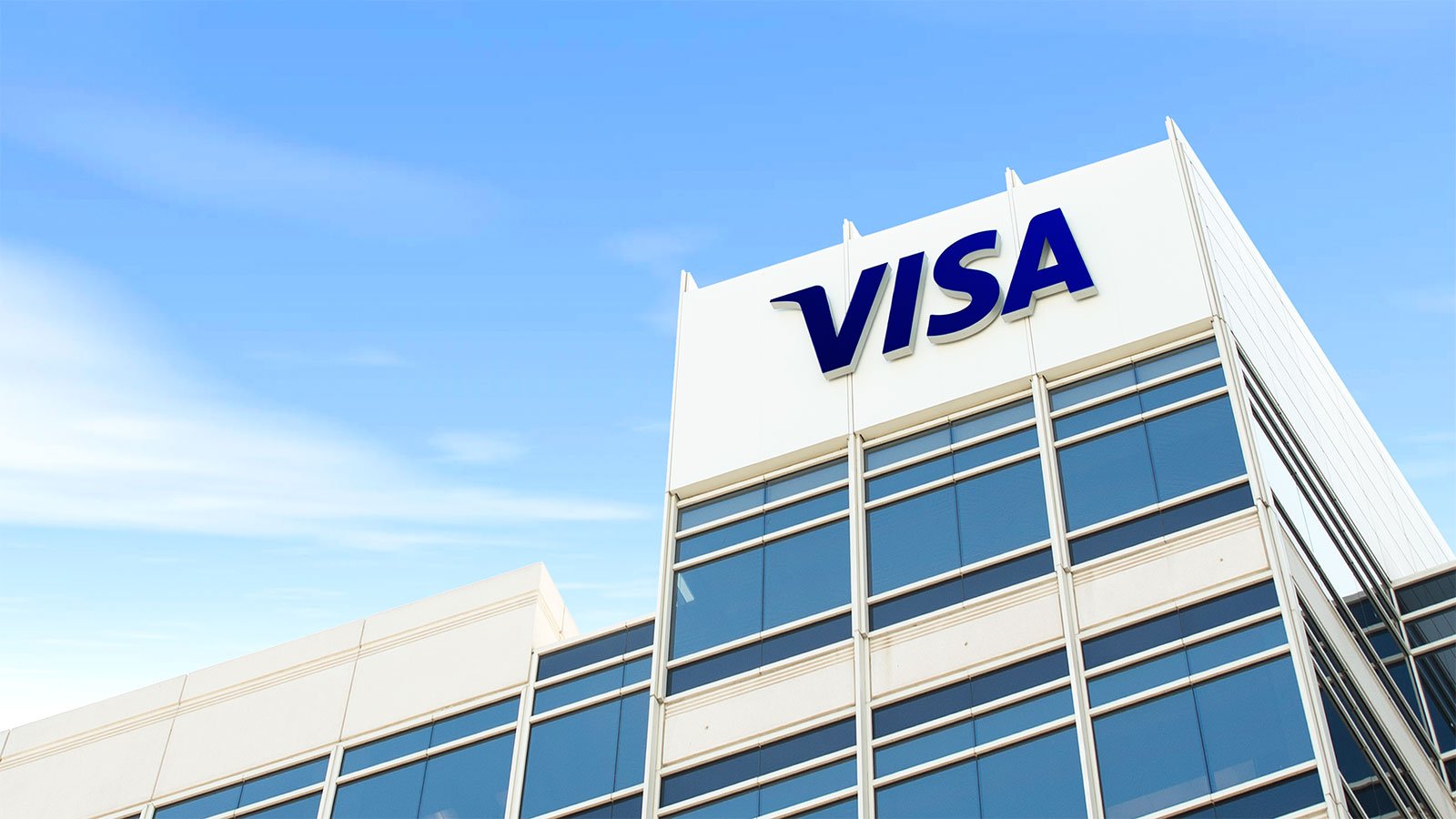
Mastercard, Visa and JPMorgan Chase have been linked to a data-leak incident after an emerging cyber-extortion group calling itself n0n published information allegedly stolen from third-party service providers. The attackers reportedly threatened to release the data unless the financial companies paid an extortion demand. After the demands went unmet, the group added the organisations to its leak site and published the stolen material.
Despite the high-profile names involved, the exposed information appears to be considerably less sensitive than the attackers’ claims might suggest. The companies have indicated that the incident involved limited marketing or contact information rather than payment-card details. There is currently no evidence that Visa or Mastercard’s payment networks were compromised, and the available statements do not indicate that customers’ card numbers were exposed.
The incident nevertheless highlights an important Cybersecurity problem for large financial institutions: attackers do not always need to breach a bank’s or payment company’s core infrastructure to obtain information connected to its customers. Third-party service providers can hold marketing records, contact details and other business information that criminals may exploit for extortion or follow-up scams.
What Happened in the Visa, Mastercard and JPMorgan Data Breach?
The cyber-extortion group n0n reportedly listed JPMorgan Chase and Visa on its data-leak website, claiming it had obtained information connected to the financial organisations through third-party providers. The attackers threatened to publish the stolen material unless their demands were met.
After the companies did not pay, the group released data online. Mastercard was subsequently added to the list, with the incident also linked to a third-party service provider rather than a confirmed compromise of the company’s central payment infrastructure.
The distinction between a direct breach and a third-party incident is important. Large financial organisations rely on external companies for services such as marketing, customer communications, benefits administration and other business operations. Those providers may hold information connected to customers even when they do not have access to the organisations’ core payment systems.
In this case, the public statements from the affected companies suggest that the exposed information was limited primarily to contact and marketing records. That does not make the incident harmless, but it changes the likely consequences compared with a breach involving payment-card credentials or banking authentication systems.
Visa Says Its Payment Systems Were Not Affected
Visa acknowledged the claims made by the attackers but said the incident involved a third-party service provider in the Asia-Pacific region. The company stressed that its own systems were not involved or impacted.
A Visa spokesperson said the incident did not affect payment information, including card numbers. The company also distinguished the breach from separate service disruptions reported across different industries during the same week.
This clarification is significant because the appearance of Visa’s name on a ransomware leak site could easily create the impression that its payment network had been compromised. The company’s statement instead points to a security incident at an external provider.
There is also an important difference between information associated with a payment company and information stored inside its payment-processing infrastructure. A third-party provider may possess customer contact records without having access to the systems that authorise or process card transactions.
Based on the information publicly shared so far, there is no confirmed indication that Visa cardholders’ payment details were exposed in this incident.
Mastercard Confirms Exposure of Some Customer Email Addresses
Mastercard also acknowledged an incident involving an external service provider, but its statement provided more specific information about the exposed records.
Mastercard Senior Vice President Seth Eisen said the company had been informed of an incident at a third-party provider that resulted in the exposure of a limited number of email addresses. The affected information belonged to a small subset of cardholders enrolled in a specific benefit programme.
The company described the exposed material as non-payment information and said its payment network had not been affected. Mastercard also confirmed that customers remained able to use their cards normally.
According to the company’s statement, the exposure had been contained and its teams were working with the provider to support affected cardholders where necessary.
What Mastercard Customers Should Understand
The reported exposure of email addresses is different from a payment-card Data Breach. An email address alone does not provide an attacker with the ability to make purchases using a person’s card or access their banking account.
However, contact information can still be valuable to cybercriminals. Attackers may use exposed email addresses to send convincing phishing messages, impersonate financial institutions or attempt to trick recipients into sharing passwords and verification codes.
Customers should therefore be cautious about unexpected messages claiming to come from Mastercard, a bank or a benefits programme. In particular, they should avoid clicking suspicious links, downloading unexpected attachments or sharing one-time passwords in response to unsolicited communications.
JPMorgan Chase Says Marketing Data Was Accessed
JPMorgan Chase also confirmed that third-party service providers had been targeted in a cyberattack. The bank shared an update on X, explaining that its investigation had identified access to certain marketing information held by those vendors.
The potentially exposed records may include customer names and email addresses. JPMorgan said the incident had not disrupted its operations and that the available findings did not indicate that payment information had been affected.
The bank also addressed speculation connecting the breach to separate service disruptions experienced by some customers earlier in the week. It said there was no connection between the cyberattack involving its third-party providers and those operational issues.
This distinction matters because simultaneous technology problems can create confusion about the cause of an incident. A service outage may result from a software defect, infrastructure problem or configuration error, while a data breach involves unauthorised access to information. The two events should not automatically be treated as part of the same attack.
Why Marketing Data Can Still Be Valuable to Hackers
Names and email addresses may appear relatively harmless compared with passwords, financial records or card numbers. However, they can help attackers create more convincing targeted scams.
For example, a criminal who knows that someone is associated with a particular financial institution or benefits programme can tailor an email to look like a legitimate account notification. A message referring to a real company or service may appear more trustworthy than a generic phishing attempt.
Attackers can also combine contact information with details obtained from other breaches, public records or social media profiles. This can help them build more detailed profiles of potential victims.
That is why limited marketing-data exposure should not be dismissed entirely. The immediate financial risk may be lower than in a payment-card breach, but the information can still support identity-based fraud and social engineering.
Who Is the n0n Cyber-Extortion Group?
The group claiming responsibility for the incident is known as n0n. It is a relatively new name in the cyber-extortion landscape, having emerged in September, according to the information attributed to security researchers.
Research by SOCRadar describes n0n as a financially motivated cyber-extortion operation that focuses on stealing corporate information and threatening to publish it unless victims pay. Unlike conventional ransomware operations, this approach does not depend on encrypting a victim’s files or preventing access to business systems.
Instead, the attackers allegedly gain access to corporate environments, identify valuable information, extract it and use the threat of public exposure as leverage. If the victim refuses to pay, the group can publish the stolen material on its leak website.
This method is similar to the tactics used by other data-theft extortion operations, including the group ShinyHunters. The central pressure point is not necessarily the loss of access to company systems, but the potential reputational, legal and commercial damage caused by exposing information.
Why n0n’s Approach Is Different from Traditional Ransomware
Traditional ransomware commonly involves malicious software that encrypts files or disrupts access to systems. Attackers then demand payment in exchange for a decryption key or a promise not to release stolen information.
Data-theft extortion can operate without the encryption stage. The attackers may simply steal information and threaten to publish it. This means an organisation could continue operating normally while still facing a serious security incident.
The absence of an obvious system outage can also make this type of attack harder for customers and the public to recognise. A company may not experience a visible disruption, yet information held by one of its service providers could still be exposed.
For organisations, this creates a different response challenge. Restoring encrypted systems is not enough when the primary problem is the unauthorised extraction of data. Companies must investigate what was accessed, determine whose information was involved and manage the consequences of possible publication.
Researchers Point to AI-Assisted Development of Attack Tools
SOCRadar researchers have also reported evidence suggesting that n0n uses AI coding agents to help develop and maintain some of its attack tools. This is an indication of how cybercriminal operations may be incorporating AI-assisted software development into their activities.
AI coding tools can help developers generate code, troubleshoot errors and maintain software. Those capabilities can also be misused by malicious actors seeking to build or modify tools for unauthorised activity.
However, evidence of AI-assisted development does not automatically mean that a criminal group has advanced technical capabilities. ZeroFox researchers reportedly assess n0n as an opportunistic threat actor with low-to-medium technical sophistication.
The assessment suggests that the group’s business model may rely more on finding vulnerable opportunities, obtaining access and applying extortion pressure than on developing highly sophisticated malware.
The group’s overall size and internal structure remain unclear. It is also important to distinguish between researchers’ assessments and independently confirmed details about individual attacks.
Nearly 400 Reported Victims: How Large Is the n0n Operation?
Despite its relatively recent appearance, n0n has reportedly accumulated a substantial number of claimed victims. Ransomnews, a ransomware-tracking operation cited in the supplied reporting, had recorded almost 400 victims, up from 365 just two days earlier.
The reported victim list includes recognisable organisations such as CarNow, Patagonia and Wise Advisory Group. The group also appears to have targeted numerous organisations in the pharmaceutical sector.
These figures should be interpreted carefully. A ransomware leak-site listing or tracker entry does not automatically establish that every claimed victim experienced a confirmed breach. Some claims may require further investigation, and the full extent of data theft may not be publicly known.
Nevertheless, the reported volume illustrates how quickly a data-extortion operation can build a visible presence. A group does not necessarily need to compromise a major organisation’s central infrastructure to create pressure. Access to a smaller supplier or service provider may be enough to obtain information that can be used in an extortion campaign.
Why Third-Party Providers Are a Growing Cybersecurity Risk
The incidents involving Visa, Mastercard and JPMorgan highlight a broader challenge for large organisations: cybersecurity does not stop at the boundaries of their own networks.
Financial institutions and payment companies work with extensive networks of external suppliers. These relationships can include marketing agencies, customer-support platforms, technology providers, data processors and specialist service companies. Each provider may have access to information needed to perform its role.
That creates additional potential entry points for attackers. Even when a major organisation maintains strong security controls, a supplier with weaker protections may become an attractive target.
Third-party incidents can also complicate investigations. Companies need to establish which provider was affected, what information it held, whether the attackers accessed additional systems and which customers may need to be notified.
What Businesses Can Do to Reduce Third-Party Risk
Organisations can reduce exposure by treating supplier security as an essential part of their wider cybersecurity strategy. Important measures include:
- Review supplier access: Give external providers access only to the information and systems necessary for their work.
- Assess security controls: Regularly evaluate vendors’ security practices, incident-response capabilities and data-protection arrangements.
- Monitor data access: Watch for unusual downloads, unexpected transfers and activity involving large volumes of customer information.
- Protect customer records: Minimise the amount of personal information shared with external providers and retain it only when necessary.
- Prepare incident-response plans: Establish clear procedures for investigating supplier breaches, identifying affected customers and coordinating notifications.
- Strengthen authentication: Require strong multi-factor authentication and tightly manage privileged access to business systems.
These measures cannot eliminate every risk, but they can make it harder for attackers to turn a supplier compromise into a wider data-exposure incident.
What Should Visa, Mastercard and JPMorgan Customers Do Now?
The available company statements do not indicate that payment-card systems were compromised or that card numbers were exposed. Customers should not assume their cards have been stolen simply because the companies appeared on a cybercriminal leak site.
However, the reported exposure of names and email addresses creates a reason to remain alert. Customers can take several sensible precautions:
- Watch for suspicious emails: Be cautious of unexpected messages claiming to come from Visa, Mastercard, JPMorgan or a related benefits programme.
- Do not share verification codes: Legitimate customer-support representatives should not ask you to disclose one-time passwords or security codes through unsolicited messages.
- Use official channels: If you receive an account warning, visit the company’s official website or contact its customer-support team using independently verified details.
- Check account activity: Review bank and card transactions regularly and report any unfamiliar activity to the card issuer.
- Avoid suspicious links: Do not open unexpected attachments or enter account credentials on websites reached through unverified messages.
- Use strong authentication: Enable multi-factor authentication where available and use unique passwords for important accounts.
These steps are useful general precautions, not evidence that every customer is at immediate risk. Anyone who receives a direct notification from an affected company should follow the instructions provided through its verified communication channels.
Frequently Asked Questions
Were Visa and Mastercard payment-card numbers leaked?
There is no confirmed evidence in the available company statements that payment-card numbers were exposed. Visa said no payment information was affected, while Mastercard described the exposed information as a limited number of email addresses and other non-payment data.
Was JPMorgan Chase directly hacked?
JPMorgan said third-party service providers were targeted in a cyberattack. Its investigation indicated that certain marketing data held by those vendors may have been accessed, including some customer names and email addresses.
Who is responsible for the Visa and Mastercard data leak?
A cyber-extortion group calling itself n0n claimed responsibility on its data-leak website. The companies have not independently confirmed the attackers’ identity or publicly established the full details of the intrusion.
What information was exposed in the Mastercard incident?
Mastercard said a limited number of email addresses belonging to a small subset of cardholders enrolled in a specific benefit programme were exposed through a third-party provider. It said the payment network was not affected.
What is the n0n ransomware group?
n0n is a relatively new financially motivated cyber-extortion group that reportedly emerged in September. Researchers describe its approach as stealing corporate information and threatening to publish it unless victims pay, rather than relying on traditional file-encrypting ransomware.
Did the cyberattack cause JPMorgan’s service disruptions?
No. JPMorgan said the third-party data incident was unrelated to service disruptions experienced by some customers earlier in the week. The bank distinguished the cyberattack from the separate technical issue.
Is n0n using artificial intelligence in its attacks?
SOCRadar researchers reportedly found evidence of AI coding agents being used to develop and maintain some of the group’s attack tools. This does not establish that every part of its operation is AI-driven or that the group has advanced technical capabilities.
Should Visa, Mastercard and JPMorgan customers cancel their cards?
The available statements do not indicate that payment-card numbers were exposed, so the reported incident alone does not establish a need to cancel cards. Customers should monitor transactions, remain alert to phishing attempts and contact their card issuer if they notice suspicious activity.
For breaking news and live news updates, like us on Facebook or follow us on Twitter and Instagram. Read more on Latest Technology on thefoxdaily.com.




COMMENTS 0