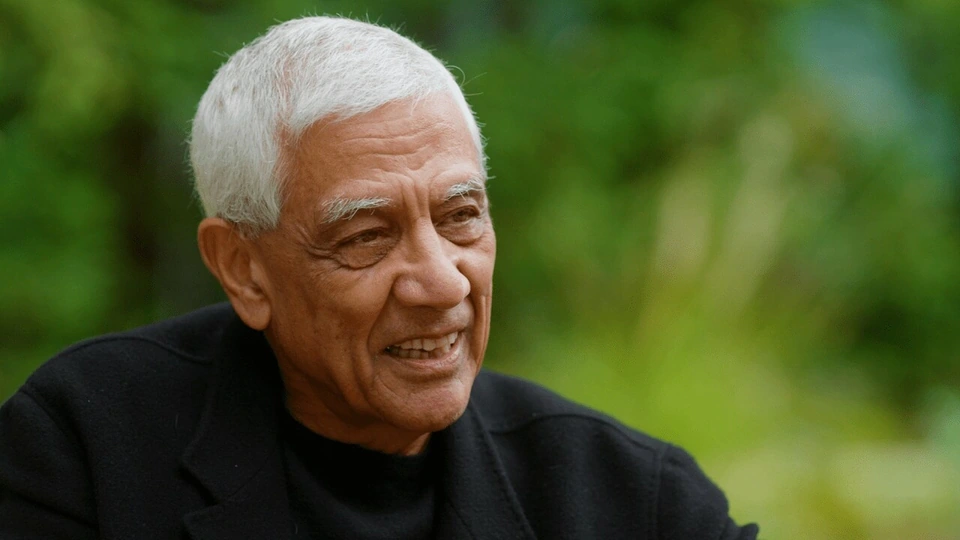
A high-profile job opportunity in Silicon Valley is attracting attention for its extraordinary demands: working in person from 8 a.m. to 8 p.m., remaining available around the clock when necessary, and sustaining an intense schedule for three years. The role is chief of staff to billionaire technology investor Vinod Khosla, founder of venture capital firm Khosla Ventures, which has backed companies including OpenAI, Stripe and DoorDash.
The job description has sparked a debate over whether the position represents a career-defining opportunity or an extreme example of Silicon Valley’s increasingly demanding work culture. While some entrepreneurs view the role as a rare chance to learn directly from a prominent investor, others see its requirements as a sign of how far technology companies are willing to push prospective employees.
The position is being advertised at a time when artificial intelligence is intensifying competition across the technology industry. Startup founders and investors are increasingly emphasising speed, long working hours and rapid execution, with some treating extreme workloads as evidence of commitment rather than a cost to be minimised.
Although the original job description set out expectations that included long office hours and around-the-clock availability, Khosla later clarified that the position did not have a specific hourly requirement. In a post on X late Friday, he said the work was intense and that he personally worked 80 hours a week, adding that the person hired would need to keep up.
The clarification has added another dimension to the debate. The central question is no longer simply whether an applicant can tolerate a fixed 12-hour daily schedule, but whether the professional rewards of working closely with a high-profile investor justify the intensity, uncertainty and personal sacrifices associated with the role.
What Is the Silicon Valley Job Offered by Vinod Khosla?
The position is chief of staff to Vinod Khosla, the founder of Khosla Ventures, a venture capital firm known for investing in technology businesses. The role is designed for someone who can work closely with Khosla across a range of professional responsibilities, including evaluating potential investments, supporting portfolio companies and building relationships.
Unlike a narrowly defined administrative position, the chief of staff role is presented as a combination of strategic thinking, operational support and direct collaboration with a senior decision-maker. The successful candidate is expected to become a trusted partner who can help assess opportunities, work through complex problems and contribute to decisions across different areas of technology and business.
The job description also refers to the candidate as a potential “thought partner.” That wording suggests Khosla is looking for someone capable of challenging assumptions, asking useful questions and helping him analyse unfamiliar subjects rather than simply carrying out instructions.
Ryan Batra, a vice president of talent at Khosla Ventures, highlighted the demanding nature of the opportunity in a LinkedIn post. He warned that the position would not suit candidates who needed predictable hours, a clearly defined playbook or frequent direction.
The requirements have attracted attention partly because they are unusually explicit about the expected commitment. Rather than presenting long hours as an occasional possibility during busy periods, the initial job description made sustained intensity a central feature of the opportunity.
Why the Chief of Staff Role Requires Exceptional Commitment
The original job listing described a schedule involving in-person work from 8 a.m. to 8 p.m., with availability around the clock, including nights and weekends when necessary. Candidates were also expected to maintain the demanding arrangement for three years.
Such requirements go beyond the conventional expectations associated with many corporate jobs. The combination of long office days, potential weekend work and an extended commitment could affect an employee’s ability to maintain predictable personal routines or separate professional responsibilities from private life.
However, Khosla’s later clarification indicated that the job did not have a fixed hourly requirement. He described the position as intense and said he worked approximately 80 hours a week, adding that the person hired would need to keep pace with him.
The distinction matters. The initial description communicated a highly demanding working arrangement, while the subsequent statement framed the requirement around the intensity of the work and the need to match the executive’s pace.
For prospective applicants, the practical implications remain significant. A position that requires close involvement in an investor’s activities may involve responding to emerging opportunities, preparing for meetings, analysing companies and handling time-sensitive tasks. The exact workload may vary, but the expectation of sustained commitment is clear.
The job therefore demands more than technical competence or conventional office productivity. It calls for adaptability, sound judgement, independent thinking and the ability to operate in an environment where priorities can change quickly.
Vinod Khosla Wants a Thought Partner, Not Just an Assistant
One of the most distinctive aspects of the role is Khosla’s emphasis on intellectual independence. In a post on X, he explained that candidates would not be expected to know every field in which he works. Instead, he highlighted the importance of learning quickly, asking the right questions and thinking from first principles.
Thinking from first principles involves examining a problem by breaking it down into its fundamental components rather than relying entirely on conventional assumptions or established practices. In an investment environment, this approach can help a team evaluate unfamiliar technologies, challenge prevailing beliefs and identify opportunities that may be overlooked by others.
The emphasis on learning also reflects the breadth of the position. A chief of staff working with a technology investor may need to move between different industries, business models and technical subjects. The ability to understand new information quickly can be more valuable than having deep expertise in every area from the outset.
The candidate is also expected to contribute to investment evaluation and relationships with portfolio companies. That could require analysing business opportunities, preparing information for discussions and helping coordinate work across multiple organisations.
These responsibilities help explain why Khosla describes the position as a thought-partner role. The objective is to find someone who can improve the quality and speed of decision-making, not merely someone who can manage a calendar or organise meetings.
At the same time, the broad remit means applicants must be comfortable working without a rigid playbook. Candidates who prefer clearly defined responsibilities, predictable schedules and frequent supervision may find the role particularly challenging.
Why Silicon Valley’s Hustle Culture Is Becoming More Visible
Silicon Valley has long been associated with an intense working culture in which ambitious founders and employees devote substantial time and energy to building companies. The growth of artificial intelligence has made this approach more visible, with some startups openly promoting long hours and demanding recruitment processes.
Margaret O’Mara, a professor of history at the University of Washington who studies the high-tech economy, described the explicit presentation of such expectations as a case of “saying the quiet part out loud.” Her observation reflects the idea that some workplace practices once treated as unspoken expectations are increasingly being advertised directly to candidates.
The debate is not simply about the number of hours employees work. It also concerns how technology companies define ambition, commitment and professional success. In some startup environments, employees are expected to move quickly, take on responsibilities beyond their formal roles and make substantial personal sacrifices to help a business grow.
Supporters of intense work schedules may argue that building a startup or evaluating emerging technologies requires unusual levels of focus, especially when opportunities are time-sensitive and competition is strong. Critics, however, question whether consistently extreme workloads are sustainable and whether the benefits justify the personal costs.
The Khosla Ventures position has brought these competing views into focus because its demands are unusually prominent in the recruitment pitch. Applicants are being told upfront that the opportunity involves a high level of commitment, rather than discovering the expectations only after joining.
That transparency can help candidates decide whether the job fits their ambitions and circumstances. It can also make the position a symbol of a wider debate over whether the technology industry’s culture of relentless work is a necessary condition for success or a practice that deserves greater scrutiny.
The Rise of the 9-9-6 Work Culture in AI Startups
One of the most widely discussed examples of intense technology-sector working habits is the so-called 9-9-6 schedule. The term generally refers to working from 9 a.m. to 9 p.m., six days a week.
Some young AI founders have embraced this model, presenting extended working hours as a way to build products quickly and compete in a rapidly changing market. The schedule represents a substantial commitment of time, leaving considerably less room for activities outside work than a conventional five-day working week.
The growing visibility of such schedules reflects the competitive pressure surrounding artificial intelligence. Startups are racing to develop new products, attract customers, recruit specialised talent and secure investment. In this environment, some founders believe that faster execution can provide an advantage.
However, long hours alone do not guarantee innovation or business success. Product quality, customer demand, sound decision-making, technical execution and financial discipline also play important roles in determining whether a startup succeeds.
The debate over 9-9-6 working arrangements therefore raises questions about the relationship between effort and outcomes. While concentrated periods of intense work may be useful for particular projects, maintaining such a schedule over long periods can be difficult for employees.
Khosla’s chief of staff role reflects a related philosophy, though his later clarification focused on the intensity of the work rather than a fixed schedule. The central expectation is that the successful candidate will be able to sustain a demanding pace while contributing meaningfully to complex decisions.
Other Startups Are Testing Candidates’ Commitment
The Khosla Ventures position is not the only example of a technology company making unusually demanding expectations visible during recruitment.
Corgi, an insurance startup, has asked some candidates to participate in multiday work trials, sometimes over weekends, to assess their stamina. Such exercises can provide employers with a closer look at how applicants approach practical tasks, collaborate with colleagues and perform under pressure.
However, extended work trials can also raise questions about the boundaries between assessing candidates and asking them to commit substantial time before receiving a job offer. Their value depends on how they are structured, what candidates are asked to do and whether the expectations are proportionate to the position.
Another example involved LemonLime, a startup that earlier in the year offered interviews to anyone at a networking party willing to get a company tattoo. The tattoo did not guarantee employment, making the initiative a striking example of how some young companies have experimented with recruitment and public displays of commitment.
These examples differ in their methods, but they illustrate a broader tendency among some startups to use unconventional hiring practices to identify people they believe are strongly committed to their organisations.
For candidates, such approaches can create difficult choices. An unusual recruitment exercise may offer access to an opportunity that would otherwise be difficult to obtain, but it can also require a substantial investment of time or signal expectations that may continue after hiring.
The wider debate is whether these practices help identify employees who will thrive in demanding environments or risk prioritising visible displays of commitment over the skills, judgement and working conditions that support long-term performance.
Why the Job Is Attractive Despite the Demanding Hours
Despite the demanding expectations, the chief of staff role has attracted interest from prominent entrepreneurs and technology figures. Some view it as a rare opportunity to work closely with an influential investor and gain direct exposure to decisions affecting a range of companies.
Matteo Franceschetti, an entrepreneur associated with sleep-technology startup Eight Sleep, said on X that he would take the position himself if he were not occupied with running his company. Reddit co-founder Alexis Ohanian also described the role as an opportunity that could change someone’s life.
The appeal lies partly in the access that comes with working closely with a senior executive. A chief of staff may observe how an experienced decision-maker evaluates opportunities, handles uncertainty, builds relationships and prioritises competing demands.
In a venture capital environment, that exposure can span multiple companies and industries. A person working directly with an investor may gain insight into how businesses are assessed, how founders approach challenges and how investment decisions are made.
Such experience can be valuable for someone who eventually wants to start a company, work in investment or move into a senior operating position. It can also help build professional relationships across a network of founders, executives and investors.
However, the long-term value of the experience is not guaranteed. It depends on the responsibilities the employee actually receives, the quality of the mentorship, the skills developed and the opportunities available after leaving the role.
The position’s appeal therefore rests on a trade-off: candidates may accept an unusually demanding job because they believe the experience and relationships gained could create valuable opportunities later in their careers.
Why a Chief of Staff Position Can Accelerate a Career
The chief of staff role has traditionally been viewed as a potential route to senior leadership because it combines operational work with direct exposure to executive decision-making.
Responsibilities can include preparing briefing documents, participating in meetings, coordinating projects and ensuring that important decisions translate into action. Alongside these operational tasks, the role may involve strategy, organisational planning and evaluating business opportunities.
This combination can help an employee develop a broad understanding of how an organisation operates. Rather than focusing on a single department or technical function, a chief of staff may work across multiple areas and gain insight into how decisions affect the wider business.
Executives often prefer to appoint someone they trust to this position. An internal candidate who understands the organisation, communicates effectively and has demonstrated sound judgement may be well placed to coordinate sensitive projects and manage competing priorities.
Working directly with a high-profile investor can offer a different kind of exposure. The employee may gain experience across several portfolio companies rather than within one business, depending on the role’s actual responsibilities.
For ambitious candidates, this breadth can be attractive because it may help them develop skills relevant to future leadership roles. However, career progression depends on more than proximity to a prominent executive. The employee must also gain meaningful responsibilities, produce results and translate the experience into future opportunities.
Is the Job Worth It? Experts Point to the Long-Term Opportunity
Raheela Anwar, a longtime corporate adviser and president and CEO of Group 360 Consulting, linked the appeal of the position to the broader employment market. She suggested that the current environment may give employers greater scope to make demanding requests because candidates have fewer alternatives.
Her assessment highlights an important factor in recruitment: the balance of power between employers and job seekers. When desirable positions are scarce or competition for them is intense, some candidates may be more willing to accept demanding terms in exchange for access to an opportunity.
Anwar also emphasised that applicants should consider what might follow the job. In her view, the longer-term opportunities associated with the position may be a major part of its attraction.
“It isn’t the job,” Anwar said. “It’s the exit that is making this attractive.”
The observation captures the career calculation facing prospective applicants. A demanding position may be viewed as an investment in future opportunities rather than simply a job measured by its immediate responsibilities and compensation.
Yet the potential return needs to be weighed against the costs. Candidates would need to consider the actual workload, the salary and benefits, the quality of the learning experience, the likelihood of gaining valuable skills and the professional options that might become available afterwards.
Because the job listing did not include a salary range, applicants cannot assess its financial compensation from the advertised information alone. The absence of a disclosed salary also makes it difficult to compare the position’s expected rewards directly with its time commitment.
What Does the Job Pay? Salary Details Remain Unclear
One of the most notable gaps in the job advertisement is the absence of a salary range. While the listing describes the workload and expected commitment in considerable detail, it does not publicly specify how much the successful candidate would earn.
Without that information, applicants cannot determine from the posting alone whether the financial compensation reflects the demands of the position. The overall value of the opportunity may depend on salary, benefits, responsibilities, mentorship and future career possibilities.
The role’s appeal to some candidates appears to be driven partly by its potential learning experience and proximity to Khosla. However, those factors do not eliminate the importance of clear employment terms.
Prospective applicants would need to understand the practical expectations before deciding whether to pursue the position. Important questions include how availability is defined, how frequently nights and weekends are required, how responsibilities are prioritised and what flexibility exists when personal commitments arise.
These details can materially affect the experience of a job that is described as intense. A high-pressure position with clear priorities and meaningful mentorship may offer a different experience from one in which constant availability becomes an undefined expectation.
A spokeswoman for Khosla said the investor expected more than 1,000 applications based on the early response to the role. That level of interest suggests that the opportunity has attracted substantial attention despite the demanding requirements and the absence of a published salary range.
Former Khosla Ventures Chief of Staff Praises the Experience
People who have previously held the position have offered positive assessments of the learning opportunities. Hesam Motlagh, a startup founder and adjunct professor at Stanford University, described the experience as an exceptional learning opportunity in a LinkedIn post.
Motlagh held the role from 2021 to 2023, giving him direct experience of working as Khosla’s chief of staff. His endorsement offers a perspective from someone who has already performed the job rather than from an outside observer evaluating the advertisement.
Former employees can provide useful insight into the professional benefits of demanding positions, particularly when a role involves close collaboration with a senior executive. Their experiences may help prospective candidates understand what they could learn and how the position might influence their career development.
However, one person’s positive experience does not guarantee that every future employee will have the same outcome. The responsibilities, expectations and opportunities available to a new hire may vary, and candidates should assess whether the role fits their own objectives and circumstances.
Motlagh’s comments nevertheless help explain why the position has generated interest. For candidates seeking an intensive learning experience and direct exposure to investment decisions, the opportunity may offer advantages that are difficult to replicate in a more conventional job.
Jason Fried Says the Expectations Are Clear
Jason Fried, co-founder and CEO of software company 37signals, generally opposes the excesses associated with technology industry’s hustle culture. However, he did not object to the way Khosla’s job listing communicated its expectations.
Fried pointed to the clarity of the advertised requirements, arguing that applicants were being told what the position involved rather than being left to discover its demands after joining.
He also acknowledged that his perspective might have been different earlier in his career. “If I was 25,” he said, “maybe it’d be the best thing in the world.”
His comments illustrate how the same job can look different depending on a person’s career stage and priorities. A young professional who wants intensive exposure to an experienced investor may see the role as an attractive opportunity to learn quickly. Someone with established personal commitments or different professional goals may view the same expectations as too demanding.
The question is therefore not simply whether long hours are good or bad in every circumstance. It is whether the particular demands of a role align with the candidate’s ambitions, values and ability to sustain the workload.
Key Takeaways About Vinod Khosla’s Chief of Staff Job
- Three-year commitment: The original job description specified an expectation of maintaining an intense working arrangement for three years.
- Long working hours: The listing initially described in-person work from 8 a.m. to 8 p.m., with around-the-clock availability when required.
- Khosla’s clarification: He later said the job had no specific hourly requirement but was intense, adding that he worked 80 hours a week.
- Strategic responsibilities: The chief of staff is expected to help evaluate investments, work with portfolio companies, build relationships and act as a thought partner.
- Learning and career potential: Supporters see the position as an opportunity to gain direct exposure to an influential investor and develop skills that could support future leadership roles.
- Salary not disclosed: The job advertisement did not include a salary range, leaving applicants without a clear public indication of the financial compensation.
- Strong early interest: A spokeswoman said Khosla expected more than 1,000 applications based on the initial response.
- Broader industry debate: The role has reignited discussion about Silicon Valley’s long-hours culture, particularly as AI startups place greater emphasis on speed and intense execution.
Conclusion
The chief of staff position offered by Vinod Khosla has become a prominent example of Silicon Valley’s demanding work culture. The original listing called for long in-person days, around-the-clock availability when needed and a three-year commitment, while Khosla later clarified that the job had no specific hourly requirement but would involve intense work at a pace comparable to his own 80-hour week.
The role’s attraction lies in its combination of demanding responsibilities and potential professional rewards. Working closely with Khosla could give a successful candidate exposure to investment decisions, portfolio companies, emerging technologies and the thinking of an experienced technology investor.
At the same time, the absence of a published salary range and the intensity of the expected commitment leave important questions for applicants to consider. The value of the position will depend on the actual employment terms, the quality of the learning experience and the opportunities that follow.
Ultimately, the debate surrounding the job reflects a larger question facing the technology industry: how much personal time should ambitious professionals be expected to sacrifice in pursuit of career advancement? For some candidates, the experience may justify the demands. For others, the workload may outweigh the potential benefits. The decision depends on individual priorities, the terms of the role and whether the promised professional growth translates into lasting value.
For breaking news and live news updates, like us on Facebook or follow us on Twitter and Instagram. Read more on Latest Technology on thefoxdaily.com.






COMMENTS 0