Chiricahua in southeastern Arizona has officially become a United States national park after President Donald Trump signed the Chiricahua National Park Act into law on October 20, 2026. The designation elevates the protected landscape, previously known as Chiricahua National Monument, to national park status after more than a century of federal protection.
The change is expected to bring greater national attention to the region, attract more visitors and create new opportunities for businesses and communities across southeastern Arizona. Local officials, tourism operators and supporters of the legislation hope the designation will encourage investment, support rural economies and establish Chiricahua as a more prominent destination for outdoor enthusiasts.
Covering approximately 12,025 acres in the Chiricahua Mountains, the newly designated park lies about 120 miles southeast of Tucson. According to Interior Secretary Doug Burgum, it becomes Arizona’s fourth national park and the 64th in the United States.
However, the anticipated tourism boost also raises questions about staffing, infrastructure, maintenance and federal funding. While local leaders welcome the change, park advocates have warned that additional visitors could put further pressure on an already stretched National Park Service.
Chiricahua National Park Gets Official Designation
The Chiricahua National Park Act was approved by Congress in late September 2026 before receiving Trump’s signature on October 20. The legislation received bipartisan support, with Arizona Republican Representative Juan Ciscomani introducing the bill in the House of Representatives in December and Democratic Senators Mark Kelly and Ruben Gallego introducing legislation in the Senate in January.
The signing marks the culmination of efforts to secure national park status for a landscape celebrated for its distinctive geological features, natural diversity and cultural history. Supporters believe the upgraded designation will help more Americans recognise Chiricahua as a destination worthy of national attention.
A ceremony at the park’s historic Faraway Ranch marked the transition. During the event, officials unveiled a new sign identifying Chiricahua as a national park. Ciscomani and Burgum led the ceremony, which was attended by park rangers and supporters of the designation.
The new status represents a significant milestone for southeastern Arizona. Although the landscape has been protected for generations, national park recognition is expected to give it a stronger profile among travellers planning trips to America’s national parks.
Why Chiricahua Is Known as the Wonderland of Rocks
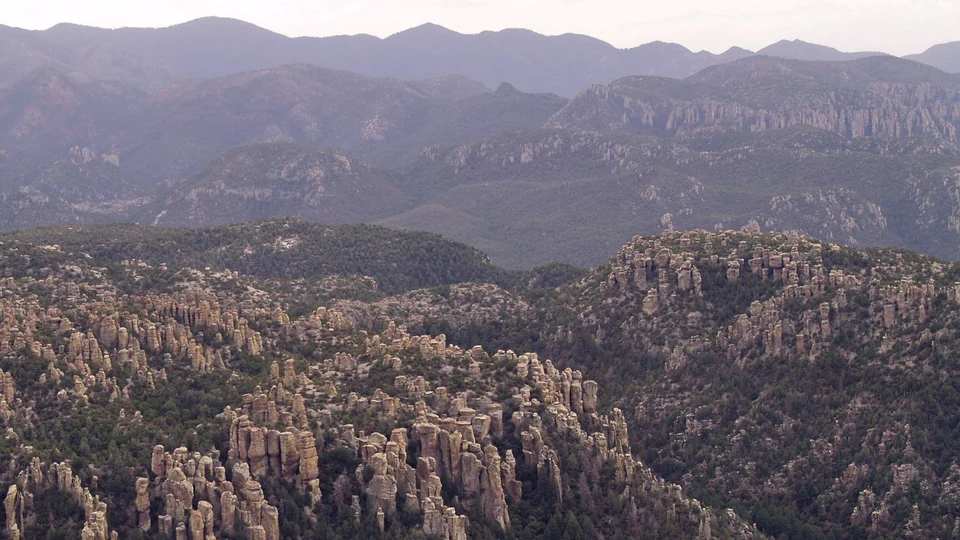
Chiricahua is widely known as the “Wonderland of Rocks,” a name inspired by its towering rock formations and unusual geological landscape. The dramatic stone structures give the area a distinctive appearance, making it an appealing destination for visitors interested in nature, photography, hiking and outdoor exploration.
The Chiricahua Mountains also support diverse wildlife and provide opportunities for birdwatching. The area’s natural surroundings and dark night skies offer additional attractions for visitors hoping to observe wildlife or experience the landscape away from brightly lit urban environments.
Beyond its geological features, Chiricahua has a long history of human settlement. Its combination of natural scenery, wildlife and cultural significance gives the park several potential attractions for travellers with different interests.
The national park designation is expected to help bring these features to a wider audience. Travellers who primarily plan visits around established national parks may be more likely to consider Chiricahua now that it carries the same official designation.
For Arizona, the change also strengthens the state’s national park portfolio. The state is already home to internationally recognised destinations, including Grand Canyon National Park and Saguaro National Park. Supporters hope Chiricahua will increasingly feature in travel itineraries across the American Southwest.
First New US National Park Since 2020
Chiricahua’s elevation is particularly notable because it is the first new national park established in the United States since 2020, according to the information provided by officials supporting the designation.
Ciscomani also described it as the first Arizona park to receive national park status since Saguaro was upgraded from a national monument in 1994. The distinction highlights how infrequently protected landscapes receive this particular designation.
Speaking at the ceremony, Ciscomani said national park designations are rare events that do not happen every year or even every decade. He described the decision as an important moment for the country, emphasising the significance of securing national recognition for a landscape with longstanding conservation value.
National park status can also influence how a destination is perceived by domestic and international travellers. For many visitors, the designation signals that a place has exceptional natural, cultural or historical significance and is worth considering when planning a trip.
However, the title alone does not guarantee a tourism boom. Visitor growth will depend on public awareness, travel access, available facilities, local accommodation and the ability of park managers to protect the landscape while accommodating additional demand.
Willcox Hopes National Park Status Will Boost Tourism
Communities across southeastern Arizona are among the expected beneficiaries of the designation. Willcox, a regional community that local officials hope will attract more travellers, has welcomed the announcement as an opportunity to strengthen tourism and encourage economic development.
Willcox Mayor Greg Hancock celebrated the decision during the designation ceremony, describing it as exciting news for Willcox, Cochise County, Arizona and the United States.
Hancock framed the designation as an investment in rural America. He said local leaders had not pursued the change simply to replace an existing sign with a new one. Their goal was to support the community’s future through tourism, greater national recognition, new business opportunities and additional investment throughout Willcox and southern Arizona.
The expected economic benefits could extend beyond businesses operating directly at the park. Visitors travelling to Chiricahua may also spend money on accommodation, restaurants, fuel, groceries and other services in surrounding communities.
Small businesses could benefit if more travellers stay overnight, extend their visits or include nearby destinations in their itineraries. Hotels, motels, restaurants, roadside attractions and shops may all have opportunities to reach a larger customer base.
Nevertheless, the scale of those benefits remains uncertain. Tourism growth does not automatically translate into equal gains for every community or business. The results will depend on how visitors travel through the region, where they stay, how long they remain and whether local businesses can meet increased demand.
Visitor Numbers Could Rise Significantly
Interior Secretary Burgum expects Chiricahua’s national park designation to increase visitor numbers significantly. Approximately 70,000 people visited the area in 2025, according to figures cited by Burgum, and he predicted that the new status would attract substantially more visitors.
Burgum described the national park designation as one of America’s most powerful brands. The name could help introduce Chiricahua to travellers who might not previously have considered visiting the former national monument.
National parks frequently feature in road trips, family holidays, photography tours and outdoor recreation itineraries. Greater visibility could encourage travellers already exploring Arizona to add Chiricahua to their plans, while some visitors may make a dedicated trip to experience its unusual rock formations and natural surroundings.
However, officials have not provided a confirmed post-designation visitor target in the information available. Any increase will take time to measure, and the actual outcome will depend on travel trends, park facilities, public awareness and broader economic conditions.
The transition could also create opportunities for regional tourism organisations to promote Chiricahua alongside other attractions in southern Arizona. Coordinated marketing may encourage visitors to explore multiple destinations instead of treating the national park as a brief stop on a longer journey.
Roadside Businesses Also Anticipate More Customers
The anticipated tourism boost has attracted interest from businesses located along routes leading to Chiricahua. Ciscomani highlighted the potential benefits after stopping at “The Thing,” a well-known roadside attraction along Interstate 10 near Dragoon while travelling to the park.
According to Ciscomani, staff at the attraction expressed excitement about the possibility of receiving more customers as Chiricahua gained national park status.
The example illustrates how tourism spending can extend beyond a park’s boundaries. Travellers often make stops for food, fuel, attractions and shopping while travelling between destinations. Businesses along major highways and regional roads may therefore benefit if the national park becomes a more popular stop.
Increased visitor traffic could also encourage entrepreneurs to explore new services for travellers. Depending on demand, opportunities could emerge in accommodation, guided experiences, local food, transportation and other visitor-related activities.
For rural communities, even a gradual rise in tourism spending may help support existing businesses and create incentives for new investment. However, local businesses will need to assess demand carefully, since higher visitor numbers alone do not guarantee sustained revenue or long-term job creation.
National Park Service Faces Funding and Staffing Questions
Despite the optimism surrounding Chiricahua’s new status, concerns remain about whether the National Park Service will have sufficient resources to manage a potential increase in visitors.
Higher attendance can create additional demands for park rangers, maintenance teams, visitor information services and other essential operations. Trails, signs, roads, public facilities and other infrastructure may require more frequent maintenance as use increases.
Burgum acknowledged that additional visitors would require adequate staffing, infrastructure funding and visitor programmes. He indicated that the park’s new designation could help it receive greater federal funding priority, although the extent and timing of any additional resources have not been established in the information provided.
The concerns are part of a broader debate about the resources available to America’s national parks. Critics argue that the government must ensure existing parks have sufficient staff and funding to protect visitors, maintain facilities and preserve natural environments before celebrating the creation of another national park.
Bill Wade, executive director of the Association of National Park Rangers, raised concerns about staffing and budgets. Wade accused Burgum of systematically weakening the National Park Service through staff dismissals, budget cuts and the redirection of visitor entrance fees towards President Trump’s projects in Washington, DC.
These are Wade’s criticisms of the administration’s approach to park management. They highlight a wider disagreement over whether the National Park Service can meet its responsibilities while facing pressure on staffing and funding.
Wade also warned that Arizona’s national parks were already under serious strain, describing the situation as a breaking point. His comments raise questions about how additional visitor demand at Chiricahua could affect park operations if new resources do not keep pace with attendance.
What Higher Visitor Numbers Could Mean for Park Infrastructure
If Chiricahua attracts substantially more visitors, park managers may need to evaluate whether existing facilities can accommodate the additional demand without compromising visitor safety or the natural environment.
More visitors can mean heavier use of trails, parking areas and public facilities. Park staff may also need to provide more visitor information, manage traffic, respond to emergencies and monitor sensitive areas to minimise damage to the landscape.
Infrastructure investment could help address some of these pressures, but planning will be important. Expanding visitor capacity without appropriate environmental safeguards could undermine the natural qualities that make Chiricahua attractive in the first place.
National park management involves balancing public access with conservation. The goal is not simply to bring in as many visitors as possible, but to ensure people can experience the landscape while protecting its geological formations, wildlife and cultural resources for future generations.
For Chiricahua, the challenge will be to convert increased national attention into sustainable tourism. That could require coordination between federal park officials, local governments, tourism organisations and businesses throughout the region.
New Signs and Websites to Reflect the Designation
The immediate changes at Chiricahua will largely involve its name and public identity. Burgum said the National Park Service would update websites, signs and other materials to reflect the new designation.
The changes are expected to take time, meaning visitors may continue to encounter older references to Chiricahua National Monument during the transition. The designation does not mean every sign, publication or digital resource will change immediately.
According to Burgum, existing visitor access will continue during the transition. Travellers should therefore expect the primary change to be the site’s official status and branding rather than an immediate transformation of the visitor experience.
The updated name may gradually appear across official tourism information, maps and promotional materials. Greater consistency in branding could make Chiricahua easier for prospective visitors to identify when researching national parks and planning journeys through Arizona.
Visitors planning a trip should consult current National Park Service information for the latest details on operating arrangements, available facilities and any temporary notices. As the transition progresses, official channels will be important for confirming updated park information.
What Happens Next for Chiricahua National Park?
The next phase will involve implementing the new designation, updating public-facing materials and assessing the resources needed to manage the park. Local officials will also be watching to see whether the national park name translates into measurable increases in tourism and spending.
For Willcox and neighbouring communities, the main objective is to turn national recognition into lasting economic opportunities. Businesses may benefit from greater exposure, while tourism organisations could use the designation to encourage longer visits and promote other attractions in southeastern Arizona.
At the same time, the National Park Service will need to balance the opportunities associated with increased attendance against the practical demands of maintaining facilities, supporting staff and protecting the landscape.
The extent of federal investment will be particularly important. Burgum has suggested that national park status could improve Chiricahua’s prospects for infrastructure funding, but the designation itself does not establish how much additional money will be provided or when it will arrive.
Future visitor figures, staffing decisions and infrastructure improvements will help determine whether the park can accommodate greater demand while preserving the qualities that earned it national recognition.
Why Chiricahua’s National Park Status Matters
Chiricahua’s elevation from national monument to national park is both a conservation milestone and an economic opportunity for southeastern Arizona. The designation gives the 12,025-acre landscape a higher-profile identity while creating fresh possibilities for tourism businesses and rural communities.
Its distinctive rock formations, wildlife, birdwatching opportunities, dark night skies and cultural history provide a strong foundation for attracting visitors. Local leaders hope that national recognition will encourage more travellers to explore the region and spend money with businesses outside the park itself.
Yet the long-term success of the designation will depend on more than its name. Adequate funding, sufficient staffing, reliable infrastructure and responsible visitor management will be essential if the park is to accommodate growing interest without damaging the environment.
With approximately 70,000 visitors recorded in 2025, Chiricahua begins its new chapter with considerable potential for growth. Whether that potential becomes a sustained tourism success will depend on how effectively federal officials and local communities manage the opportunities and challenges ahead.
For now, the national park designation places Chiricahua more firmly on the map of America’s protected landscapes. The challenge ahead is to ensure that greater recognition benefits the surrounding region while preserving the natural and cultural heritage that makes the “Wonderland of Rocks” distinctive.
For breaking news and live news updates, like us on Facebook or follow us on Twitter and Instagram. Read more on Latest World on thefoxdaily.com.


COMMENTS 0