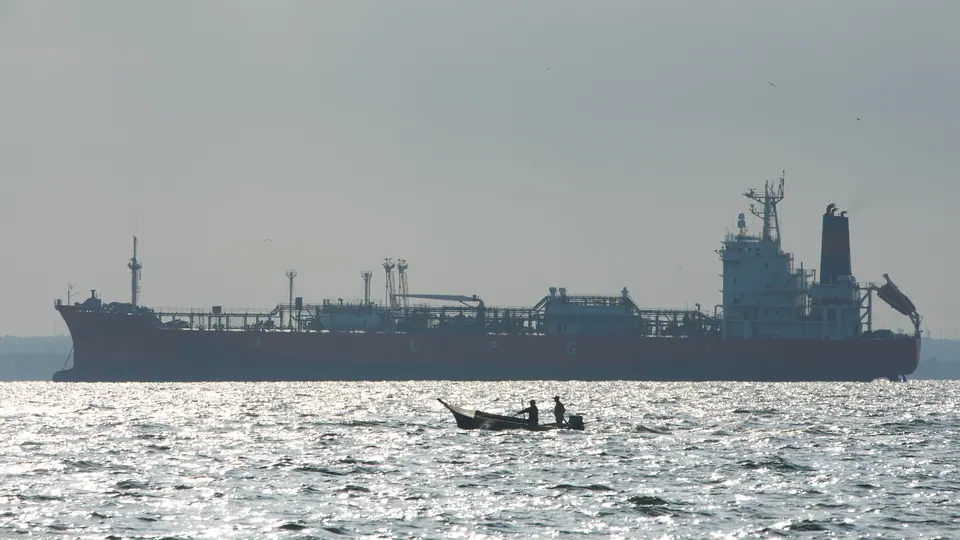
A diesel tanker sank off the coast of Ibiza in the early hours of Thursday, November 26, leaving one crew member dead and raising concerns about a possible marine pollution emergency in the Balearic Islands. The Malta-flagged chemical tanker Med Emre went down approximately 25 nautical miles (46 kilometres) from the Spanish island while travelling from Algeciras to Barcelona.
Spanish emergency services said all 17 crew members were rescued, although one person died after being taken directly to Can Misses Hospital in Ibiza. Six other crew members were transported to the island with minor injuries, primarily hypothermia. The remaining survivors were divided between a rescue vessel and onward transportation to Valencia.
The incident prompted Spain’s maritime authorities to activate the national maritime pollution contingency plan at Level 2, the second-highest level of response. The tanker may have been carrying as much as 7,000 metric tonnes of diesel, according to the Balearic Islands’ interior department, raising concerns about the potential consequences if fuel escapes from the wreck.
Spain’s maritime rescue service deployed a specialised oil-spill response vessel, an aircraft and helicopters to support rescue operations and assess the environmental situation. The sinking is particularly concerning because the waters northeast of Ibiza contain sensitive marine habitats, including seagrass meadows, sea turtle habitats and areas frequented by dolphins and threatened seabirds.
What Happened to the Med Emre Diesel Tanker?
The Med Emre was sailing from Algeciras in southern Spain towards Barcelona when it sank in the Mediterranean Sea, approximately 25 nautical miles off Ibiza. The vessel was registered under the Maltese flag and classified as a chemical tanker.
The exact circumstances surrounding the sinking have not been established. Authorities had not immediately disclosed what caused the vessel to go down or the nationalities of its 17 crew members.
The tanker may have been carrying up to 7,000 metric tonnes of diesel when the incident occurred. The figure represents the reported potential cargo quantity; authorities had not publicly confirmed how much fuel remained aboard at the time of the sinking or how much, if any, had escaped into the sea.
This distinction is important because the environmental consequences of a tanker sinking depend on several factors, including the condition of its fuel tanks, the amount of cargo remaining, the depth of the wreck, water currents and weather conditions.
Even if the vessel’s tanks remain intact initially, the wreck could present a continuing pollution risk. Damage caused during the sinking, pressure at depth and deterioration over time could potentially lead to fuel leakage.
One Crew Member Dies Despite Rescue of All 17 Sailors
Spanish emergency services confirmed that all 17 people aboard the Med Emre were rescued following the sinking. However, one crew member died after being transported directly to Can Misses Hospital in Ibiza.
Six other survivors were taken to Ibiza airport and transferred to two hospitals. Their injuries were described as minor, with hypothermia identified as the main medical concern.
The remaining ten crew members were accounted for through two separate arrangements. Five were transported to Valencia, while another five remained in good condition aboard a rescue vessel.
The successful recovery of all 17 crew members brought the immediate search-and-rescue operation to a conclusion, but the death highlighted the dangers faced by sailors during maritime emergencies. Abandoning a ship in open water can expose crew members to cold temperatures, rough seas and rapidly changing conditions, particularly during nighttime operations.
Authorities had not released further details about the deceased crew member or the circumstances that led to the death after rescue.
Spain Deploys Clara Campoamor for Oil-Spill Response
Following the sinking, Spain’s maritime rescue service mobilised specialised equipment to monitor the area and prepare for a possible diesel spill.
The response included the deployment of the Clara Campoamor, a vessel designed for oil-spill response operations. An aircraft was also sent to survey the surrounding waters and help authorities assess the situation.
Three helicopters participated in the rescue effort, supported by nearby merchant vessels that assisted during the emergency.
The Clara Campoamor’s deployment is significant because responding to a tanker incident requires more than locating the wreck. Authorities must also determine whether fuel is escaping, monitor the movement of any pollution and identify the most effective containment measures.
Aircraft can help detect visible pollution over a wider area, while specialised response vessels can support operations involving containment and recovery equipment. The appropriate strategy depends on the type of fuel, sea conditions, the location of the spill and the extent of contamination.
At the time of the initial response, authorities had not confirmed the volume of diesel released into the Mediterranean or whether a substantial surface slick had formed.
Spain Activates Level 2 National Maritime Pollution Contingency Plan
Spain’s merchant marine authority activated the national maritime pollution contingency plan at Level 2, the second-highest response level under the system, following the sinking.
The activation allows authorities to coordinate a more extensive response to a potential maritime pollution incident. It reflects concern about the scale and possible consequences of the accident, particularly given the reported quantity of diesel aboard the tanker.
The Balearic regional government said it was collecting information about the sinking and assessing its possible consequences, including the risk of fuel pollution. Further measures would depend on the findings of that assessment.
The activation of a pollution contingency plan does not automatically mean that the entire reported cargo has leaked into the sea. It is a precautionary and operational response intended to ensure that equipment, personnel and coordination arrangements are available if pollution is detected.
Authorities must establish the condition of the wreck and determine whether its tanks are intact before the full environmental threat can be assessed.
Why the Waters Around Ibiza Are Environmentally Sensitive
The location of the sinking has increased concern because the waters northeast of Ibiza contain important marine ecosystems. The Balearic Islands are surrounded by habitats that support a wide range of marine species and play an important role in the ecological health of the western Mediterranean.
Among the most significant features are extensive meadows of Posidonia oceanica, a seagrass species native to the Mediterranean Sea. These underwater meadows provide shelter and feeding grounds for marine organisms, help maintain water quality and contribute to coastal ecosystem stability.
Posidonia seagrass meadows face a potential pollution threat
Posidonia oceanica is not ordinary seaweed. It is a flowering marine plant that forms dense underwater meadows across parts of the Mediterranean. Its extensive root and rhizome systems stabilise seabed sediments, while its leaves provide habitat for numerous marine species.
These meadows also contribute to carbon storage and help reduce coastal erosion by influencing sediment movement and wave energy. Because they grow relatively slowly, damage to established meadows can take a long time to recover.
A diesel spill could threaten these ecosystems if fuel reaches sensitive coastal or underwater habitats. Hydrocarbon pollution can affect marine plants and animals through direct contact, toxic exposure and changes to the surrounding environment.
The actual level of risk from the Med Emre sinking will depend on whether diesel has escaped and how currents transport any released fuel. The location of the wreck alone does not establish that Posidonia meadows have been contaminated.
Sea turtles, dolphins and threatened seabirds
The waters northeast of Ibiza are also habitat for sea turtles and dolphins. These animals depend on healthy marine environments for feeding, movement and reproduction.
Oil and fuel pollution can harm marine wildlife through several exposure routes. Animals may come into direct contact with contaminated water, ingest polluted prey or be affected by hydrocarbons accumulating in their habitats.
The region is also important for the Balearic shearwater, one of Europe’s most threatened seabirds. The species spends much of its life at sea and returns to land to breed. Pollution can affect seabirds by contaminating their feathers, reducing their ability to maintain insulation and potentially causing toxic exposure when they attempt to clean themselves.
For this reason, the environmental response must consider not only visible fuel contamination but also the possibility of pollution reaching feeding areas and sensitive marine habitats.
How a Diesel Spill Could Affect the Mediterranean
Diesel behaves differently from heavier fuel oils, but a large release can still create serious environmental problems. Once discharged into seawater, diesel can spread across the surface, undergo evaporation and dispersion, and leave chemical components in the marine environment.
The speed and direction of its movement depend on factors such as wind, currents, temperature and wave activity. A spill may spread over a large area, making early monitoring and containment particularly important.
Potential environmental consequences include:
- Marine wildlife exposure: Fish, seabirds, turtles and marine mammals may come into contact with fuel or contaminated water.
- Damage to seagrass: Hydrocarbon exposure could affect sensitive underwater vegetation, including Posidonia oceanica meadows.
- Coastal contamination: If currents carry fuel towards shore, beaches, rocky coastlines and coastal habitats could be affected.
- Food-chain disruption: Contamination may affect smaller marine organisms that form part of the food supply for larger species.
- Economic consequences: A significant spill could disrupt fishing, tourism and other activities dependent on clean coastal waters.
However, these are potential consequences rather than confirmed impacts from the Med Emre accident. The extent of any damage will depend on the amount of fuel released and the effectiveness of the response.
Spain’s Previous Major Oil Disaster: The Prestige Tanker Sinking
The Med Emre incident has brought back memories of one of Spain’s worst maritime environmental disasters: the sinking of the oil tanker Prestige in 2002.
The Bahamas-flagged Prestige sank off the coast of Galicia in northwestern Spain after suffering structural damage during severe weather. The vessel was carrying heavy fuel oil, and its sinking released tens of thousands of tonnes of oil into the sea.
The resulting pollution spread along extensive stretches of coastline in Spain and France, contaminating beaches, affecting marine ecosystems and disrupting fishing and other coastal economic activities.
The Prestige disaster required a large-scale clean-up operation and became a major example of the long-term environmental and economic consequences of tanker accidents. It also raised questions about maritime safety, the management of ageing vessels and the risks associated with transporting large quantities of oil through busy shipping routes.
The comparison with the Med Emre incident is relevant because both accidents involve tankers sinking in Spanish waters and the possibility of significant marine pollution. However, the circumstances are different. The Prestige carried heavy fuel oil, while the Med Emre was reportedly transporting diesel. The type of cargo, quantity released, sea conditions and location will influence the environmental consequences.
It would therefore be premature to suggest that the Ibiza incident will produce damage on the scale of the Prestige disaster.
What Happens Next in the Med Emre Pollution Response?
The immediate priority for Spanish authorities is to establish the condition of the sunken tanker and determine whether diesel is escaping from its tanks. The specialised response vessel and aerial surveillance are expected to support monitoring and any necessary containment operations.
Authorities will also need to assess the movement of any released fuel and identify whether it could reach environmentally sensitive areas around Ibiza and the wider Balearic Islands.
Several factors will shape the next stage of the response:
- Wreck inspection: Establishing the location and condition of the tanker and checking whether its cargo tanks remain intact.
- Pollution monitoring: Identifying any surface slicks and assessing the volume and spread of released diesel.
- Containment and recovery: Deploying suitable equipment if fuel leakage is detected and conditions allow effective intervention.
- Environmental assessment: Monitoring sensitive marine habitats and wildlife areas for signs of contamination.
- Accident investigation: Determining why the tanker sank and whether mechanical failure, weather or another factor contributed to the incident.
The nationalities of the crew members and the cause of the sinking had not been disclosed in the initial reports. Further information from maritime authorities will be necessary to establish the sequence of events.
Diesel Tanker Disaster Raises Fresh Concerns Over Mediterranean Maritime Safety
The sinking of the Med Emre has created two immediate concerns for Spain: the loss of a crew member despite the rescue of all 17 sailors and the possibility of diesel pollution in an environmentally sensitive part of the Mediterranean.
The activation of the Level 2 national maritime pollution contingency plan and the deployment of the Clara Campoamor show that authorities are preparing for a potentially serious environmental response. Yet the scale of the threat remains uncertain until investigators establish how much fuel was aboard and whether any of it has escaped.
For Ibiza and the wider Balearic Islands, the condition of the surrounding marine ecosystem will be an important part of the response. Posidonia seagrass meadows, dolphins, sea turtles and threatened seabirds make the region particularly important for marine conservation.
Spain’s experience with the Prestige disaster demonstrates how difficult and costly it can be to manage a major tanker spill. Whether the Med Emre sinking develops into a comparable environmental emergency will depend on the condition of the wreck, the movement of any released diesel and the effectiveness of containment measures in the coming days.
For breaking news and live news updates, like us on Facebook or follow us on Twitter and Instagram. Read more on Latest World on thefoxdaily.com.


COMMENTS 0