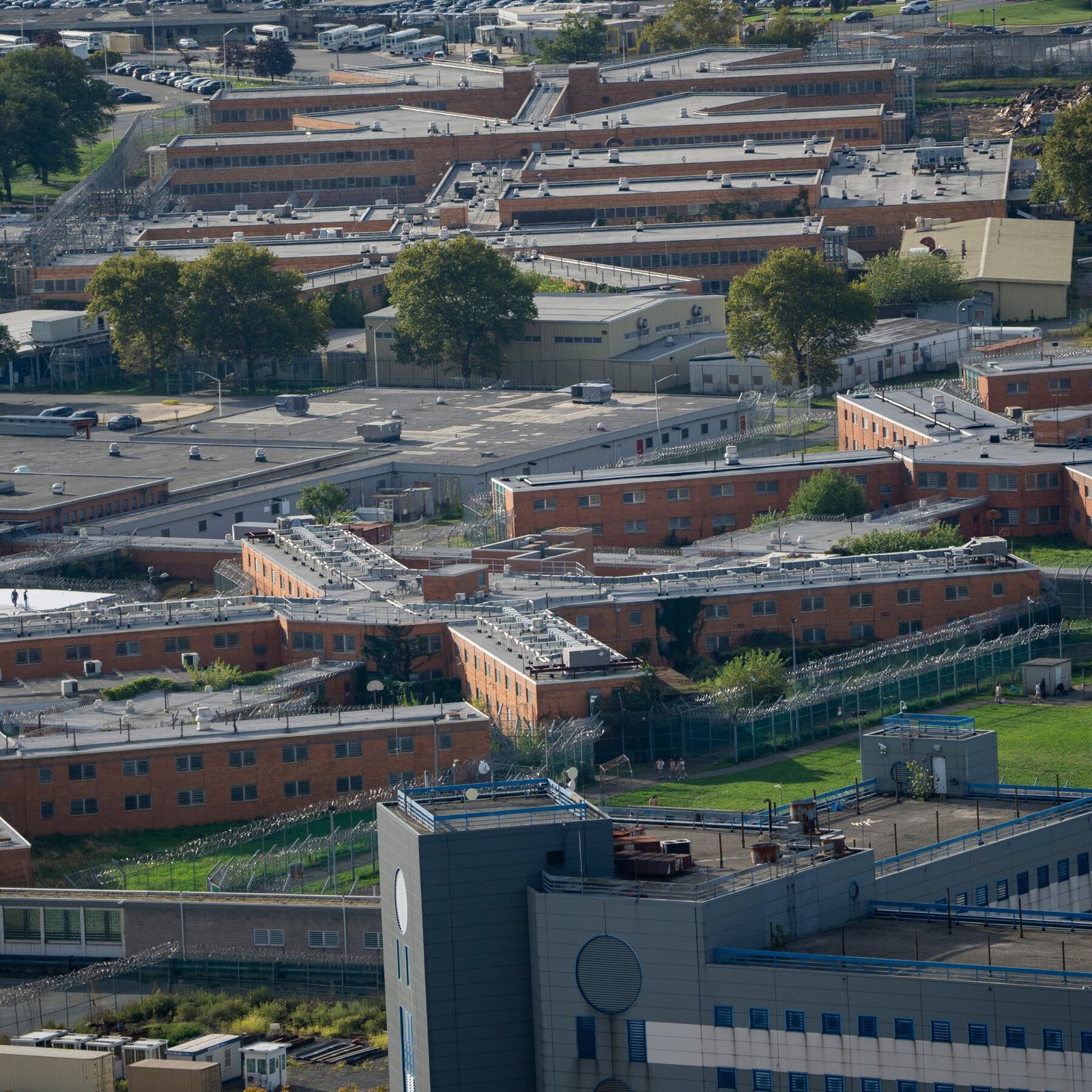
New York City Mayor Zohran Mamdani has unveiled a plan to close the notorious Rikers Island jail complex by the end of 2032, setting a new timeline for an initiative that has faced years of construction delays, political disagreements and concerns over conditions inside the facility. The strategy depends on reducing the city’s jail population, completing four replacement facilities across New York’s boroughs and expanding alternatives to incarceration.
The proposed deadline is five years later than the existing legal requirement, which mandates that Rikers close by August 31, 2027. The city is now expected to miss that target, as the replacement jails are not scheduled to open until 2029 at the earliest. The new timeline will require legislative changes and cooperation between City Hall, the City Council, courts and other criminal justice institutions. :chatgpt-content-reference{index=”0″}
For decades, Rikers Island has been associated with overcrowding, violence, deaths in custody and deteriorating jail conditions. Mamdani’s announcement renews the city’s commitment to replacing the complex with smaller facilities closer to the communities, courts and families of people held in custody.
Why Does Mamdani Want to Close Rikers Island?
Located in the East River near LaGuardia Airport, Rikers Island houses New York City’s main jail complex. The facility has been criticised for years over violence, overcrowding, staffing problems and failures to provide adequate care to people in custody.
The problems have attracted federal intervention. A federal judge previously appointed an outside manager to oversee reforms after describing conditions inside the jail system as abnormal and unacceptable. The oversight was intended to address persistent failures and improve safety for both incarcerated people and correctional staff.
Criminal justice advocates have argued that the problems at Rikers cannot be resolved through isolated reforms alone. They have called for the complex to be shut down and replaced with smaller, more modern facilities that provide better access to healthcare, legal assistance and family visits.
Mamdani has repeatedly supported closing the island’s jails. Announcing the latest plan, he said New Yorkers had demanded a correctional system that was safe and humane for decades. He also described closing Rikers as a legal and moral obligation, extending the commitment to people in custody, jail employees, crime victims and the wider public.
Why Will Rikers Island Remain Open Beyond the 2027 Deadline?
New York City’s original closure plan required the Rikers complex to be replaced by four borough-based jails by August 31, 2027. However, the city has struggled to complete the construction and population-reduction measures necessary to make the transition possible.
The first replacement facility, planned for Brooklyn, is not expected to open until 2029. The Bronx and Queens facilities are scheduled for 2031, while the Manhattan jail is expected to follow in 2032. This construction schedule makes the original legal deadline practically impossible to meet. :chatgpt-content-reference{index=”1″}
The new plan therefore proposes extending the closure timeline to the end of 2032. That change is not automatic: the existing city law must be amended, requiring action by the New York City Council.
Previous administrations also faced difficulties implementing the closure plan. Former Mayor Eric Adams questioned aspects of the borough-jail strategy and opposed federal oversight of the city’s correctional system. Delays in construction and disagreements over the scale of the replacement facilities further complicated the process.
The Mamdani administration is now attempting to establish a clearer timetable while addressing the two central obstacles: completing the new jails and reducing the number of people held in city custody.
Four New Jails to Replace the Rikers Island Complex
Under the proposed plan, people currently held at Rikers will gradually be transferred to smaller facilities in Brooklyn, the Bronx, Queens and Manhattan. The new jails are intended to replace the island-based complex with a borough-based correctional system.
The planned opening schedule is:
- Brooklyn: The first replacement jail is expected to open in 2029.
- The Bronx: The new facility is scheduled to open in 2031.
- Queens: The replacement jail is also expected to open in 2031.
- Manhattan: The final borough-based facility is scheduled to open in 2032.
The facilities are expected to provide a more modern environment for people in custody and correctional employees. Their locations closer to courts and residential communities are also intended to make it easier for families, lawyers and service providers to maintain contact with incarcerated people.
People who require specialised medical or psychiatric treatment will also be accommodated through hospital-based facilities rather than being placed exclusively in conventional jail settings. The city has outlined plans for additional therapeutic housing capacity at medical institutions, including Woodhull Hospital in Brooklyn and North Central Bronx Hospital. :chatgpt-content-reference{index=”2″}
The transition will take place gradually as the new facilities become operational. Rikers cannot be emptied until sufficient replacement capacity is available and the city can safely transfer people currently held in its custody.
Reducing the Jail Population Is Central to Mamdani’s Plan
Building four replacement jails will not be enough to close Rikers. The city must also reduce the number of people held in custody because the new correctional system is designed to accommodate a smaller population than the existing jail network.
More than 6,500 people are currently held in New York City’s jails, while the replacement facilities are expected to provide substantially lower capacity. The administration’s broader strategy includes reducing the population to no more than 4,100 by the end of 2032, while the replacement system is designed around approximately 4,500 beds, including specialised therapeutic capacity. These figures represent different planning measures rather than identical targets. :chatgpt-content-reference{index=”3″}
To achieve the reduction, the administration plans to expand diversion programmes and supervised release arrangements. These initiatives are intended to provide alternatives for eligible people who might otherwise remain in jail while awaiting trial or dealing with other stages of their cases.
The city also wants to expand housing and social services for people leaving custody. Access to stable accommodation, healthcare and employment support can help address circumstances that contribute to repeated involvement with the criminal justice system.
Another part of the strategy involves restoring an online bail payment system. The administration believes improving access to bail payments could help prevent people from remaining in custody simply because they cannot complete the payment process promptly.
How Court Delays and Pretrial Detention Affect the Closure Plan
A major challenge for New York City’s jail system is the length of time people spend in custody while their criminal cases are pending. A significant proportion of the jail population consists of people awaiting trial rather than serving sentences following convictions.
Long delays can increase the number of people held in jail at any given time, even when fewer individuals are being sent into custody. The administration therefore plans to work with courts, prosecutors and other criminal justice agencies to address backlogs and accelerate case processing.
Proposed measures include improving the transfer of evidence to prosecutors, strengthening coordination between city agencies and establishing a task force with the state court system and other stakeholders.
The administration has argued that reducing unnecessary delays could lower the daily jail population without requiring the city to rely exclusively on new detention facilities. However, achieving this will depend on cooperation from institutions that operate independently of the mayor’s office.
The plan also includes expanded supervised release and community-based support for eligible individuals. These programmes are intended to reduce the number of people detained before trial while maintaining mechanisms for monitoring and support.
More Housing, Healthcare and Support for People Leaving Jail
Mamdani’s strategy extends beyond changing where incarcerated people are held. It also seeks to address some of the conditions that can contribute to repeated arrests and prolonged involvement with the correctional system.
The administration has proposed expanding supportive housing, reentry services, mental healthcare, substance-use treatment and educational opportunities. The goal is to help people transition back into their communities and reduce the likelihood of returning to jail.
The plan also includes additional resources for crime victims and survivors. City officials have said that improving services for victims must remain part of the wider effort to reform the correctional system.
Hospital-based therapeutic facilities are another component. People with serious medical or psychiatric needs may require specialised treatment that conventional jail facilities are not designed to provide. Moving eligible individuals into appropriate medical settings could improve access to care while reducing pressure on the jail population.
These measures are important to the closure strategy because reducing the number of people held in custody requires more than changing bail procedures. It also involves addressing healthcare needs, housing instability, court delays and the support available after release.
Rikers Island’s Long History of Controversy
Rikers Island has housed jail facilities since the 1930s and has become one of the most controversial parts of New York City’s criminal justice system. Over the decades, reports of violence, inadequate medical care, overcrowding and deaths in custody have fuelled demands for its closure.
One of the most widely remembered cases associated with Rikers is that of Kalief Browder. He was arrested as a teenager and spent approximately three years in the jail complex, much of that time awaiting trial. His case became a prominent example in discussions about prolonged pretrial detention and the treatment of young people in custody.
Browder died by suicide in 2015 at the age of 22, two years after his release. His experience helped bring national attention to the consequences of lengthy detention without a conviction and strengthened calls for changes to New York City’s criminal justice system.
Activists have argued that replacing Rikers with smaller facilities is necessary to address the complex’s longstanding problems. However, critics of reducing the jail population have raised concerns about public safety, arguing that releasing more people or expanding alternatives to detention could create risks if eligibility and supervision are not carefully managed.
What Happens to Rikers Island After the Jail Closes?
The closure plan raises another question: what will happen to the island once it no longer operates as a jail complex?
For now, the administration’s immediate priority is completing the transition to borough-based facilities. However, city officials have also begun considering possible future uses for the land, including renewable energy infrastructure, wastewater treatment and projects that acknowledge the island’s history.
Any redevelopment would require separate planning and decisions about the island’s environmental, infrastructure and public-use needs. The closure of the jails would therefore mark the beginning of another long-term discussion about how the city should use the site.
Can Mamdani Meet the New 2032 Rikers Closure Target?
The new deadline provides a longer construction window, but it does not remove the practical challenges facing the city. Brooklyn’s replacement jail is not expected to open until 2029, while the remaining facilities will follow over the next three years. The administration must also reduce the jail population, improve conditions at the existing complex and secure the cooperation needed to change the legal deadline.
Public safety concerns will remain part of the debate, particularly around proposals to expand supervised release and reduce pretrial detention. The administration will need to demonstrate that its alternatives can operate effectively while ensuring that victims’ interests and community safety are addressed.
Construction delays, court backlogs and the availability of appropriate medical facilities could also affect the timetable. If the population does not fall as planned or replacement facilities are delayed again, the transition could face further complications.
To monitor progress, the administration has committed to issuing quarterly updates covering construction, spending and changes in the jail population. These reports will provide a way to assess whether the city is moving towards its stated deadline. :chatgpt-content-reference{index=”4″}
Mamdani’s announcement marks a renewed attempt to end the city’s reliance on Rikers Island after decades of controversy and repeated delays. But the success of the plan will depend on whether New York can complete the four replacement jails, reduce unnecessary detention and build a correctional system capable of operating safely beyond the island.
For breaking news and live news updates, like us on Facebook or follow us on Twitter and Instagram. Read more on Latest World on thefoxdaily.com.






COMMENTS 0