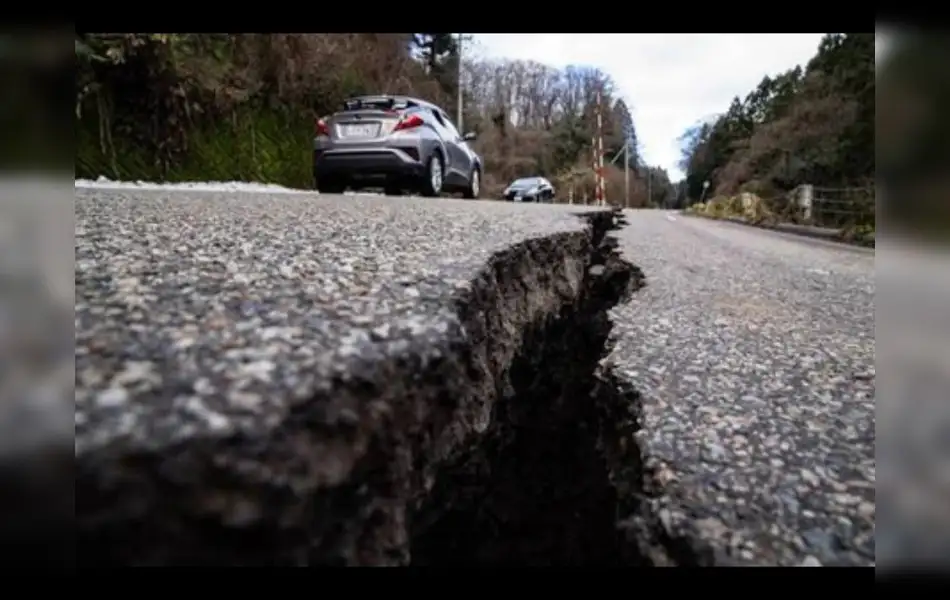
A magnitude 5.1 Earthquake struck Central California late Thursday night, November 19, near Soledad in Monterey County, prompting questions about whether the tremor was also felt in Los Angeles. Despite the Los Angeles-focused searches, the earthquake was not centred near LA. Its epicentre was approximately 21 kilometres northeast of Soledad, close to Pinnacles National Park, and the tremor occurred at a shallow depth of about 6.7 kilometres.
Was There an Earthquake in Los Angeles on Friday?
The magnitude 5.1 earthquake reported on Friday was not a Los Angeles earthquake. The tremor occurred in Central California, well north of the city, and there were no confirmed reports linking this particular event to shaking in Los Angeles.
The earthquake was felt in several communities closer to the epicentre. Reports indicated that residents in areas including Marina and parts of the wider Monterey Bay region experienced shaking. Some people also received earthquake alerts on their mobile phones.
Los Angeles is located in Southern California, a separate region from the earthquake’s epicentre. Although earthquakes can sometimes be felt over considerable distances, the available reports did not establish that the Soledad-area tremor was felt in Los Angeles.
When and Where Did the California Earthquake Strike?
According to the US Geological Survey (USGS), the earthquake occurred at approximately 10:49 pm Pacific Time on Thursday, November 19. Its epicentre was around 21 kilometres, or 13 miles, northeast of Soledad, California.
The earthquake had a reported depth of approximately 6.7 kilometres, equivalent to about 4.2 miles. Its relatively shallow depth meant that communities closer to the epicentre could experience noticeable ground movement.
The location was also close to Pinnacles National Park, an area in Central California known for its distinctive rock formations and caves. The earthquake was initially reported at magnitude 5.4, but the USGS subsequently revised the estimate to 5.1 following updated analysis.
Nearby communities included Soledad, Gonzales, Greenfield and Salinas. Salinas, one of the larger population centres in the region, is approximately 40 kilometres from the epicentre.
Several Smaller Earthquakes Recorded Around Soledad
The magnitude 5.1 earthquake was accompanied by other seismic activity in the surrounding area. Smaller tremors were recorded before and after the main earthquake on Thursday night.
Seismic records showed that a magnitude 3.1 earthquake occurred at approximately 9:53 pm, followed by a magnitude 3.3 tremor at around 10:12 pm. The stronger magnitude 5.1 earthquake followed at approximately 10:49 pm.
Additional smaller earthquakes were recorded later that night, including a magnitude 3.4 tremor at approximately 11:14 pm. This sequence attracted attention because several earthquakes occurred within a relatively short period and in the same general area.
Smaller earthquakes following a larger event can be aftershocks, as the surrounding crust adjusts to changes in stress. However, determining the relationship between individual earthquakes requires seismological analysis.
Were There Any Injuries or Damage After the Earthquake?
There were no immediate reports of major damage or injuries following the magnitude 5.1 earthquake in the initial updates. Authorities and seismic monitoring agencies continued to track activity in the region as information became available.
Residents in parts of Central California reported feeling the shaking, while some received alerts through earthquake warning systems. Such notifications are designed to provide a short warning when seismic waves are detected, potentially giving people time to take protective action before stronger shaking arrives.
The absence of immediate damage reports does not necessarily mean that every affected location was unaffected. Information about structural damage and local impacts can take time to emerge, particularly when an earthquake occurs late at night.
Why Is California Prone to Earthquakes?
California experiences frequent earthquakes because it lies along an active tectonic region where the Pacific Plate and North American Plate interact. Their movement creates stress within the Earth’s crust, which can eventually be released through earthquakes along faults.
One of the best-known geological features in the state is the San Andreas Fault system, which extends through much of California. It forms part of the boundary between the Pacific and North American plates and is associated with significant seismic activity.
However, the precise fault responsible for the November 19 earthquake had not been identified in the initial reports. Its location in a seismically active part of Central California does not, by itself, establish that the earthquake occurred directly on the San Andreas Fault.
Los Angeles also faces earthquake risks because of its location within a region containing numerous active faults. The city has experienced destructive earthquakes in the past, including the 1994 Northridge earthquake, which caused extensive damage and loss of life.
What Should Residents Do During an Earthquake?
Earthquake safety experts recommend following the ‘Drop, Cover and Hold On’ procedure when shaking begins. People indoors should drop to their hands and knees, take cover beneath a sturdy table or desk, and hold on until the shaking stops.
Moving outdoors or attempting to use stairs during strong shaking can increase the risk of injury. People should also stay away from windows, glass and heavy objects that could fall.
After an earthquake, residents should check for injuries, watch for damaged structures and follow instructions from local emergency authorities. Those in areas where aftershocks are possible should remain prepared for additional shaking.
What Happens Next After the 5.1 California Earthquake?
Seismic agencies continue to monitor the region for additional earthquakes and update their measurements as more data becomes available. The magnitude of a newly recorded earthquake can change as seismologists analyse additional information, as happened when the initial 5.4 estimate was revised to 5.1.
For residents in Central California, the immediate focus remains on monitoring aftershocks and checking for any delayed reports of damage. For people searching for an earthquake in Los Angeles, the key distinction is that Friday’s widely reported tremor occurred near Soledad in Central California, not in the Los Angeles area.
Scientists cannot reliably predict the exact time, location or magnitude of the next earthquake. Residents across California are therefore encouraged to maintain emergency supplies, secure heavy household objects and familiarise themselves with earthquake safety procedures.
For breaking news and live news updates, like us on Facebook or follow us on Twitter and Instagram. Read more on Latest World on thefoxdaily.com.






COMMENTS 0