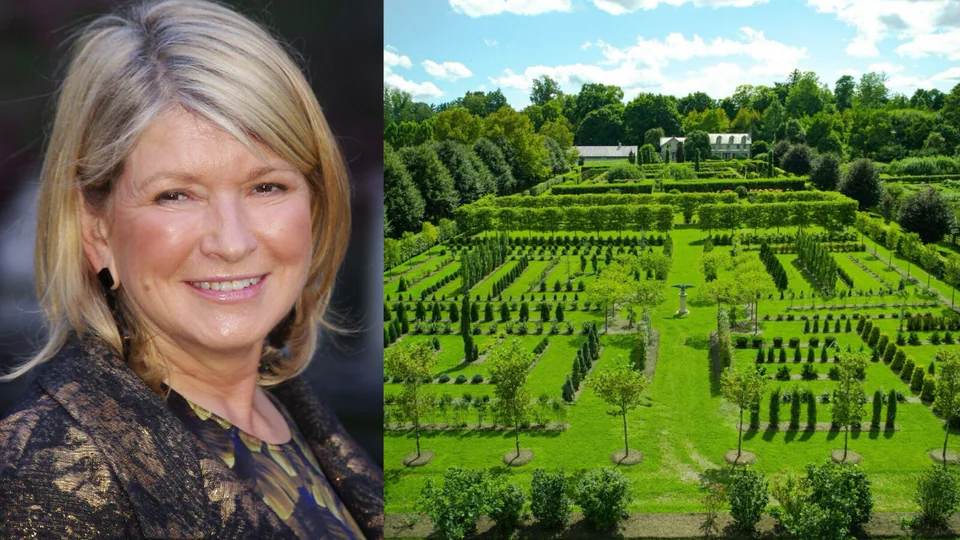
More than two decades after buying her sprawling property in Bedford, New York, Martha Stewart continues to expand the farm’s collection of animals. Known worldwide as a television personality, author and home-living expert, Stewart has built a country retreat that is increasingly defined by its birds, including pheasants, chickens and peafowl.
Her pheasant flock has grown from 11 birds in March 2026 to 19 by July, while the property is also home to more than 100 chickens of different breeds. The steady additions reflect Stewart’s continuing interest in poultry keeping and her approach to developing the farm as a living, evolving space rather than a completed project.
The property, which Stewart purchased in 2000, has been part of her life for 26 years. Over that period, it has developed into a diverse farm with poultry enclosures, a stable and space for several kinds of animals.
A New York Farm That Has Grown Since 2000
Stewart purchased the Bedford property in 2000. The Associated Press reported in November of that year that she had completed the purchase of a 153-acre estate in Westchester County, New York. The property is now commonly described as a 152-acre farm, reflecting the way its size has been reported over time.
It has developed into more than a country residence. The estate includes a stable and is often described as a horse farm. It also accommodates peafowl and a growing collection of pheasants and chickens, giving the property a varied animal population.
Stewart regularly shares glimpses of farm life through her blog and social media accounts. Her updates cover the animals, their care, new arrivals and the changes taking place in their enclosures. These posts offer a look at the practical work involved in maintaining a property with so many birds.
The farm’s pheasants have also attracted attention because of their interactions with the other birds. One young male silver pheasant, for example, has been seen bowing towards two peahens in a neighbouring enclosure.
Martha Stewart’s Pheasant Flock Has Reached 19 Birds
The pheasant collection has expanded considerably during 2026. In a March 9 post, the Martha Stewart Blog reported that Stewart was caring for 11 pheasants. Ten were golden pheasants, while the newest arrival was a young silver pheasant.
By July 29, the flock had increased to 19. Stewart said some of the birds had been adopted, while others had hatched on the farm. The latest additions were three young silver pheasant hens, given to her as an early birthday present by friends Gregory Goodwin and Kyle Rush.
The three hens joined a young male silver pheasant that had arrived in February. As he grows, his appearance is expected to change significantly. Stewart has explained that a mature male silver pheasant can reach around 50 inches in total length, including a tail that may extend up to 30 inches. He is also expected to develop a long black crest as his plumage matures.
Silver pheasants are known for their distinctive appearance, but Stewart has also highlighted their temperament. She describes them as quiet and gentle birds that can share space with golden pheasants when properly cared for.
Stewart has also noted that pheasants can live for 15 to 18 years with good care. Their long potential lifespan makes their arrival a long-term commitment, involving suitable housing, feeding and attention to their health.
More Than 100 Chickens Live on the Farm
While the pheasants have become a prominent part of Stewart’s recent farm updates, the chicken population is considerably larger. She has reported keeping more than 100 chickens belonging to different breeds, each bringing its own appearance and characteristics to the property.
Stewart has frequently expressed her enthusiasm for keeping chickens, describing them as beautiful birds and enjoyable companions. Her interest extends beyond maintaining a large flock. She also follows poultry events and brings new breeds to the farm.
In January 2026, Stewart attended the Northeastern Poultry Congress in Springfield, Massachusetts. The annual event features more than 3,000 birds and brings together poultry enthusiasts and breeders. Stewart returned from the event with 13 chickens representing several breeds: Araucanas, Silkies, Sultans, Crested Polish, Buff Orpingtons and Rhode Island Reds.
New birds are not immediately mixed with the existing flock. Stewart first places arrivals in a separate enclosure before gradually introducing them to the other chickens. This separation allows the newcomers to adjust to their surroundings and helps manage the process of bringing different birds together.
What Makes the Different Chicken Breeds Special?
The variety of chickens on Stewart’s farm is not just about increasing the flock’s size. Different breeds have distinct physical features, egg-laying characteristics and temperaments, creating a collection with considerable variety.
Araucanas: Chickens That Lay Blue Eggs
Araucanas are particularly recognisable for their eggs, which have naturally light blue shells. Their unusual egg colour makes them a distinctive addition to a mixed poultry flock. The breed is also valued by poultry enthusiasts for its appearance and heritage.
Silkies: Soft Feathers and Friendly Temperaments
Silkies are among Stewart’s regular favourites. Their fluffy, soft-feeling plumage gives them an appearance that differs from that of many other chicken breeds. Stewart says she always keeps at least several Silkies on the farm, appreciating their friendly nature as well as their unusual appearance.
Sultans: An Ornamental Breed With a Long History
Sultans are a rare ornamental chicken breed with historical associations with Turkey’s rulers. Their distinctive appearance has helped preserve their appeal among poultry enthusiasts. Unlike breeds primarily valued for egg production, Sultans are especially appreciated for their ornamental qualities.
Crested Polish: Recognisable Head Feathers
Crested Polish chickens are known for the prominent feather crests on their heads. White Polish roosters, in particular, have a striking appearance, with their large crests and long legs making them easy to distinguish from other birds in a mixed flock.
Buff Orpingtons: A Popular English Breed
Buff Orpingtons originated in England during the 1800s and later became popular among poultry keepers in the United States. Their golden-buff plumage gives them a distinctive look, while their established reputation has made them a familiar breed among backyard chicken enthusiasts.
Rhode Island Reds: Known for Brown Egg Production
Rhode Island Reds are widely recognised as productive laying chickens. A hen can produce around 200 to 300 brown eggs in a year, although individual output depends on factors such as age, health, nutrition and management. Their usefulness as well as their appearance makes them a popular choice for poultry keepers.
How New Birds Are Introduced to the Farm
Expanding a poultry collection involves more than acquiring additional birds. Different breeds and individual animals need suitable space, food and care, while newcomers must be introduced carefully to an established flock.
Stewart’s practice of keeping new arrivals in a separate enclosure before mixing them with the existing chickens reflects the importance of managing introductions. A separate space can help birds adjust to their surroundings and allows their condition to be observed before they join the larger group.
Housing also matters when a farm keeps several kinds of birds. Chickens, pheasants and peafowl have different characteristics and requirements, so their living arrangements need to account for their space, shelter and daily care. Stewart’s property includes separate enclosures that allow different groups of birds to be accommodated.
With more than 100 chickens and 19 pheasants, the farm requires regular attention. Feeding, cleaning, monitoring the birds and maintaining suitable enclosures are ongoing responsibilities rather than occasional tasks.
A Farm That Continues to Change
The growth of Stewart’s bird collection shows how her Bedford property has continued to develop since its purchase in 2000. The farm has not remained a fixed landscape. New animals arrive, existing birds mature and the number of residents changes over time.
The additions made during 2026 illustrate that gradual expansion. Thirteen chickens joined the property after Stewart’s visit to the Northeastern Poultry Congress in January. A young male silver pheasant arrived in February, followed by three silver pheasant hens in July. During the same period, her pheasant flock increased from 11 birds in March to 19 by July.
These numbers represent a snapshot of the farm during 2026 rather than a permanent total. With Stewart continuing to care for and add to her collection, the population may change again.
Why Martha Stewart’s Farm Life Continues to Attract Attention
Stewart’s farm offers a different view of a public figure widely associated with cooking, home design, gardening and lifestyle advice. Her updates show the everyday work and interest involved in caring for animals, from selecting breeds to observing their behaviour as they grow.
The appeal also lies in the variety of the collection. Golden and silver pheasants bring distinctive plumage and behaviour, while chickens such as Silkies, Araucanas and Rhode Island Reds offer a mix of ornamental features and practical qualities. Peafowl and horses add further variety to the property.
After 26 years, Stewart’s Bedford farm remains an evolving part of her life. Its 19 pheasants and more than 100 chickens are the latest evidence of that growth, showing how a property purchased in 2000 has continued to develop through new arrivals, careful animal keeping and an enduring interest in farm life.
For breaking news and live news updates, like us on Facebook or follow us on Twitter and Instagram. Read more on Latest World on thefoxdaily.com.





COMMENTS 0