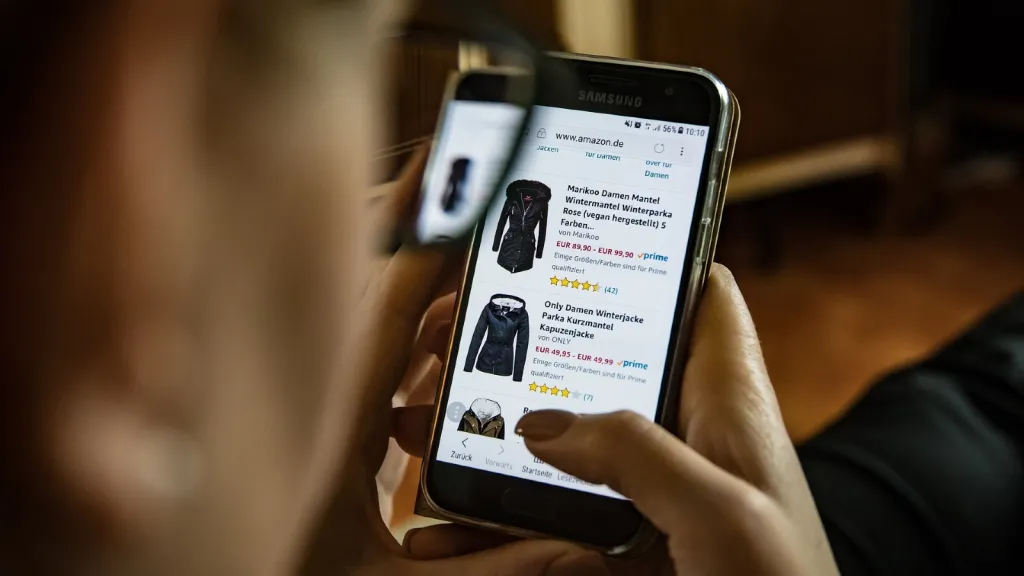
The growing use of Artificial Intelligence (AI)-powered shopping agents is creating a new challenge for major retailers such as Amazon and Walmart. These digital assistants can research products, compare options and make purchases on behalf of consumers, potentially changing how shoppers discover products online.
The development raises concerns for retailers that depend heavily on advertising revenue and customer data. Amazon and Walmart operate the world’s two largest retail media businesses, with a combined 88% share of the estimated $74.4 billion US retail media market, according to projections from research firm Emarketer.
However, AI shopping agents could disrupt the traditional retail advertising model by reducing the need for consumers to browse retailer websites and apps. Amazon and Walmart are responding differently: Amazon has blocked certain third-party shopping agents, while Walmart has partnered with Meta to support agent-led commerce.
Key Highlights
- Amazon and Walmart together account for 88% of the estimated $74.4 billion US retail media market.
- AI shopping agents could change how consumers discover, compare and purchase products online.
- Amazon blocked Meta’s Muse shopping agent, while Walmart partnered with Meta to support agentic commerce.
- Morgan Stanley researchers estimate that AI agents could account for 10% to 20% of US e-commerce spending by 2030.
- Retailers and brands are exploring new advertising strategies as AI-led shopping gains attention.
Why AI Shopping Agents Are a Challenge for Amazon and Walmart
Retail media advertising allows brands to pay retailers to promote their products on websites and mobile applications. This gives companies access to shoppers who are already searching for products and considering purchases.
AI shopping agents could change this process. Instead of visiting multiple retailer websites, consumers may increasingly rely on digital assistants to research products, compare prices and complete purchases. This could reduce direct interactions between shoppers and retail platforms, potentially affecting the advertising opportunities retailers currently offer.
The potential disruption matters because Amazon and Walmart have built substantial advertising businesses around their digital shopping platforms. Their access to customer activity and purchasing information helps brands target consumers with relevant promotions.
Amazon and Walmart Take Different Approaches to Agentic AI Shopping
Amazon and Walmart are adopting different strategies as third-party AI shopping agents enter the retail market. While Amazon has taken steps to restrict certain external agents, Walmart is developing infrastructure to support agent-led purchases.
Amazon Blocks Meta’s Muse Shopping Agent
Amazon blocked Meta’s Muse shopping agent from its website in September. The company said the agent appeared to have accessed its online store without authorisation and captured and stored customer credentials. Meta declined to comment.
Amazon told Reuters that third-party agents should operate transparently and respect the decisions of service providers about whether they want to participate. The company has also challenged other AI shopping tools.
In March, Amazon secured a court order blocking Perplexity’s Comet shopping agent. However, the 9th US Circuit Court of Appeals overturned the ban in August. Amazon said it disagreed with the decision, and the case remains ongoing.
Walmart Opens Its Platform to Third-Party AI Agents
Walmart is taking a different approach by supporting agentic commerce. On October 21, the retailer introduced infrastructure designed to allow third-party AI agents to browse and shop through its platform.
When a consumer uses an agent to browse Walmart’s offerings, the retailer creates a profile for that agent and links it to the shopper’s Walmart account. Customers can approve purchases or establish spending limits, allowing them to retain control over transactions.
This approach allows Walmart to participate in the emerging AI shopping ecosystem while maintaining a connection between the shopping agent and the customer’s account.
AI Agents Could Change the Economics of Retail Advertising
The potential impact of AI shopping agents extends beyond website traffic. Retailers earn advertising revenue when brands pay for product visibility and promotions on their platforms. If consumers increasingly rely on AI assistants to select products, traditional advertising placements could become less influential.
Amazon CEO Andy Jassy said last week that third-party agents had not yet had a meaningful effect on the company’s advertising business. However, Amazon’s advertising revenue grew 11% year over year in the third quarter, marking its slowest growth pace in nearly four years, according to LSEG data.
Advertising consistently accounts for approximately 10% of Amazon’s total net sales, making the business an important part of its revenue structure.
Walmart also has significant exposure to retail media advertising. Chief Financial Officer John David Rainey told analysts and investors in August that advertising, including Walmart Connect, alongside membership and marketplace operations, accounted for 45% of quarterly operating income growth. Walmart does not separately disclose Walmart Connect’s figures in its earnings release.
Retailers May Change Their Advertising Strategies
As AI-led shopping develops, retailers may look for new ways to protect advertising revenue. Dan Marc, CEO of retail media platform Footprints AI, expects companies such as Amazon and Walmart to pursue multiyear advertising agreements with their largest advertisers to secure revenue.
He also expects greater discounts on digital retail media advertising as consumers increasingly use large language models and AI agents to make shopping decisions.
These changes could affect how brands negotiate advertising deals and distribute their marketing budgets. Retailers may need to reconsider how they offer product visibility when consumers depend more on AI-generated recommendations than traditional search results.
Retail Media Is Evolving Rather Than Disappearing
Despite the potential disruption, some analysts believe AI shopping agents will transform retail media rather than eliminate it. Morningstar analyst Brett Husslein described the development as an evolution rather than an existential threat to the advertising business.
Emarketer forecasts that brands will spend 22.6% more on retail media in 2026 than the previous year’s $60.7 billion. This suggests that retail media advertising is expected to continue expanding even as shopping behaviour changes.
Both Amazon and Walmart are also experimenting with advertising within their own AI shopping tools. Walmart has started testing advertisements in Sparky, its AI shopping chatbot, while Amazon has incorporated advertising into its Alexa for Shopping assistant.
Product Information Could Become More Important for AI Advertising
AI-led shopping may change the way brands present and promote their products. Traditional digital advertising often relies on visual presentation, product placement and emotional appeal. Advertising through AI agents could place greater emphasis on accurate product information that matches a consumer’s specific requirements.
Companies such as Procter & Gamble, Nestle and L’Oreal are working to make their product information easier for AI agents to understand and process.
Andrew Lederman, Mondelez’s vice president of global digital commerce, said AI agents are bringing brands closer to consumers. However, he also noted that retailer media platforms continue to drive the vast majority of the company’s sales volume.
Amie Owen, chief client officer at digital commerce consultancy Flywheel, said brands do not need to shift their retail media budgets immediately. Instead, they should prepare for changes in how consumers discover products and make purchasing decisions.
How AI Could Reshape the Future of Retail Media
Katherine Black, a senior consultant at Kearney, sees the possibility of a more significant transformation in retail advertising. She envisions a system in which AI agents search for products based on consumers’ preferred prices, while retailers establish price ceilings and floors.
Such a model could change how brands compete for product recommendations and how retailers generate advertising revenue. Rather than relying mainly on traditional sponsored placements, retail media could increasingly involve product data, pricing and automated recommendations.
The transition will require retailers to find ways to interact with consumers through new digital channels while maintaining control over their platforms and customer relationships.
Conclusion
AI shopping agents are creating a new challenge for Amazon and Walmart by potentially changing how consumers discover and purchase products. With both companies dominating the US retail media market, any shift away from traditional website and app browsing could have implications for their advertising businesses.
Amazon is restricting certain third-party agents, while Walmart is building infrastructure to support agentic commerce. Both companies are also experimenting with advertising within their own AI shopping assistants. As AI-led shopping develops, product information, personalised recommendations and new advertising arrangements could become increasingly important to the future of retail media.
For breaking news and live news updates, like us on Facebook or follow us on Twitter and Instagram. Read more on Latest Business on thefoxdaily.com.






COMMENTS 0