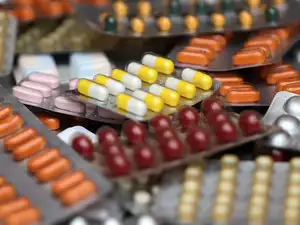
Patients undergoing Cancer Treatment in India are set to receive significant financial relief as prices of several anti-cancer medicines are scheduled to fall from November 9. The government has capped trade margins on 137 anti-cancer drugs, resulting in price reductions across 1,225 formulations.
According to the reported estimates, the move is expected to generate annual savings of approximately Rs 3,502.31 crore for consumers. Some medicines have recorded price reductions of more than 50%, while selected formulations are seeing cuts of up to 96%.
The decision is particularly important for cancer patients and their families, as treatment often involves expensive medicines, repeated hospital visits and long-term medical expenses. Lower drug prices could reduce the financial burden on households and improve access to essential cancer treatments.
Key Highlights
- Prices of 137 anti-cancer drugs will be reduced from November 9.
- Price changes cover 1,225 cancer drug formulations.
- Consumers are expected to save approximately Rs 3,502.31 crore annually.
- Some cancer medicines have recorded price reductions of up to 96%.
- Palbociclib, Abiraterone and Bevacizumab are among the medicines with significant reported price cuts.
Cancer Drug Prices to Decline from November 9
The government has introduced trade margin controls on 137 anti-cancer medicines to reduce the prices paid by consumers. The measure covers 1,225 formulations and is expected to bring substantial reductions in the maximum retail prices of several cancer drugs.
Trade margins represent the difference between the price at which medicines are supplied to distributors and the price charged further along the distribution chain. Controlling these margins can help prevent excessive mark-ups and reduce the final cost for patients.
The revised prices are scheduled to take effect from November 9. Consumers purchasing affected medicines after the implementation date are expected to benefit from the lower prices.
Government Estimates Annual Savings of Rs 3,502 Crore
The expected annual savings of Rs 3,502.31 crore represent one of the most significant potential benefits of the price-control measure.
Cancer treatment can involve substantial expenditure, particularly when patients require specialised medicines over extended periods. Even a reduction in the price of individual drug formulations can make a considerable difference to families managing recurring treatment costs.
The estimated savings reflect the expected financial impact across the affected medicines and formulations. Actual savings for individual patients will depend on the medicines prescribed, treatment requirements and the quantity purchased.
Five Cancer Medicines With Major Price Reductions
Several widely used cancer medicines have recorded substantial price cuts under the revised pricing arrangements. The reported examples include medicines used in the treatment of breast cancer, prostate cancer, lung cancer and cervical cancer.
1. Palbopro (Palbociclib 125 mg)
Palbopro, a palbociclib capsule manufactured by RPG Life Sciences, has seen its reported price fall from Rs 40,421.33 to Rs 2,720.
Palbociclib is used in certain treatment regimens for breast cancer. The revised price represents a substantial reduction in the cost of this formulation.
2. Abirone (Abiraterone Acetate 250 mg)
Abirone, an abiraterone acetate tablet manufactured by Arvincare Pharma, has been reduced from Rs 41,250 to Rs 3,218.23.
Abiraterone is used in the treatment of prostate cancer. The reported price reduction could provide financial relief to patients who require this medicine as part of their prescribed treatment.
3. Bryxta (Bevacizumab 100 mg)
Bryxta, a bevacizumab injection manufactured by Zydus Lifesciences, has seen its price decline from Rs 25,995 to Rs 3,318.
Bevacizumab is used in certain treatment protocols for cancers including lung and cervical cancer. The revised price represents a significant reduction in the reported cost of the injection.
4. DenOsteoRel (Denosumab 60 mg)
DenOsteoRel, a denosumab injection manufactured by Reliance Life Sciences, has been reduced from Rs 24,955 to Rs 6,240.
Denosumab is used in specific medical conditions involving bone health and cancer-related complications. Its use depends on the patient’s diagnosis and the treatment plan recommended by the medical team.
5. Lupiher 2 (Pertuzumab 420 mg)
Lupiher 2, a pertuzumab injection manufactured by Lupin Limited, has recorded a price reduction from its earlier maximum retail price of Rs 83,520 to Rs 37,358.30.
Pertuzumab is used in certain treatment regimens for breast cancer. The reduction could help lower the cost of treatment for eligible patients requiring this medicine.
How Trade Margin Caps Can Reduce Medicine Prices
Trade margin controls are designed to limit the amount that different participants in the medicine distribution chain can add to the price of a product.
Medicines typically pass through manufacturers, distributors, wholesalers and retailers before reaching patients. Margins added at different stages can increase the final price paid by consumers.
By placing limits on these margins, the government aims to reduce excessive mark-ups and make essential medicines more affordable.
For cancer medicines, where treatment costs can be particularly high, even a reduction in distribution-related charges can make a meaningful difference to patients and their families.
What the Price Cuts Mean for Cancer Patients
The reduction in cancer drug prices could improve affordability for patients who depend on expensive medicines as part of their treatment.
Some patients require medicines over several treatment cycles, making the overall cost considerably higher than the price of a single purchase. Lower prices could therefore reduce recurring expenditure and ease pressure on household budgets.
The changes may also help patients access prescribed medicines with less financial difficulty. However, affordability depends on several factors, including treatment duration, dosage, hospital expenses and whether a particular formulation is included in the revised price list.
Patients should check the revised maximum retail price of their specific medicine and consult their doctors before making any changes to treatment.
What Consumers Should Check Before Buying Cancer Medicines
Patients and caregivers should verify the revised price and formulation details before purchasing affected medicines. Different strengths, brands and formulations of the same active ingredient may have different prices.
- Check the medicine name: Confirm that the prescribed brand and formulation are covered by the revised pricing measure.
- Verify the strength: Ensure that the dosage and strength match the prescription.
- Compare the printed price: Check the maximum retail price on the medicine packaging against the applicable revised price.
- Consult a doctor: Do not change brands, doses or treatment schedules without medical advice.
- Keep purchase records: Retain bills and packaging details to help address any pricing discrepancies.
Conclusion
The reduction in prices of 137 anti-cancer drugs from November 9 is expected to provide significant financial relief to patients across India. With changes covering 1,225 formulations, the government estimates annual consumer savings of approximately Rs 3,502.31 crore.
Major reductions in medicines such as Palbopro, Abirone, Bryxta, DenOsteoRel and Lupiher 2 highlight the potential impact of the new pricing arrangements.
Although lower medicine prices cannot eliminate the overall financial burden of cancer treatment, they could make essential drugs more affordable for many families. Patients should verify the revised prices of their prescribed medicines and continue following medical advice when purchasing or using cancer treatments.
For breaking news and live news updates, like us on Facebook or follow us on Twitter and Instagram. Read more on Latest Business on thefoxdaily.com.





COMMENTS 0