Indian Railways is planning a major expansion of its railway Infrastructure to increase passenger capacity and reduce waiting lists on some of the country’s busiest routes. The Railway Ministry plans to develop four parallel railway tracks across seven major corridors, a move that could enable more than 1,000 additional regular trains once the expansion is completed.
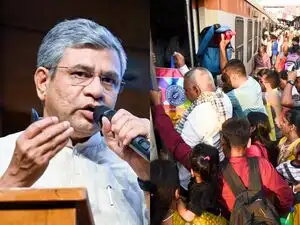
Railway Minister Ashwini Vaishnaw announced the plan, highlighting the need to strengthen railway infrastructure as passenger and freight traffic continue to grow. The proposed expansion will cover important connections involving Delhi, Mumbai, Kolkata and Chennai, helping Indian Railways handle increasing demand.
Alongside long-term infrastructure development, the Railways has introduced additional measures to manage the festive travel rush. These include operating 18,000 special trains, deploying AI-powered cameras and establishing passenger holding areas at selected railway stations.
Key Highlights
- Indian Railways plans four parallel tracks on seven major railway corridors.
- The expansion could enable more than 1,000 additional regular trains.
- Major routes connecting Delhi, Mumbai, Kolkata and Chennai are included in the infrastructure plan.
- Railways has deployed 18,000 special trains to manage increased festive passenger demand.
- Around 700 AI cameras and passenger holding areas at 20 stations are part of crowd-management measures.
Four Parallel Railway Tracks Planned on Seven Major Corridors
The Railway Ministry is planning to expand seven major railway corridors by developing four parallel tracks. The initiative aims to increase the capacity of heavily used routes and provide more space for passenger and freight trains.
Several important railway connections involving Delhi, Mumbai, Kolkata and Chennai are part of the broader expansion plan. These cities are among India’s major transport and economic centres, generating significant demand for long-distance passenger and goods movement.
Adding parallel tracks can help reduce congestion by allowing more trains to operate without depending on the same limited railway lines. It can also improve operational flexibility, particularly on routes where passenger and freight services compete for available capacity.
The proposed expansion is expected to strengthen the railway network and support future growth in passenger traffic.
Over 1,000 Additional Regular Trains Expected After Expansion
One of the biggest expected benefits of the project is the possibility of operating more than 1,000 additional regular trains after the track expansion is completed.
Additional train services could help Indian Railways accommodate more passengers, particularly on routes where demand frequently exceeds available seats. Greater capacity may also help reduce pressure on waiting lists during busy travel periods.
However, the additional services are linked to the completion of the infrastructure expansion. They should not be confused with trains already operating or the temporary special services introduced for the festive season.
For passengers, the long-term objective is to make railway travel more accessible by increasing the number of regular services on high-demand routes.
Coal Freight and Passenger Traffic Put Pressure on Railway Lines
Indian Railways faces growing pressure to accommodate both passenger and freight traffic. Coal transportation is particularly important because it supports electricity generation and industrial activity across the country.
Freight trains and passenger services often operate on the same railway corridors. When traffic increases, managing both types of operations becomes more challenging, especially on heavily used routes.
Expanding major corridors to four parallel tracks could help address this capacity constraint. Additional lines would provide greater flexibility for scheduling passenger services while maintaining the movement of essential goods.
Improving railway capacity is therefore important not only for reducing passenger waiting lists but also for supporting freight transportation and economic activity.
Indian Railways Deploys 18,000 Special Trains for Festive Rush
While infrastructure expansion is a long-term priority, Indian Railways has also taken immediate steps to manage increased passenger demand during the festive season.
The Railway Ministry has deployed 18,000 special trains to accommodate the large number of people travelling during the busy festive period.
Special trains provide additional travel options when regular services experience heavy demand. They can help passengers find more opportunities to travel, although availability depends on individual routes, dates and schedules.
The move is particularly important during major festivals, when large numbers of people travel between metropolitan cities, smaller towns and their home states.
700 AI Cameras and Holding Areas at 20 Stations
Indian Railways has also introduced technology-based crowd-management measures to improve passenger safety and station operations during the festive rush.
Around 700 AI-powered cameras have been deployed to monitor passenger movement and crowd conditions. Such systems can help railway authorities observe busy areas and respond more effectively when passenger congestion increases.
Holding areas have also been established at 20 railway stations to manage crowds. These designated spaces are intended to help regulate passenger movement and prevent excessive congestion on platforms.
Combining surveillance technology with organised passenger facilities can help railway staff manage large crowds more efficiently, particularly during periods of heavy travel demand.
Railway Minister Says Station Traffic Returned to Normal on Chhoti Diwali
Railway Minister Ashwini Vaishnaw also said that passenger traffic at railway stations had returned to normal levels on Chhoti Diwali.
The development indicates that crowd-management arrangements were helping authorities handle the festive movement of passengers. However, traffic conditions can vary between stations and travel dates, making continued monitoring important throughout the festive period.
The use of special trains, AI cameras and passenger holding areas forms part of the Railways’ broader effort to manage seasonal demand while maintaining orderly station operations.
How the Railway Expansion Could Benefit Passengers
The proposed four-track expansion could provide several long-term benefits for railway passengers and the wider transport network.
- More regular trains: The additional capacity could support more than 1,000 extra regular services after completion.
- Reduced congestion: More parallel tracks could help manage passenger and freight movement on busy routes.
- Better travel options: Additional services could improve train availability on important intercity connections.
- Improved freight movement: Greater network capacity could help accommodate coal and other essential goods.
- Better crowd management: AI cameras and holding areas could help railway authorities monitor and control passenger movement.
Conclusion
Indian Railways’ plan to develop four parallel tracks across seven major corridors represents an important step towards increasing the capacity of the country’s railway network. The proposed expansion could enable more than 1,000 additional regular trains, helping address rising passenger demand and congestion on important routes connecting Delhi, Mumbai, Kolkata and Chennai.
At the same time, the deployment of 18,000 special trains, 700 AI cameras and holding areas at 20 stations highlights the Railways’ efforts to manage immediate festive travel challenges.
The success of the long-term plan will depend on the completion of infrastructure expansion and the effective introduction of additional services. If implemented as intended, the initiative could improve railway connectivity, increase passenger capacity and strengthen India’s freight transportation network.
For breaking news and live news updates, like us on Facebook or follow us on Twitter and Instagram. Read more on Latest Business on thefoxdaily.com.






COMMENTS 0