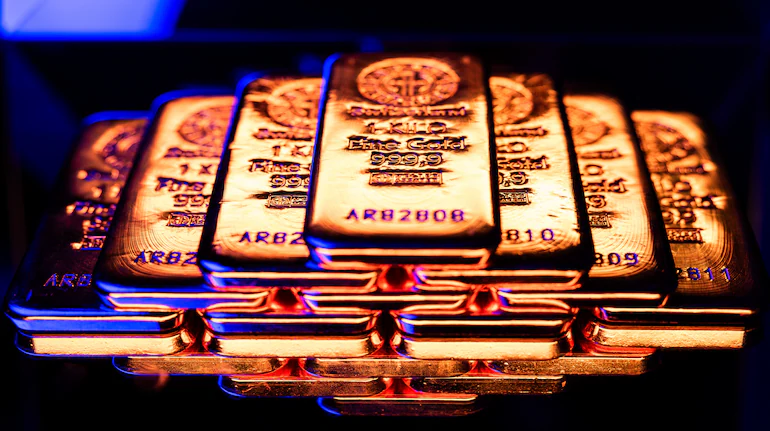
China’s central bank continued expanding its gold reserves in October, adding 25.8 metric tonnes of the precious metal despite a sharp decline in international gold prices. The latest purchase extended the People’s Bank of China’s (PBOC) gold-buying streak to 24 consecutive months, highlighting its continued interest in increasing gold holdings during market volatility.
According to official data released on Saturday, China’s gold reserves increased by 830,000 ounces in October. The latest addition comes after bullion prices fell nearly 7% during the month, ending October below the $4,000-per-ounce level.
The PBOC has also increased its purchasing activity in recent months. Its gold additions during the first 10 months of the year reached approximately 129 tonnes, reinforcing China’s position as an important buyer in the global Gold Market.
The continued accumulation comes at a time when international investors are assessing inflation risks, energy prices and changing monetary policies. While gold has faced pressure from higher interest rates, central bank purchases remain an important source of demand.
Key Highlights
- China added 25.8 tonnes of gold to its reserves in October.
- The PBOC extended its gold-buying streak to 24 consecutive months.
- Gold purchases during the first 10 months of the year reached approximately 129 tonnes.
- Gold prices declined nearly 7% in October, falling below $4,000 per ounce.
- The PBOC was the largest disclosed central bank gold buyer in the third quarter, according to World Gold Council data.
China Adds 25.8 Tonnes of Gold to Its Reserves in October
The People’s Bank of China increased its bullion holdings by 830,000 ounces in October, equivalent to approximately 25.8 metric tonnes. The purchase marked the 24th consecutive month of gold accumulation by the country’s central bank.
The latest data indicates that China has maintained its gold-buying strategy despite fluctuations in international prices. Rather than stopping purchases during the market decline, the central bank continued adding to its reserves.
During the first 10 months of the year, China’s gold purchases totalled around 129 tonnes. The sustained accumulation reflects the importance of gold in the country’s reserve management strategy.
Central Banks hold gold as part of their foreign reserve portfolios because it is a globally recognised asset that does not depend on the financial obligations of another country or institution.
Why Is China Continuing to Buy Gold Despite Falling Prices?
China’s continued gold purchases during a market downturn have attracted attention from investors and analysts. Central bank buying can reflect long-term reserve management objectives rather than short-term expectations about price movements.
Gold is widely viewed as a reserve asset that can help diversify national holdings. By increasing its gold reserves, a central bank can reduce its dependence on other types of financial assets and currencies.
The PBOC’s latest purchases also suggest that short-term price weakness has not changed its ongoing accumulation strategy. However, the official data does not establish that the central bank is purchasing gold solely because prices have fallen.
Its buying activity is particularly important because large central bank purchases can influence global demand and investor sentiment in the bullion market.
PBOC Was the Biggest Disclosed Central Bank Gold Buyer in Q3
China was the largest disclosed central bank gold buyer during the third quarter, according to data from the World Gold Council.
The organisation reported that central banks collectively made net gold purchases of 321 tonnes between July and September. This was the highest quarterly total since the final quarter of 2024.
Central bank demand remains an important factor supporting the gold market, particularly when other sources of investment demand are relatively weak.
Official-sector purchases can help provide a foundation for gold prices over the longer term. However, they do not guarantee that bullion will rise, as prices are also influenced by interest rates, inflation expectations, currency movements and geopolitical developments.
Gold Prices Fell Nearly 7% in October
China’s latest gold purchase came during a difficult month for international bullion prices. Gold declined by nearly 7% in October and finished the month below the $4,000-per-ounce level.
The metal also touched a one-year low during the month and recorded its biggest October decline since the global financial crisis in 2008.
Despite the recent recovery following the US midterm elections, gold remained more than 20% below its level before the Iran war began in late February, according to the reported market figures.
The decline highlights how quickly conditions in the gold market can change, even when central banks continue purchasing the metal.
How Higher Energy Prices and Interest Rates Affect Gold
Higher energy prices have contributed to inflationary pressure, creating challenges for central banks. When inflation remains elevated, monetary policymakers may maintain tighter financial conditions or raise interest rates to control price increases.
This can create pressure on gold because the precious metal does not generate regular interest income. When interest rates rise, investors may find interest-bearing assets more attractive compared with holding bullion.
Higher borrowing costs and tighter monetary policy can therefore reduce demand for gold among some investors.
These factors have contributed to the pressure on bullion prices during the recent market downturn. Nevertheless, gold continues to attract demand from central banks and investors seeking diversification during periods of financial and geopolitical uncertainty.
China’s Gold Purchases Influence Household Buying Behaviour
The PBOC’s gold-buying activity can also influence investment sentiment among Chinese households. When the central bank continues adding bullion to its reserves, some individual investors may view the purchases as a sign of long-term confidence in gold.
According to the report, many Chinese buyers purchased gold at around $4,000 per ounce in October, expecting continued central bank accumulation to support prices over the longer term.
However, central bank buying does not guarantee that household investments will generate profits. Gold prices can remain volatile, and individual investors may face losses if market conditions move against their expectations.
The relationship between official purchases and household demand is therefore important for understanding China’s influence on the wider bullion market.
What China’s Gold Buying Means for the Global Gold Market
China’s continued accumulation adds to demand from central banks at a time when bullion prices are experiencing significant fluctuations.
When major central banks increase their gold holdings, the additional demand can help support market sentiment. The World Gold Council’s reported third-quarter figures show that official-sector buying remains a significant part of the global gold market.
However, gold prices are influenced by several factors beyond central bank demand. Interest-rate expectations, inflation, currency movements, geopolitical developments and investment flows can all affect the direction of bullion.
For investors, China’s purchasing activity is an important market indicator, but it should not be treated as a guarantee of future price increases.
Conclusion
China’s addition of 25.8 tonnes of gold in October highlights the People’s Bank of China’s continued commitment to expanding its bullion reserves. The latest purchase extends its buying streak to 24 consecutive months, taking its gold additions during the first 10 months of the year to approximately 129 tonnes.
The buying comes despite a nearly 7% decline in gold prices during October, demonstrating that the central bank’s accumulation strategy has continued through market volatility.
With central banks remaining important participants in the global gold market, China’s purchasing decisions will continue to attract investor attention. However, the future direction of gold prices will also depend on inflation, interest rates, energy markets and broader global economic conditions.
For breaking news and live news updates, like us on Facebook or follow us on Twitter and Instagram. Read more on Latest Business on thefoxdaily.com.






COMMENTS 0