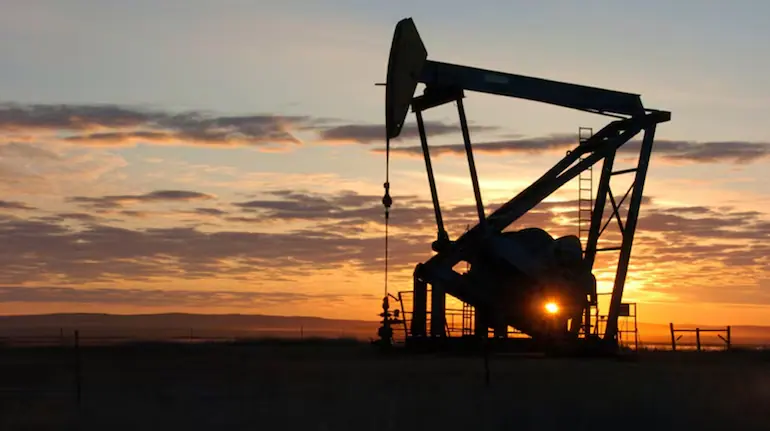
crude oil prices are expected to remain volatile with an upward bias next week as tensions between the United States and Iran, uncertainty over diplomatic negotiations and concerns about energy shipments through the Strait of Hormuz continue to influence global markets. Analysts believe geopolitical risks are currently outweighing conventional demand-related factors, keeping oil prices elevated.
The outcome of the US midterm elections could become an important factor for the Energy Market, particularly because Washington’s future approach towards Tehran may influence the direction of diplomatic efforts. Investors will also monitor weekly crude oil inventory data from the American Petroleum Institute (API) and oil import figures for further signals about supply conditions.
Brent crude futures approached $118 per barrel last week, reflecting concerns that any escalation in the Middle East could disrupt global energy supplies. Domestic crude oil futures also recorded gains, extending their positive momentum for a fourth consecutive week.
US-Iran Tensions Keep Upward Pressure on Oil Prices
Geopolitical uncertainty surrounding US-Iran Relations remains one of the biggest drivers of crude oil prices. Market participants are closely watching whether diplomatic discussions between Washington and Tehran can produce an agreement and reduce the risk premium currently supporting oil prices.
Ajit Mishra, Senior Vice President of Research at Religare Broking, said crude oil could remain volatile with an upward bias in the coming week because geopolitical risks continue to outweigh traditional demand-side factors.
Iran has confirmed receiving a letter from US Vice President JD Vance aimed at reviving peace negotiations. Regional mediators have also returned to Tehran to facilitate discussions on a possible agreement.
US President Donald Trump said negotiations with Iran were going fine but added that he was not in a hurry to reach a deal. His comments have left investors assessing whether diplomatic progress can translate into a meaningful reduction in supply concerns.
Iranian Foreign Minister Abbas Araghchi said discussions with Qatari mediators were continuing over a plan to reopen the Strait of Hormuz within two days, provided the United States cooperates.
Strait of Hormuz Risks Remain Central to Market Sentiment
The Strait of Hormuz is a critical route for international energy shipments, making any disruption to shipping activity a major concern for oil traders. Persistent threats to vessels and energy infrastructure in the region have kept supply risks elevated despite ongoing diplomatic efforts.
According to Choice Broking, continued tanker attacks and threats to shipping through the waterway, alongside escalating clashes involving Saudi Arabia and Houthi forces, have contributed to uncertainty in the crude oil market.
Concerns increased further after QatarEnergy reported that one of its liquefied natural gas tankers was struck by unidentified objects while travelling through the Arabian Gulf. The incident added to broader worries about the safety of energy transportation in the region.
For oil markets, the main concern is whether geopolitical developments will affect the movement of crude and other energy products through important shipping routes. Even without a sustained interruption, the possibility of supply disruptions can increase prices as traders account for potential shortages.
Brent Crude Nears $118 Per Barrel
International crude benchmarks ended the previous week higher. Brent crude futures for December delivery gained nearly 1% to settle at $117.64 per barrel after touching $118 on the Intercontinental Exchange.
West Texas Intermediate (WTI) futures for December delivery also rose around 1%, closing at $104.12 per barrel.
Mishra said Brent crude hovering near $118 reflects a significant geopolitical risk premium linked to US-Iran tensions and the possibility of disruptions to shipping through the Strait of Hormuz.
He identified $120 per barrel as an important resistance level for Brent crude, while the $110-$112 range remains a key support zone. A move towards resistance could indicate continued concern about supply risks, although any diplomatic breakthrough could trigger sharp profit-booking.
Domestic MCX Crude Oil Futures Extend Weekly Gains
Crude oil futures in the domestic market also maintained their upward momentum. November delivery contracts on the Multi Commodity Exchange (MCX) rose Rs 137, or 1.4%, during the previous week to settle at Rs 9,937 per barrel.
Choice Broking said MCX crude oil futures recorded gains for the fourth consecutive week, supported by escalating US-Iran tensions and concerns about possible supply disruptions.
The continued increase in domestic futures indicates that international geopolitical developments are influencing sentiment in India’s Commodity Market as well.
For Indian businesses and consumers, elevated crude prices can have wider implications because the country relies heavily on imported oil. A sustained increase in international prices can raise import costs and add pressure to fuel expenses, transportation costs and inflation.
OPEC+ Keeps December Production Targets Unchanged
Supply policy from major oil-producing countries will be another factor for traders to monitor. The OPEC+ alliance has agreed in principle to keep its December production targets unchanged, signalling a pause in adjustments to output policy until next year.
According to reports, members are preparing to negotiate production quotas for 2027. The decision means that traders will continue to assess the balance between available supplies and geopolitical risks without expecting an immediate change in the December production targets.
OPEC+ decisions are important because production levels influence the amount of crude entering international markets. However, the impact of the latest decision will also depend on actual supply conditions and developments affecting exports from the Middle East.
US Federal Reserve Decision Adds to Inflation Concerns
The broader financial environment could also influence crude oil trading. The US Federal Reserve kept interest rates unchanged last week, but the decision did little to ease concerns about inflation, according to Mishra.
Elevated energy prices can complicate the global inflation outlook by increasing fuel, transportation and production costs. If oil remains expensive for an extended period, central banks may face additional challenges in managing inflation while supporting economic activity.
For crude oil traders, interest rate expectations and economic conditions remain relevant because they can influence currency movements, investment sentiment and expectations for future energy demand.
Four Factors to Watch in the Coming Week
Analysts have identified several developments that could determine the direction of crude oil prices in the coming sessions:
- US-Iran negotiations: Any progress towards a diplomatic agreement could reduce geopolitical concerns, while a breakdown in talks may increase the risk premium in oil prices.
- Strait of Hormuz shipping: Tanker movements, security incidents and threats to energy shipments will remain important indicators of potential supply disruptions.
- US midterm elections: The election outcome and Washington’s approach towards Tehran could influence expectations about future diplomatic and geopolitical developments.
- API inventory and oil import data: Weekly US crude inventory figures and import trends will provide additional information about supply conditions and market balances.
Can Crude Oil Prices Cross $120 Per Barrel?
The immediate outlook for crude oil remains closely linked to developments in the Middle East. With Brent trading near $118 per barrel, the $120 level has emerged as an important resistance point identified by analysts.
A further escalation in US-Iran tensions or fresh disruption to shipping through the Strait of Hormuz could increase upward pressure on prices. However, a diplomatic breakthrough or credible progress towards reopening the waterway could lead traders to reduce their positions, triggering profit-booking.
For now, analysts expect volatility to continue, with geopolitical developments likely to play a greater role than conventional demand-side factors. Investors and businesses will be watching diplomatic negotiations, shipping activity, OPEC+ policy and inventory data to assess whether the recent rise in crude prices can continue or give way to a correction.
For breaking news and live news updates, like us on Facebook or follow us on Twitter and Instagram. Read more on Latest Business on thefoxdaily.com.






COMMENTS 0