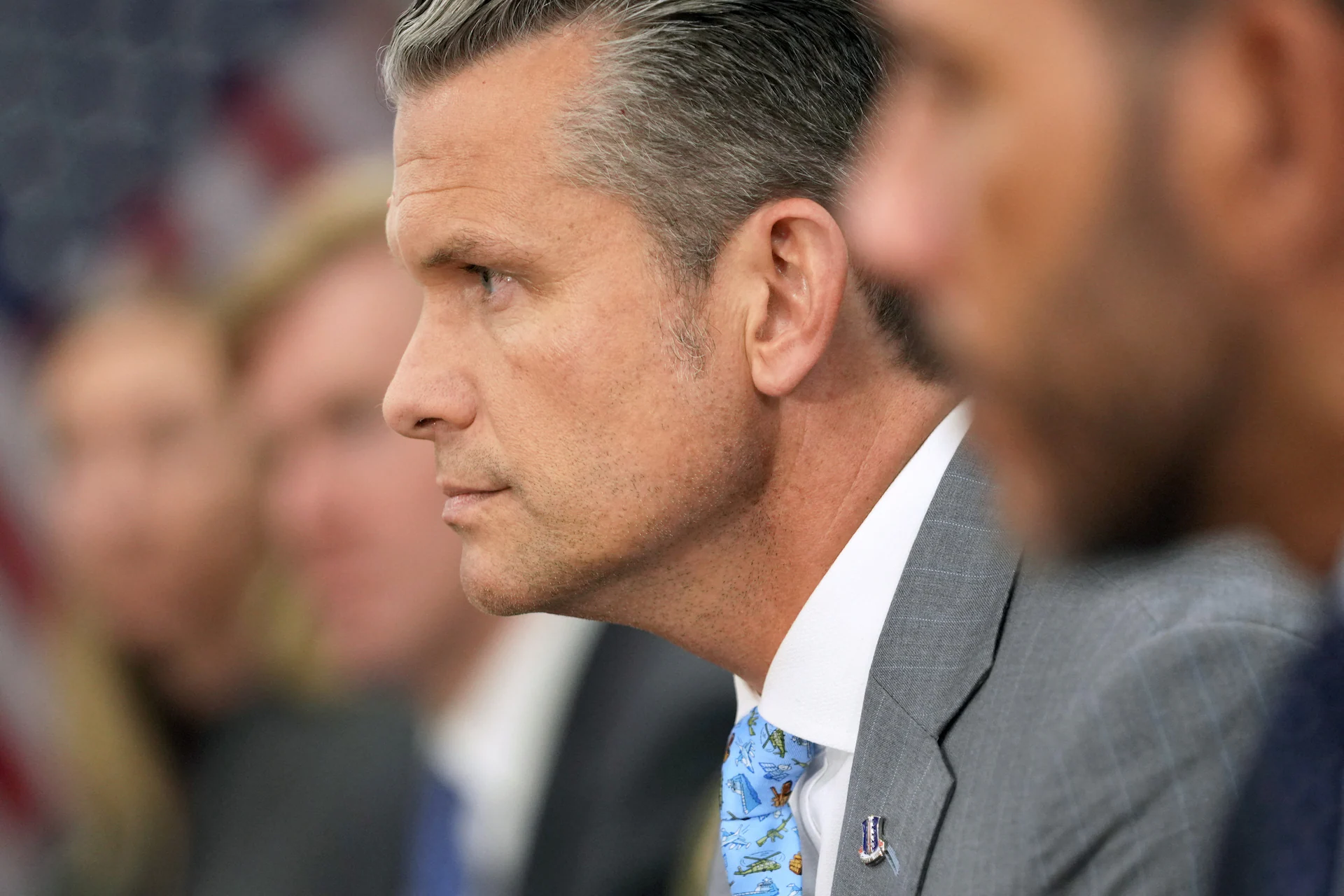
US Defense Secretary Pete Hegseth met Israeli Prime Minister Benjamin Netanyahu during an unannounced visit to Israel on Monday, October 19, according to a person familiar with the matter. The visit comes amid rising tensions between Washington and Tehran over the Strait of Hormuz, continued instability across the Middle East and renewed attacks by Yemen’s Iran-aligned Houthi movement.
The meeting, first reported by Axios, was not publicly announced in advance, and the agenda was not immediately disclosed. The Pentagon declined to comment, while Netanyahu’s office did not immediately respond to a request for comment. Hegseth separately said on social media that he had visited US service members within the area of responsibility of US Central Command, which covers the Middle East, northeast Africa and parts of Asia.
The unannounced meeting comes at a sensitive moment for US-Israeli relations and regional security. Both countries launched joint strikes against Iran in late February, triggering a wider Middle East war. With Israeli parliamentary elections approaching and US midterm elections scheduled for November, statements from leaders in Washington and Jerusalem have also highlighted the political significance of the confrontation with Tehran.
What Is Known About Hegseth’s Meeting With Netanyahu?
Details of the meeting between Hegseth and Netanyahu remained limited at the time of the initial report. The person familiar with the matter did not disclose what the two leaders discussed, and neither the Pentagon nor the Israeli prime minister’s office immediately provided further information.
Axios first reported the meeting, while Israel’s Army Radio said it took place at an air force base in the country’s southern desert. The reported location adds context to Hegseth’s visit, although the precise purpose of the meeting has not been publicly established.
Hegseth’s own social media post confirmed that he had visited US service members in the Central Command area of responsibility. However, his statement did not publicly outline the meeting with Netanyahu or identify the subjects discussed between them.
The distinction is important because the visit’s timing has prompted questions about regional military coordination. With the United States and Israel already involved in joint military action against Iran, any high-level discussions between their defence and political leadership are taking place against a backdrop of continuing regional instability.
Nevertheless, without an official account of the meeting, it would be premature to conclude that the visit was intended to approve new military operations or establish a specific policy toward Iran.
Why US-Iran Tensions Are Central to the Visit
The meeting took place as tensions between Washington and Tehran continued to affect security across the Middle East, particularly around the Strait of Hormuz and the wider conflict involving Iran and its regional adversaries.
The Strait of Hormuz is a strategically important maritime passage connecting the Persian Gulf with the Gulf of Oman. Its security matters to international energy markets because oil and gas shipments travelling through the waterway serve consumers and economies across multiple regions.
Disruptions to shipping or heightened military activity around the strait can create risks for commercial vessels and increase uncertainty for energy markets. The latest tensions therefore extend beyond the immediate relationship between the United States, Israel and Iran.
The reported escalation also involves Yemen’s Iran-aligned Houthi movement, which has intensified attacks on Saudi Arabia, according to the initial report. Such developments add another dimension to the regional security situation and increase the number of countries potentially affected by the wider conflict.
For Washington and its regional partners, the challenge involves managing military threats while assessing the risks of a broader confrontation. For Tehran, the conflict with the United States and Israel is closely connected to regional security and its relationship with neighbouring countries.
Although the details of Hegseth’s meeting remain undisclosed, the timing places it within this wider security context. The visit provides evidence of high-level contact between US and Israeli leadership, but it does not establish what decisions, if any, were reached.
US and Israel Launched Joint Strikes Against Iran in February
The latest meeting comes months after US and Israeli forces launched joint strikes against Iran in late February, setting off the wider Middle East war described in the initial report.
The military action marked a major escalation in the confrontation between the countries and contributed to the increasingly complex regional security environment. Subsequent tensions have involved the Strait of Hormuz, regional military activity and concerns about further attacks.
The conflict has also created difficult questions for political leaders about the timing and scope of any additional military action. Decisions involving Iran carry implications for US regional strategy, Israeli security and the safety of other countries affected by the fighting.
Israeli Prime Minister Benjamin Netanyahu told Israeli media earlier in October that he was not seeking to attack Iran before Israel’s October 27 election. US President Donald Trump has similarly said he would not attack Iran before the US midterm elections in November.
These statements provide important context for Hegseth’s visit because they indicate that both leaders have publicly addressed the timing of potential military action in relation to upcoming elections.
However, the statements do not establish that the United States and Israel have ruled out every possible military development. Nor do they reveal whether Hegseth and Netanyahu discussed future operations during their meeting.
Without an official account of their discussions, the relationship between the visit and the leaders’ public positions on Iran remains uncertain.
Trump Endorses Netanyahu Ahead of Israel’s October 27 Election
Hegseth’s visit also came a day after Trump endorsed Netanyahu ahead of Israel’s parliamentary election scheduled for October 27.
The election is particularly significant because it is the first Israeli national vote since the Hamas-led attack on southern Israel on October 7, 2023. The attack was followed by a prolonged period of conflict that expanded across multiple parts of the Middle East.
Netanyahu’s handling of national security and the wars involving Israel has been a major part of the political environment surrounding the election. His government’s decisions on military operations and regional threats have shaped the circumstances in which voters are preparing to choose their representatives.
Trump’s endorsement adds a US political dimension to the election campaign. The American president’s public support for Netanyahu comes as the two countries continue to coordinate on security matters and face continuing tensions with Iran.
Nevertheless, the timing of the endorsement and Hegseth’s visit does not establish that the meeting was connected to the Israeli election campaign. No details of the discussion between Hegseth and Netanyahu were disclosed in the initial report.
The election and the wider regional conflict are separate but overlapping developments. Israel’s next government will face domestic political questions alongside continuing security challenges, while Washington will have to navigate its own domestic political calendar and foreign policy priorities.
How the US Midterm Elections Factor Into Iran Policy
The November US midterm elections form another important part of the political backdrop to the visit. Trump has said he would not attack Iran before the elections, placing a publicly stated political timeline alongside the ongoing regional confrontation.
Midterm elections determine the composition of the US Congress and can influence the political environment in which a president pursues domestic and foreign policy priorities. The timing of major military decisions can therefore attract attention during an election period.
However, the existence of an election deadline does not, by itself, explain the administration’s military strategy or establish how it would respond to a new security development.
The United States must also consider the safety of its personnel in the region, the security of maritime routes and the potential consequences of further escalation. These issues remain relevant regardless of the electoral calendar.
Hegseth’s statement that he had visited US service members in the Central Command area of responsibility confirms that his trip included contact with American personnel operating within the region. It does not, however, provide enough information to determine whether the visit involved operational planning, force protection discussions or other military matters.
Any assessment of the visit’s significance must therefore distinguish the confirmed details from questions that remain unanswered.
What Hegseth’s Visit Could Mean for Regional Security
The unannounced visit highlights continued high-level engagement between the United States and Israel during a period of regional instability. Both countries have been involved in joint military action against Iran, while developments around the Strait of Hormuz and attacks attributed to Iran-aligned groups have added to security concerns.
Defence-level meetings can provide an opportunity for governments to exchange information and discuss shared security concerns. However, the precise purpose and outcome of this particular meeting have not been publicly disclosed.
The reported visit also comes at a time when military decisions are being discussed alongside domestic political events in both countries. Netanyahu faces an election on October 27, while Trump has referred to the November US midterms when discussing the timing of a potential attack on Iran.
These overlapping developments make the diplomatic and military context important, but they do not establish that a new offensive is imminent or that the two leaders reached an agreement on further strikes.
For now, the main confirmed development is that Hegseth travelled to Israel and met Netanyahu, according to a person familiar with the matter and reports cited by Axios. The lack of an official account means the substance of their discussion remains unknown.
Key Questions About the Hegseth-Netanyahu Meeting
- Why did Hegseth visit Israel? The US defence secretary said he had visited American service members in the Central Command area of responsibility. The specific purpose of his meeting with Netanyahu has not been disclosed.
- Where did the meeting take place? Israel’s Army Radio reported that the meeting occurred at an air force base in the country’s southern desert.
- Did the leaders discuss new strikes against Iran? No public details of their discussion have been released, so the subject cannot be confirmed.
- How does the visit relate to the Strait of Hormuz? The meeting took place amid heightened US-Iran tensions over the strategically important waterway, but a direct connection between the discussions and maritime security has not been established.
- Why is the timing politically significant? The visit came ahead of Israel’s October 27 parliamentary election and the US midterm elections in November, with both Netanyahu and Trump having publicly addressed the timing of potential military action against Iran.
- Has either government confirmed the meeting’s outcome? The Pentagon declined to comment, and Netanyahu’s office did not immediately respond to a request for comment in the initial report.
Conclusion
US Defense Secretary Pete Hegseth’s unannounced visit to Israel and reported meeting with Prime Minister Benjamin Netanyahu come amid rising tensions involving Iran, the Strait of Hormuz and Iran-aligned groups across the Middle East.
The visit follows joint US-Israeli strikes against Iran in February and comes as both countries approach important political milestones. Netanyahu’s parliamentary election is scheduled for October 27, while the US midterm elections will take place in November.
Although the timing has drawn attention to the possibility of discussions about regional military strategy, the subjects covered during the meeting have not been disclosed. Hegseth confirmed visiting US service members in the Central Command region, but neither government provided a detailed public account of his discussion with Netanyahu in the initial report.
The significance of the meeting will become clearer only if further information emerges about its purpose and outcome. Until then, the visit is best understood as a high-level diplomatic and defence engagement taking place during an unsettled period for regional security, rather than confirmation of any new military decision.
For breaking news and live news updates, like us on Facebook or follow us on Twitter and Instagram. Read more on Latest World on thefoxdaily.com.






COMMENTS 0