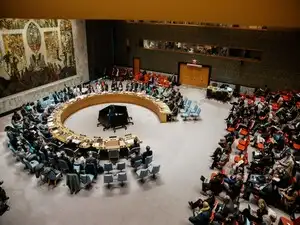
The United Nations Security Council is scheduled to meet on Thursday to discuss the situation in the Middle East following an urgent request from Bahrain, as rising military tensions in the Gulf region raise concerns about regional stability and the risk of a wider confrontation.
The meeting is scheduled for 3:10 pm New York time. It will focus on recent security developments in the region, including tensions involving Iran and their potential consequences for neighbouring countries and international security.
Bahrain’s request for an urgent session reflects growing diplomatic concern over the situation in the Gulf. The discussions are expected to provide Security Council members with an opportunity to assess developments, exchange positions and consider possible diplomatic responses.
Why Bahrain Requested an Urgent Security Council Meeting
Bahrain requested the meeting on November 3, seeking to bring the broader security situation in the Gulf before the Security Council. The request comes amid heightened tensions, continuing concerns about maritime security and the possibility of renewed military escalation.
The Gulf region has faced significant instability since the conflict involving Iran, Israel and the United States began on February 28, 2026. Military operations and retaliatory attacks have affected several countries, while disruptions to shipping have increased concerns about international trade and energy supplies.
Bahrain has been particularly concerned about the security of Gulf Cooperation Council (GCC) members. The country has previously called on the Security Council to address attacks affecting regional states and ensure that existing international decisions are implemented.
The November meeting is expected to provide an opportunity to discuss the wider implications of the conflict, rather than focusing exclusively on individual military incidents.
Gulf Security and Maritime Threats Expected to Dominate Discussions
One of the central issues expected to feature in the meeting is the security of international shipping routes in and around the Gulf. The Strait of Hormuz is particularly important because it connects the Persian Gulf with the Gulf of Oman and the Arabian Sea.
Before the conflict, approximately one-fifth of global oil supplies passed through the Strait of Hormuz. Restrictions and security incidents affecting navigation have therefore raised concerns well beyond the Middle East.
According to the latest information cited by Security Council Report, shipping movements through the strait remained significantly below pre-conflict levels in early November. Maritime incidents have also continued to affect commercial confidence and the movement of vessels.
Any prolonged disruption could increase transportation costs, create uncertainty for energy markets and affect countries that depend on imported oil and petroleum products. Developing economies could face additional pressure through higher fuel and food prices.
The Security Council is expected to discuss freedom of navigation and the need to prevent further attacks on commercial shipping. Members may also examine how regional governments can cooperate to protect maritime routes and reduce the risk of escalation.
Iran’s Role in the Regional Conflict
Iran remains at the centre of the security concerns surrounding the Gulf. The conflict escalated after military strikes by Israel and the United States against Iranian targets on February 28. Iran subsequently retaliated with attacks involving missiles and drones against US military assets and locations in several Gulf countries.
The affected countries included Bahrain, Kuwait, Oman, Qatar, Saudi Arabia and the United Arab Emirates, as well as Jordan. These developments increased pressure on regional governments to seek international diplomatic and security support.
On March 11, the Security Council adopted Resolution 2817, condemning Iranian attacks against Bahrain, Kuwait, Oman, Qatar, Saudi Arabia, the UAE and Jordan. The resolution received 13 votes in favour, with China and Russia abstaining.
The resolution demanded that Iran immediately cease its attacks and condemned actions or threats aimed at obstructing international navigation through the Strait of Hormuz and threatening maritime security in the Bab el-Mandeb Strait.
Bahrain is expected to use the upcoming meeting to highlight the implementation of this resolution and the continuing security challenges facing Gulf countries.
Iran’s position and the broader causes of the conflict are likely to remain subjects of disagreement among Security Council members. Some governments have focused on Iranian attacks against neighbouring countries, while others have criticised the initial military action by Israel and the United States.
Trump and Netanyahu Reportedly Differ Over Further Military Action
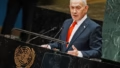
The diplomatic discussions are taking place amid reports of differences between US President Donald Trump and Israeli Prime Minister Benjamin Netanyahu over how to handle Iran.
According to reports citing Israeli media outlets, Netanyahu has argued for renewed military action against Iran, while Trump has favoured allowing diplomatic negotiations and economic pressure more time to produce results.
The reported disagreement reflects different approaches to the next phase of the conflict. Israel has continued to emphasise the need to address Iran’s military and nuclear capabilities, while Trump has indicated that he does not currently see a need to restart a wider military campaign.
Reports of a heated telephone conversation between the two leaders have also circulated. Netanyahu’s office rejected the description of the conversation as a confrontation, although a senior Israeli official acknowledged that a call had taken place.
The differences are relevant to the wider diplomatic environment surrounding the Security Council meeting. Any decision by Washington to pursue further military action, or instead prioritise negotiations, could influence the direction of regional diplomacy.
However, the Security Council’s discussion is expected to cover the broader Gulf security situation, including maritime threats and the positions of regional governments, rather than serving as a direct negotiation between Trump and Netanyahu.
GCC Secretary-General Expected to Brief the Security Council
Gulf Cooperation Council Secretary-General Jasem Mohamed Albudaiwi is expected to brief Security Council members during the meeting. An official from the United Nations Department of Political and Peacebuilding Affairs is also expected to provide an assessment of regional developments.
Albudaiwi’s briefing is likely to reflect the GCC’s concerns about security threats affecting member states and the importance of protecting regional stability.
The GCC has maintained that the security of its members is interconnected. An attack or disruption affecting one country can have consequences for neighbouring states, particularly when military facilities, energy infrastructure and maritime routes are involved.
His remarks may also address the importance of involving Gulf countries in negotiations or agreements that directly affect their security. Regional governments have argued that decisions concerning the future of the Gulf should take their security interests into account.
The UN official is expected to provide a wider overview of developments and reiterate the importance of restraint, de-escalation and civilian protection. The briefing may also highlight the economic and humanitarian consequences of disruptions to shipping and essential supply routes.
Why the Security Council Remains Divided
Although Security Council members share concerns about maritime security and the economic consequences of the Gulf crisis, they remain divided over its causes and the appropriate international response.
The United States, Bahrain and several European members are expected to emphasise Iranian attacks against Gulf countries and the need to implement Resolution 2817. They are also likely to highlight freedom of navigation and the importance of preventing further threats to international commerce.
China and Russia have taken a different position on the origins of the conflict. Both countries have criticised the military action by Israel and the United States against Iran and have called for diplomatic engagement and de-escalation.
They may argue that the wider conflict cannot be addressed without considering the initial military escalation and the actions of all parties involved. Their positions could complicate attempts to secure agreement on additional Security Council measures.
Pakistan is also expected to support diplomatic efforts and a return to negotiations. Its role in previous discussions between Washington and Tehran could make its position particularly relevant to efforts aimed at preventing renewed fighting.
These differences mean that the meeting may provide a platform for competing diplomatic positions without necessarily producing a new resolution or binding agreement.
Strait of Hormuz Disruption Could Affect Global Energy and Food Supplies
The security of the Strait of Hormuz has consequences for the global economy because of its importance to international oil and gas transportation. A sustained interruption to shipping could affect energy supplies, increase freight costs and create uncertainty for import-dependent economies.
The impact could extend beyond petroleum markets. The region is also important for the movement of fertilisers and raw materials used in agricultural production.
Disruptions to these shipments could affect farming costs and food production in countries that rely on imported agricultural inputs. Higher transport and insurance costs could also place additional pressure on supply chains.
The United Nations has been exploring ways to facilitate the movement of fertilisers and related materials through the Strait of Hormuz. Security Council discussions may therefore include the need to protect essential commercial shipments and prevent the regional conflict from worsening global food insecurity.
For countries in Asia and other import-dependent regions, the stability of the Gulf remains important to economic planning. Energy price fluctuations and supply interruptions can affect transportation, manufacturing, electricity generation and household expenses.
What Bahrain Wants From the UN Security Council
Bahrain’s request reflects its interest in keeping the Gulf security situation high on the international agenda. The country has previously sought Security Council action against attacks affecting regional states and has called for stronger implementation of existing decisions.
The upcoming briefing is expected to address several connected concerns:
- Regional security: Assessing military developments and threats affecting Gulf Cooperation Council countries.
- Freedom of navigation: Addressing risks to commercial shipping through the Strait of Hormuz and other important maritime routes.
- Implementation of Resolution 2817: Discussing compliance with the Security Council’s demand for an end to attacks against neighbouring countries.
- Diplomatic de-escalation: Supporting negotiations and efforts to prevent a renewed military confrontation.
- Economic consequences: Examining the effects of maritime disruptions on energy supplies, trade and food security.
The meeting is not automatically expected to produce a new resolution. Its immediate purpose is to bring the regional situation before Council members, hear briefings and allow governments to explain their positions.
What Happens After the Security Council Meeting?
The Security Council’s November 13 briefing could help clarify the positions of regional governments and major international powers as diplomatic efforts continue. The discussion may also provide an opportunity to assess whether existing international measures are being implemented effectively.
Any further action will depend on the level of agreement among the Council’s 15 members. Differences between the United States and its partners on one side and China and Russia on the other could make it difficult to reach consensus on additional measures.
For Bahrain and other Gulf countries, the immediate priorities include preventing further attacks, protecting maritime routes and ensuring that regional security concerns receive international attention.
For the wider international community, the stakes extend to energy markets, commercial shipping and the movement of essential goods. A further escalation could create additional economic and humanitarian consequences, while a successful diplomatic process could reduce the risk of renewed conflict.
The UN Security Council meeting is therefore an important diplomatic opportunity, although its practical impact will depend on whether member states can move beyond competing positions and support concrete steps towards regional de-escalation.
For breaking news and live news updates, like us on Facebook or follow us on Twitter and Instagram. Read more on Latest World on thefoxdaily.com.




COMMENTS 0