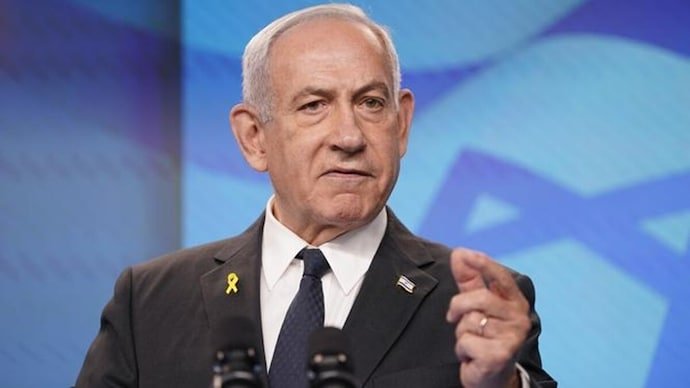
The Middle East remains at a critical diplomatic crossroads after Israeli Prime Minister Benjamin Netanyahu declared that Israel is prepared to carry out another military operation against Iran if circumstances require it. His comments come as Washington and Tehran continue efforts to transform an interim understanding into a broader political agreement aimed at reducing regional tensions.
Netanyahu’s statement underscores a fundamental strategic divide between Israel and the United States. While Washington is investing in Diplomacy to reduce the risk of a wider regional conflict, Israel continues to insist that it retains the right to act independently if it believes Iran’s nuclear or military capabilities threaten its National Security.
The latest developments demonstrate that although diplomatic channels remain active, the possibility of renewed military confrontation continues to influence political calculations across the region.
Key Developments at a Glance
| Issue | Latest Development | Why It Matters |
|---|---|---|
| Netanyahu’s Warning | Israel could strike Iran again if necessary | Signals continued military readiness |
| US-Iran Talks | Indirect negotiations continue through Qatar | Aims to preserve regional stability |
| Nuclear Issue | Iran has reiterated it will not develop nuclear weapons under the reported framework | Central issue in negotiations |
| Strait of Hormuz | Reopening commercial shipping remains a priority | Vital for global energy markets |
| Lebanon | Israel maintains security operations in southern Lebanon | Linked to Hezbollah-related concerns |
What Netanyahu Said
Speaking to an Israeli television channel, Prime Minister Netanyahu defended Israel’s previous military operations and stated that additional action remains possible if Israeli security concerns are not adequately addressed.
According to his remarks, Israel believes previous operations significantly reduced immediate threats while emphasizing that future military action remains an available option.
The comments reinforce Israel’s longstanding position that it will not rely solely on diplomatic agreements if it concludes that its national security is at risk.
Why the Timing Is Significant
The warning comes while diplomatic efforts are underway to stabilize relations between the United States and Iran.
Current discussions reportedly focus on:
- Reducing military tensions.
- Addressing nuclear concerns.
- Facilitating sanctions-related arrangements.
- Restoring commercial navigation.
- Building confidence for broader negotiations.
Statements suggesting possible future military action inevitably add pressure to these negotiations and increase uncertainty regarding their long-term success.
Understanding Israel’s Position
Israel has consistently maintained that preventing Iran from acquiring nuclear weapons is a core national security objective.
Successive Israeli governments have argued that diplomatic agreements must effectively eliminate any pathway to a military nuclear capability.
Israeli officials have repeatedly stated that if diplomacy fails to achieve this objective, military options remain available.
This strategic doctrine explains why Israeli leaders continue emphasizing operational independence even while international negotiations continue.
The US-Iran Diplomatic Framework
Reports indicate that Washington and Tehran are attempting to implement an interim framework intended to reduce immediate tensions while allowing negotiations to continue.
| Reported Component | Objective |
|---|---|
| Military De-escalation | Reduce risk of renewed conflict |
| Nuclear Discussions | Address concerns regarding Iran’s nuclear programme |
| Shipping Security | Restore navigation through the Strait of Hormuz |
| Sanctions | Explore phased economic arrangements |
| Future Negotiations | Create conditions for broader diplomatic agreements |
While negotiations continue, many technical and political issues remain unresolved.
Israel’s Concerns About the Agreement
Israeli leaders have indicated that they do not automatically consider themselves bound by agreements negotiated between other countries.
From Israel’s perspective, any arrangement must provide credible assurances that Iran cannot develop military nuclear capabilities in the future.
Officials have argued that temporary limitations alone may not sufficiently address long-term security concerns.
The United States’ Approach
The United States has emphasized diplomacy while continuing to support Israel’s security.
Washington’s current objectives include:
- Preventing regional escalation.
- Supporting maritime security.
- Reducing risks to global energy markets.
- Maintaining regional stability.
- Encouraging negotiated solutions.
American officials have sought to balance security commitments with efforts to avoid a wider regional war.
Why the Strait of Hormuz Remains Central
One of the major issues linked to the current negotiations is the reopening and protection of the Strait of Hormuz.
The waterway serves as one of the world’s most important maritime energy corridors.
Its uninterrupted operation affects:
- Global crude oil supplies.
- Liquefied natural gas exports.
- International shipping.
- Freight costs.
- Energy prices.
Any renewed military confrontation could once again place commercial navigation at risk.
Regional Security Beyond Iran
The current tensions are not limited to Iran alone.
Security developments also involve:
- Hezbollah activity in Lebanon.
- Cross-border missile threats.
- Air defence coordination.
- Regional military deployments.
- Maritime security operations.
This interconnected security environment means developments in one theatre can rapidly influence the wider Middle East.
Netanyahu’s Visit to Southern Lebanon
During his visit to Israeli-controlled positions in southern Lebanon, Netanyahu reaffirmed Israel’s intention to maintain a military presence until perceived security threats are addressed.
The visit highlighted Israel’s continuing focus on Hezbollah alongside its concerns regarding Iran.
Israeli officials view both issues as closely linked within the broader regional security landscape.
Comparison: Diplomacy Versus Deterrence
| Diplomatic Approach | Military Deterrence Approach |
|---|---|
| Negotiated agreements | Operational readiness |
| Confidence-building measures | Preventive military capability |
| Regional cooperation | Independent national action |
| Gradual de-escalation | Immediate response to perceived threats |
Current regional policy reflects an ongoing interaction between these two strategies rather than a clear choice between them.
Potential Economic Implications
Renewed military escalation could affect:
- International oil prices.
- Global inflation.
- Shipping insurance.
- Supply chains.
- Investment confidence.
Conversely, sustained diplomatic progress could improve market stability and reduce geopolitical risk premiums.
Expert Insight: The Challenge of Simultaneous Diplomacy and Deterrence
The present situation illustrates one of the defining characteristics of modern international security: diplomacy often proceeds alongside continued military preparedness rather than replacing it. Governments frequently negotiate while simultaneously maintaining credible defence capabilities, believing that both dialogue and deterrence contribute to national security.
For policymakers, the challenge lies in ensuring that military signalling does not unintentionally undermine ongoing diplomatic initiatives. Achieving that balance remains one of the most difficult aspects of conflict management in today’s geopolitical environment.
What to Watch in the Coming Weeks
Several developments could determine the direction of regional stability:
- Progress in US-Iran negotiations.
- Implementation of confidence-building measures.
- Security conditions around the Strait of Hormuz.
- Developments involving Hezbollah and Lebanon.
- Statements from regional governments regarding future security arrangements.
The interaction between diplomatic negotiations and regional security developments will continue to shape international attention.
Future Outlook
The coming weeks will be critical in determining whether diplomatic engagement can maintain momentum despite continued security concerns. If negotiations between the United States and Iran produce tangible progress on nuclear issues, maritime security and regional de-escalation, the risk of renewed confrontation may decline. However, the persistence of deep strategic disagreements means the process is likely to remain fragile.
Israel’s insistence on preserving military options demonstrates that even successful diplomatic frameworks may not eliminate security tensions entirely. Long-term regional stability will therefore depend not only on political agreements but also on sustained confidence-building measures, effective verification mechanisms and continued dialogue among regional and international stakeholders.
Conclusion
Prime Minister Benjamin Netanyahu’s latest warning highlights the complex balance between diplomacy and military preparedness that currently defines the Middle East. While the United States and Iran continue pursuing negotiated solutions aimed at reducing tensions, Israel has reaffirmed that it will independently defend its security interests if it believes emerging agreements fail to address critical threats.
The situation remains fluid, with diplomacy offering opportunities for stability even as military deterrence continues to shape strategic decision-making. The success of ongoing negotiations and the broader prospects for regional peace will ultimately depend on whether all parties can reconcile their security concerns with the benefits of sustained diplomatic engagement.
For breaking news and live news updates, like us on Facebook or follow us on Twitter and Instagram. Read more on Latest World on thefoxdaily.com.






COMMENTS 0