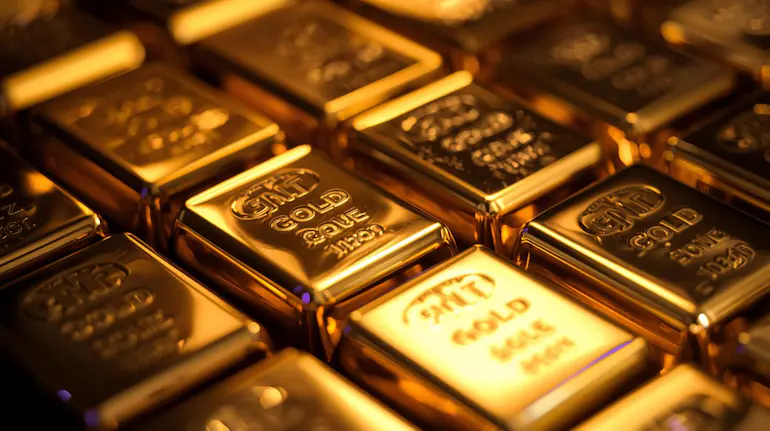
Gold and Silver Prices witnessed a sharp decline in early trading on Friday, November 20, as a stronger US dollar, rising bond yields and expectations of tighter monetary policy from the Federal Reserve weighed on precious metals. Domestic gold futures fell nearly 4%, while silver prices declined more than 5%, extending losses in the international bullion market.
The latest correction pushed domestic gold and silver prices towards levels last seen several months ago. Persistent inflation concerns and expectations of a possible Federal Reserve interest-rate increase in December have also influenced investor sentiment, increasing pressure on non-yielding assets such as gold and silver.
Gold and Silver Prices Fall Sharply on MCX
Domestic gold futures for December 4 delivery opened Friday’s session 3.94% lower at Rs 1,22,430 per 10 grams at 9:01 am IST, compared with the previous close on the Multi Commodity Exchange (MCX).
Silver futures also recorded a steep decline, falling 5.73% to Rs 1,48,466 per kilogram. The losses followed an already weak trading session, indicating continued selling pressure across the domestic bullion market.
In the previous session, MCX gold had closed at Rs 1,29,380 per 10 grams, while silver settled at Rs 1,61,166 per kilogram. The difference between the previous closing prices and Friday’s opening levels highlights the scale of the latest correction.
The decline has attracted attention from both physical buyers and futures traders. Lower prices can make purchases more affordable for consumers, but investors holding leveraged futures positions face the risk of substantial losses when prices move sharply against them.
International Gold Prices Head Towards a 10% Weekly Decline
International Gold Prices also remained under significant pressure during early trading. Spot gold (XAU/USD) initially traded near $3,634 per ounce before quickly reversing its gains and falling to around $3,531 per ounce, down 2.60%.
The metal was heading towards a weekly decline of approximately 10%, reflecting sustained selling pressure in international markets.
The movement indicates that the domestic correction is part of a broader global bullion sell-off. International gold prices influence domestic benchmarks, although local prices can also be affected by currency movements and other market factors.
Silver experienced similar weakness. Spot silver (XAG/USD) fell around 3.75%, moving from approximately $43 per ounce in early trading to just above $41 per ounce.
Silver was also heading towards a weekly decline of around 9%. The simultaneous weakness in both metals suggests that the pressure was not limited to gold but extended across the broader precious metals market.
Gold and Silver Rates Today in Mumbai
Retail bullion prices in Mumbai also reflected the decline in precious metals. The following rates were reported for Friday, November 20, 2026:
Gold Rate in Mumbai
- 24-karat gold: Rs 1,23,930 per 10 grams.
- 22-karat gold: Rs 1,13,520 per 10 grams.
Silver Rate in Mumbai
- Silver: Rs 1,490 per 10 grams.
- Silver: Rs 1,49,972 per kilogram.
Retail prices can differ from futures prices because of factors such as purity, local market conditions, taxes and applicable jewellery charges. Buyers should therefore distinguish between exchange-traded benchmarks and the final prices quoted by retailers.
Why Are Gold and Silver Prices Falling?
Several factors are contributing to the sharp correction in bullion prices. The most important include the stronger US dollar, elevated bond yields, inflation concerns and expectations surrounding the Federal Reserve’s next monetary policy decision.
1. Stronger US Dollar Weighs on Bullion
Gold and silver are internationally traded in US dollars. When the dollar strengthens, precious metals become more expensive for buyers using other currencies, potentially reducing international demand.
The dollar’s recent strength has therefore added pressure to bullion prices. However, the US dollar index was trading 0.04% lower at 103.88 during the reported session, indicating that its movement on Friday morning was slightly weaker despite its broader recent strength.
This distinction is important because bullion prices respond to changing expectations and previous currency movements, not just the direction of the dollar during a single trading session.
2. Higher Bond Yields Reduce Gold’s Relative Appeal
Gold does not generate regular interest income. When bond yields rise, investors may find interest-bearing assets more attractive compared with holding precious metals.
Higher US Treasury yields can therefore reduce the relative appeal of gold and silver, particularly when investors expect interest rates to remain elevated for longer.
The prospect of tighter monetary policy has added to concerns about the outlook for bullion, encouraging some investors to reduce their exposure to precious metals.
3. Federal Reserve Rate Expectations Increase Selling Pressure
Expectations of a possible Federal Reserve interest-rate increase in December have emerged as another factor weighing on bullion. Higher interest rates generally support the dollar and increase the opportunity cost of holding non-yielding assets.
Investors are closely watching inflation data and signals from Federal Reserve officials to assess the likely direction of monetary policy.
If the central bank maintains a restrictive approach, gold and silver could remain under pressure. Conversely, any indication of a softer policy outlook could influence investor demand for precious metals.
4. Forced Liquidation Adds to the Decline
Analysts have also pointed to forced liquidation as a possible factor behind the sharp fall. When prices decline rapidly, investors using borrowed funds or leveraged positions may face margin requirements and could be forced to close positions.
Such selling can intensify an existing correction because additional positions are liquidated as prices fall. This can create a cycle of selling pressure, particularly in volatile futures markets.
However, the available figures do not establish the exact contribution of forced liquidation to Friday’s decline.
What Vikram Subburaj Says About the Bullion Crash
Vikram Subburaj, CEO of Giottus, said the sharp decline in gold and silver prices was creating different outcomes for physical buyers and futures investors.
“Gold and silver’s sharp fall on November 20 is making purchases cheaper for Indian buyers while exposing futures investors to substantial losses. The domestic decline followed heavy international selling,” Subburaj said.
He added that a dollar near a 19-month high and expectations of a December Federal Reserve rate increase were weighing on bullion. According to his assessment, forced liquidation was also adding to the selling pressure.
The domestic decline is consistent with the weakness in international markets. However, the available figures cannot separately determine how much of the fall resulted from currency movements or the closure of domestic trading positions.
Subburaj’s assessment highlights the difference between physical gold buyers and investors trading futures. Lower prices can benefit consumers planning jewellery or investment purchases, while leveraged traders may experience significant losses when market movements go against their positions.
How Much Have Gold Futures Investors Lost?
Subburaj estimated that for someone buying 20 grams of gold, the decline in the MCX benchmark represented a reduction of Rs 10,034 in the value of the futures benchmark, before retail charges.
This calculation illustrates how quickly the value of a gold position can change during a sharp market correction. Physical buyers may benefit from lower purchase prices, but futures investors face a different risk because their exposure can be much larger than the initial margin deposited.
In leveraged trading, investors use margin to control a position whose total value is higher than the amount initially deposited. If the market moves sharply in the opposite direction, losses can accumulate quickly and traders may need to provide additional funds.
Subburaj cautioned that leveraged investors should assess their ability to fund further losses. Buyers planning a physical gold purchase may consider the lower prices in relation to their requirements, but the market’s volatility remains an important consideration.
Brent Crude Remains Above $90 per Barrel
While precious metals were declining, crude oil prices remained relatively firm. Brent crude oil futures were trading at $91.98 per barrel on the NYMEX, up 0.03% from the previous close.
Oil prices remaining above the $90-per-barrel level added another element to the broader Commodity Market outlook. Persistent energy costs can influence inflation expectations, which in turn affect investor assessments of future central bank policy.
For bullion traders, inflation and interest-rate expectations remain closely connected. If inflation pressures remain persistent, central banks may have less room to reduce interest rates, potentially keeping yields elevated and limiting demand for non-yielding assets.
What Should Investors Watch Next?
The next major factor for bullion markets will be the outcome of the Federal Reserve’s December meeting. Investors will closely examine the central bank’s assessment of inflation and its guidance on future interest rates.
Movements in the US dollar and Treasury yields will also remain important. A stronger dollar and elevated yields could continue to weigh on gold and silver, while a change in monetary policy expectations could influence demand for precious metals.
Analysts expect heightened volatility to persist, with the near-term outlook remaining subdued. The sharp weekly declines in international gold and silver prices demonstrate how quickly market expectations can change when investors reassess interest-rate risks.
For Indian buyers, the correction has brought domestic bullion prices lower, potentially improving affordability. However, futures investors face substantial risks from rapid price movements, especially when trading with leverage.
Ultimately, the direction of gold and silver will depend on global monetary policy expectations, currency movements and investor positioning. Until there is greater clarity on the Federal Reserve’s next steps, bullion markets could remain volatile.
For breaking news and live news updates, like us on Facebook or follow us on Twitter and Instagram. Read more on Latest Business on thefoxdaily.com.






COMMENTS 0