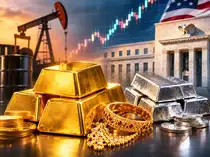
Gold and Silver prices rallied on the Multi Commodity Exchange (MCX), with gold gaining around Rs 1,400 per 10 grams and silver rising approximately Rs 4,000 per kilogram. Falling crude oil prices eased inflation concerns and reduced expectations of aggressive interest rate increases, supporting demand for Precious Metals.
A weaker US dollar also provided support to international bullion prices. Investors are now looking towards upcoming US inflation data for fresh clues about the Federal Reserve’s monetary policy direction. The data could influence interest rate expectations, currency movements and the near-term outlook for gold and silver.
Key Highlights
- MCX gold prices increased approximately Rs 1,400 per 10 grams.
- Silver prices advanced around Rs 4,000 per kilogram.
- Falling crude oil prices eased inflation concerns and interest rate hike expectations.
- A weaker US dollar provided additional support to precious metals.
- Investors are awaiting US inflation data for signals about the Federal Reserve’s next policy decisions.
Why Are Gold and Silver Prices Rising on MCX?
The rally in gold and silver prices has been supported by changing expectations about global inflation and interest rates. Lower crude oil prices can reduce concerns about rising energy costs, which are an important component of inflation in many economies.
When inflation pressures appear to ease, investors may become less concerned about central banks maintaining restrictive monetary policies for an extended period. This can support precious metals by improving expectations for future interest rate conditions.
Gold and silver do not offer regular interest payments. Therefore, expectations of lower interest rates can make these assets relatively more attractive compared with interest-bearing investments.
The weaker US dollar has provided another supportive factor. Since international gold and silver prices are generally quoted in dollars, a weaker dollar can make bullion more affordable for buyers using other currencies and support global demand.
Falling Crude Oil Prices Ease Rate Hike Concerns
Crude oil prices play an important role in shaping global inflation expectations. Higher oil prices can increase transportation, manufacturing and energy costs, potentially adding to inflationary pressure.
When oil prices decline, concerns about energy-driven inflation may ease. This can reduce expectations that central banks, including the US Federal Reserve, will need to raise interest rates aggressively to control inflation.
For gold and silver, the changing interest rate outlook is important because lower borrowing costs can reduce the opportunity cost of holding non-yielding assets. However, the relationship is not automatic, and bullion prices can also respond to currency movements, investment demand and geopolitical developments.
US Inflation Data in Focus
Investors are closely watching upcoming US inflation data to understand whether price pressures are cooling or remaining persistent. The figures could influence expectations about the Federal Reserve’s next interest rate decision.
If inflation comes in lower than expected, markets may increase their expectations of monetary policy easing. Such a development could support gold and silver through lower interest rate expectations and possible weakness in the US dollar.
However, stronger-than-expected inflation could produce the opposite reaction. Investors may anticipate interest rates remaining higher for longer, potentially strengthening the dollar and putting pressure on bullion prices.
As a result, traders are likely to remain cautious until the inflation figures provide a clearer indication of the US monetary policy outlook.
Gold and Silver International Price Drivers
International bullion prices influence trading on India’s MCX, although domestic prices are also affected by currency movements, import costs and local market conditions.
Gold and silver prices can respond differently to changes in global economic conditions. Gold is widely considered a store of value and is often used as a hedge against economic and financial uncertainty. Silver has both investment and industrial demand, making its price sensitive to manufacturing activity and expectations for industrial consumption.
The following factors are particularly important for international bullion markets:
- US dollar movements: Dollar weakness can support internationally traded gold and silver, while dollar strength can create pressure.
- Federal Reserve policy: Interest rate expectations influence the attractiveness of non-yielding precious metals.
- Crude oil prices: Changes in energy prices can influence inflation expectations and monetary policy outlooks.
- Global economic uncertainty: Financial and geopolitical risks can increase demand for safe-haven assets.
- Industrial demand: Silver prices can also respond to expectations for industrial consumption.
How Should You Trade Gold: Buy, Sell or Hold?
The recent rise in MCX gold prices has improved short-term sentiment, but deciding whether to buy, sell or hold depends on an investor’s time horizon, entry price and risk tolerance.
Buy: Consider Waiting for Confirmation
Investors considering fresh gold purchases may watch whether prices sustain their recent gains. Continued weakness in crude oil prices, a softer US dollar and expectations of lower interest rates could provide further support to bullion.
However, buying after a sharp rally can increase the risk of entering at elevated prices. Investors should avoid making decisions based only on one session’s movement.
Sell: Watch for a Reversal in Global Conditions
Short-term traders may monitor signs of weakening momentum, particularly if US inflation data comes in higher than expected or the dollar strengthens. Such developments could increase pressure on gold prices.
Investors holding gold should also consider their original investment objective and risk exposure rather than reacting only to short-term price movements.
Hold: A Cautious Approach During Market Uncertainty
Existing investors with a longer-term investment horizon may consider maintaining their positions while monitoring changes in interest rate expectations and global economic conditions.
However, holding does not eliminate market risk. Gold and silver prices can experience sharp corrections, and investors should review their allocation according to their financial goals.
Silver Trading Outlook: What Should Investors Watch?
Silver has gained around Rs 4,000 per kilogram on MCX, reflecting the positive momentum across precious metals. Its outlook depends not only on interest rate expectations and dollar movements but also on industrial demand.
Unlike gold, silver has significant industrial applications. Changes in expectations for manufacturing activity and industrial consumption can therefore influence its price independently of movements in gold.
Traders should monitor whether silver sustains its gains and how it responds to upcoming US inflation data. Without confirmed technical support and resistance levels, it would be premature to identify specific entry or exit prices.
Important Risks for Gold and Silver Investors
Despite the recent rally, precious metals remain exposed to several risks. A stronger US dollar, higher interest rate expectations or a sudden improvement in global risk appetite could reduce investment demand for bullion.
Domestic investors should also remember that international price movements do not translate directly into identical MCX price changes. Currency fluctuations, import-related costs and domestic market conditions can affect local prices.
Investors trading futures and options should be particularly careful because leverage can magnify both gains and losses. Stop-loss orders and appropriate position sizing can help manage exposure during volatile market conditions.
Conclusion
MCX gold prices have climbed around Rs 1,400 per 10 grams, while silver has gained approximately Rs 4,000 per kilogram. Falling crude oil prices, easing inflation concerns and a weaker US dollar have supported the latest rally in precious metals.
The next major trigger for bullion markets will be US inflation data, which could influence expectations about the Federal Reserve’s interest rate decisions. For investors, the current environment calls for caution rather than chasing a sharp price move. The decision to buy, sell or hold should depend on individual investment goals, risk tolerance and confirmation from market trends.
For breaking news and live news updates, like us on Facebook or follow us on Twitter and Instagram. Read more on Latest Business on thefoxdaily.com.






COMMENTS 0