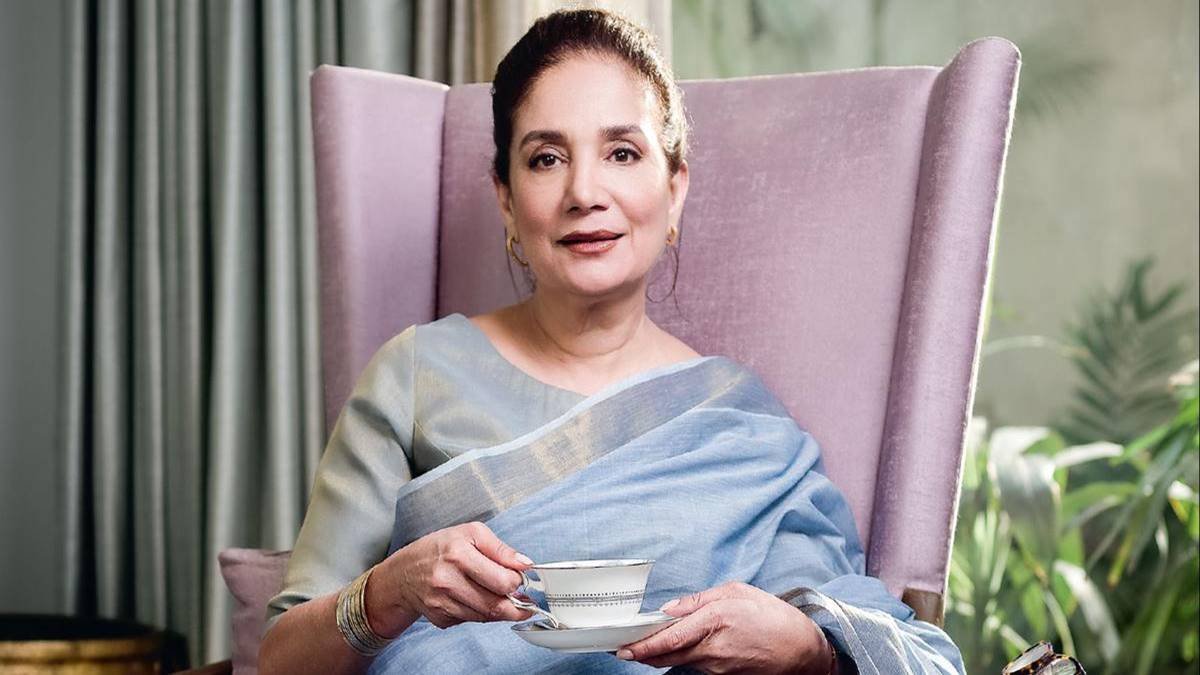
At 45, Mira Kulkarni had little experience of running a business. After a difficult phase in her personal life, she began making handmade candles and soaps at home in 2000, hoping to create a source of income. With an initial investment of just Rs 2 lakh and two employees, she started a small venture that would eventually grow into Forest Essentials, one of India’s recognised luxury Ayurvedic skincare brands.
Nearly 26 years later, the business has grown into a company reporting annual revenue of more than Rs 580 crore. It has also attracted the attention of American beauty major The Estée Lauder Companies, which completed its acquisition of the remaining 51% stake in October 2026, taking full ownership of the Indian brand.
Kulkarni’s journey from experimenting with candles at home to building a luxury beauty company is a story of personal resilience, Entrepreneurship and the commercial potential of India’s traditional skincare knowledge.
Key Highlights
- Mira Kulkarni started Forest Essentials in 2000 with an investment of Rs 2 lakh and two employees.
- The business grew from handmade candles and soaps into a luxury Ayurvedic skincare brand.
- Forest Essentials reported revenue of Rs 584.51 crore in FY25, up from Rs 496.81 crore in FY24.
- The Estée Lauder Companies first invested in the brand in 2008 and increased its stake to 49% in 2020.
- Estée Lauder completed the acquisition of the remaining 51% stake on October 5, 2026, for $160 million.
Mira Kulkarni’s Early Life and Personal Challenges
Raised in Delhi, Kulkarni spent part of her childhood at a boarding school in Shimla before moving to Madras with her family. At 19, she faced an important decision between pursuing higher education at Cambridge and accepting a marriage proposal. She chose marriage, against her father’s wishes, a decision she would later question.
Her married life did not unfold as she had expected. After having two children, she faced growing personal difficulties as her husband’s business encountered financial trouble. Eventually, she left the marriage and returned to Delhi.
Her circumstances became more challenging when she lost both her parents in quick succession. At 28, she found herself raising two young children without the financial security she had expected. Her father’s death had also left the family with limited savings.
To generate income, Kulkarni began renting out part of the family home. Although she had not planned to become an entrepreneur, these circumstances pushed her towards finding an independent source of income.
How a Power Cut Inspired Her First Business
An unexpected experience during a family holiday in 1999 gave Kulkarni an idea that would eventually change her life. During a power outage at a cottage, the family collected melted candle wax and reheated it to make new candles.
The experience encouraged her to experiment with candle-making. She began creating beeswax candles infused with herbs, pressed flowers and essential oils. She eventually showcased these products under the name Candlemania.
The response to her candles gave her the confidence to explore other handmade products. She turned her attention to soaps, an experiment that became the foundation of Forest Essentials.
Forest Essentials Started With Just Rs 2 Lakh
Kulkarni launched Forest Essentials in 2000 with an initial investment of Rs 2 lakh and two employees. The business initially operated from her home. As orders increased, she expanded the working space into the garage.
Unlike entrepreneurs who begin with ambitious expansion targets or external funding, Kulkarni adopted a gradual approach. She reinvested the money earned by the business instead of immediately seeking outside investment.
In an interview with Forbes India, she described her early approach to building the company.
“We made money and put it back in the business. This was a slower way of growth but there was no goal to get to and there was no need to get any funding,” she said.
She also acknowledged that she had little formal business knowledge when she started. “I had no business sense at all,” she said.
Her early experience highlights how the company developed through experimentation, customer response and reinvestment rather than a conventional startup funding model.
Identifying a Gap in India’s Skincare Market
One of the important decisions behind Forest Essentials was Kulkarni’s understanding of the Indian personal care market. At the time, many Ayurvedic products were positioned mainly as medicinal preparations, while premium skincare products with a distinctly Indian identity were relatively limited.
Kulkarni wanted to change that perception by bringing traditional Ayurvedic formulations into the luxury personal care category.
While developing handmade soaps, she consulted Ayurvedic vaids to understand traditional formulations. The process involved sourcing ingredients such as cold-pressed oils, herbs and other natural components, many of which were expensive.
Her approach combined traditional knowledge with product quality, packaging and presentation designed to appeal to premium beauty consumers.
This positioning became central to the brand’s identity. Rather than competing only on price, Forest Essentials focused on presenting Indian Ayurvedic skincare as a luxury experience.
Hyatt Regency Order Became an Important Breakthrough
Forest Essentials received an important institutional opportunity when the Hyatt Regency in Delhi placed an order for its products in the early 2000s.
The order helped the young business enter the luxury hospitality segment. Supplying products to hotels and spas offered another route to reach customers who were already familiar with premium personal care experiences.
Over time, the company expanded beyond candles and soaps. Its portfolio grew to include body oils, haircare products, body polishes, facial serums and other skincare products.
This expansion helped Forest Essentials move from a small home-based operation towards a broader beauty business with multiple product categories and distribution channels.
Estée Lauder’s Investment Changed the Company’s Growth Journey
A major turning point came in 2008, when The Estée Lauder Companies invested in Forest Essentials through a minority stake. The partnership connected the Indian brand with a global beauty company and marked an important development in its ambition to establish itself in the luxury skincare market.
Estée Lauder subsequently increased its ownership to 49% in 2020. The association provided Forest Essentials access to the experience and international distribution network of a major global beauty group.
At the same time, Forest Essentials continued to develop its own identity, product portfolio and manufacturing capabilities in India.
The brand gradually strengthened its retail presence, entered international markets and expanded its relationships with luxury hotels. Its growth demonstrated the commercial opportunity for premium Indian beauty products built around traditional ingredients and formulations.
Forest Essentials Revenue Crossed Rs 580 Crore in FY25
The company’s financial performance reflects the scale of its expansion. Forest Essentials operates through Mountain Valley Springs India Private Limited. According to consolidated financial data available on Tracxn, the company reported revenue of Rs 584.51 crore in FY25, compared with Rs 496.81 crore in FY24.
This represented year-on-year revenue growth of approximately 18%. The company’s revenue has increased substantially from the Rs 224.70 crore reported in FY19.
Although revenue declined to Rs 212.86 crore in FY21, it subsequently recovered and crossed Rs 400 crore in FY23.
Revenue and Profit Growth
Profitability also improved during FY25. EBITDA increased to Rs 284.30 crore from Rs 206.16 crore in FY24. Net profit rose to Rs 123.51 crore from Rs 72.02 crore over the same period, representing growth of approximately 72%.
The figures indicate that Forest Essentials expanded its revenue while also improving its earnings. This is an important aspect of the company’s journey because business growth is not measured only by sales but also by its ability to generate profits.
Its financial performance helped establish Forest Essentials as a significant Indian luxury beauty business before Estée Lauder moved towards full ownership.
Estée Lauder Completes Acquisition of Remaining 51% Stake
The partnership between Forest Essentials and Estée Lauder entered a new phase in March 2026, when the American beauty company announced an agreement to acquire the remaining 51% stake in the Indian brand.
The transaction was completed on October 5, 2026, for a consideration of $160 million, according to Estée Lauder’s regulatory filing with the US Securities and Exchange Commission.
The acquisition ended the minority-investment arrangement that had begun in 2008. Forest Essentials became part of Estée Lauder’s wholly owned business portfolio, giving the global company full ownership of the Indian Ayurvedic beauty brand.
The deal also reflects the strategic importance of India’s premium beauty market and the international appeal of brands built around traditional skincare knowledge.
Will Forest Essentials Continue to Operate From India?
Despite the change in ownership, Forest Essentials is expected to retain its Indian roots. When announcing the transaction, Estée Lauder said the brand would continue to be headquartered in New Delhi.
Kulkarni and her son, Samrath Bedi, are set to continue overseeing the business. This arrangement is important for maintaining the brand’s existing identity and connection with Indian Ayurvedic traditions.
For Estée Lauder, full ownership provides greater control over a brand that has built its position in the luxury skincare segment. For Forest Essentials, the association offers the potential to benefit from the global company’s experience and international reach.
What Makes Mira Kulkarni’s Entrepreneurial Journey Significant?
Kulkarni’s journey stands out because Forest Essentials did not begin as a large business backed by institutional investors. It started with a small investment, a home-based operation and products developed through experimentation.
Her decision to focus on premium Ayurvedic skincare also helped create a distinct market position. By combining traditional formulations with luxury packaging and presentation, she built a brand that could appeal to consumers looking for Indian-origin beauty products in the premium segment.
The company’s growth also demonstrates the importance of patience and reinvestment. Instead of pursuing rapid expansion through external funding in its early years, Kulkarni chose to build the business gradually as demand increased.
From a small candle-making experiment in 1999 to a company reporting more than Rs 580 crore in annual revenue, Forest Essentials has undergone a remarkable transformation.
Conclusion
Mira Kulkarni’s story is an example of how personal challenges can lead to unexpected entrepreneurial opportunities. Starting with Rs 2 lakh, two employees and handmade products, she built Forest Essentials into a recognised luxury Ayurvedic skincare brand.
The company’s financial growth and its acquisition by The Estée Lauder Companies mark significant milestones in that journey. What began as a small effort to create an independent source of income has become an internationally connected beauty business, demonstrating the potential of Indian traditional knowledge in the global luxury market.
For breaking news and live news updates, like us on Facebook or follow us on Twitter and Instagram. Read more on Latest Business on thefoxdaily.com.






COMMENTS 0