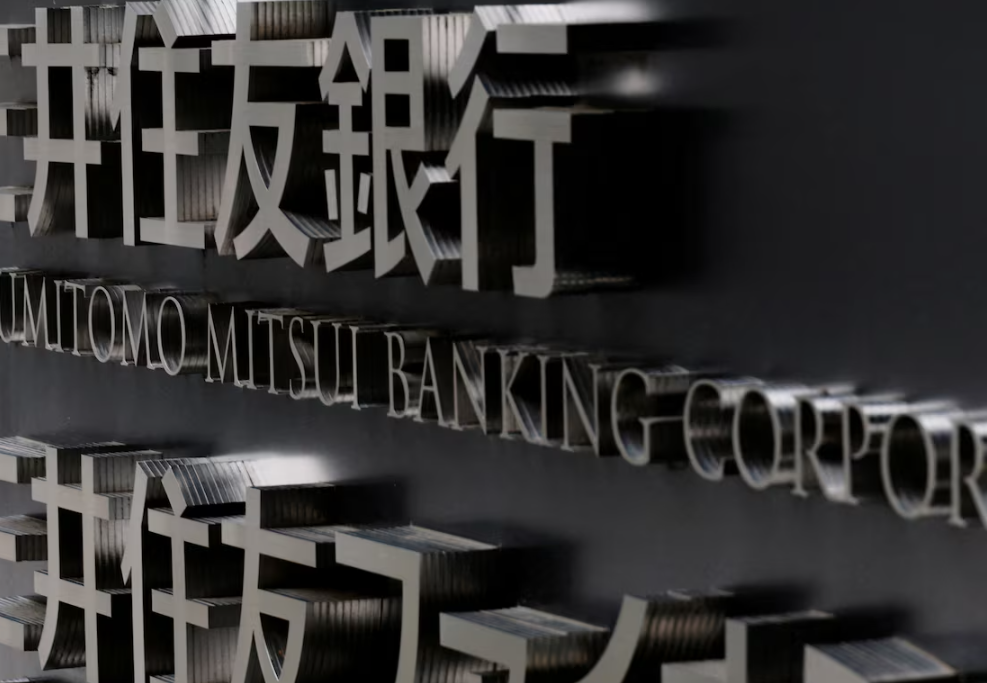
Japan’s Sumitomo Mitsui Banking Corp (SMBC) is in advanced talks to increase its stake in Vietnam’s VPBank to about 20% from 15%, according to four people familiar with the negotiations. The potential investment would deepen SMBC’s presence in one of Southeast Asia’s fastest-growing banking markets and expand its access to Vietnamese consumers and businesses.
The negotiations come as Vietnam seeks faster economic growth, stronger domestic consumption and increased Foreign Investment. They also follow Vietnam’s upgrade to emerging-market status by global index provider FTSE Russell, a development that could encourage additional international capital flows into the country’s financial markets.
SMBC Wants to Increase Its VPBank Ownership
SMBC, the banking arm of Japan’s Sumitomo Mitsui Financial Group, is discussing an increase in its VPBank holding from 15% to approximately 20%, the sources said.
The Japanese lender acquired its existing 15% stake in 2023 in a transaction valued at about $1.5 billion. The deal represented a major strategic investment in Vietnam’s private banking sector.
The two sides are aiming to complete a new transaction before the end of 2026, according to two of the people familiar with the negotiations. However, the discussions remain unresolved because SMBC and VPBank have different views on valuation.
The sources requested anonymity because the negotiations are private. SMBC and VPBank declined to comment on the discussions.
Valuation Is the Main Obstacle
VPBank is seeking a substantial premium over its current share price, according to one of the sources. The bank’s position reflects the premium SMBC paid when it acquired its original stake in 2023.
SMBC paid approximately 40% above the market value of VPBank shares in that transaction.
However, SMBC is reportedly reluctant to pay a similar premium for the additional stake. One source said the Japanese bank has internally considered buying shares through the open market instead of completing another private placement.
The difference in valuation expectations is therefore one of the key issues that must be resolved before a deal can be completed.
A 5% Additional Stake Could Be Worth About $425 Million
At current market prices, a 5% stake in VPBank would be worth approximately $425 million.
That figure provides an indication of the potential scale of the transaction, although the final value could be different depending on the price agreed by the two sides.
VPBank has previously indicated that it was discussing a private share placement with foreign investors. In April, the Vietnamese bank said it was in talks with unspecified overseas investors.
A report from Switzerland-based advisory firm Turicum Investment Management in May estimated that VPBank could raise between $700 million and $900 million through the sale of newly issued shares.
The proposed transaction with SMBC could therefore form part of a broader effort by VPBank to attract additional foreign capital and strengthen its financial position.
Why SMBC Wants Greater Exposure to Vietnam
Vietnam has become an increasingly important manufacturing and investment hub in Asia. Japanese, South Korean and Western companies have established large operations in the country, creating demand for banking, financing, payments, insurance and wealth-management services.
SMBC already has relationships with Japanese companies operating in Vietnam. Increasing its ownership of VPBank could provide the Japanese lender with a deeper platform for serving both multinational corporations and local customers.
When SMBC announced its original investment in 2023, it said the partnership would allow it to provide additional financial services to Japanese customers and multinational companies operating in Vietnam.
The investment was also intended to strengthen VPBank’s retail banking activities, including wealth management and credit cards.
Banking Opportunity Extends Beyond Corporate Customers
The potential increase in SMBC’s ownership could also give the Japanese bank greater access to Vietnamese consumers.
One of the sources said an objective of the planned increase is to expand SMBC’s access to Vietnamese customers in areas including insurance and credit.
Vietnam’s growing middle class is creating new demand for consumer financial products. Rising household incomes and increased consumption can support growth in areas such as mortgages, personal loans, credit cards, insurance and investment products.
For an international bank such as SMBC, a stronger strategic relationship with a major Vietnamese lender can provide an opportunity to participate in that expansion without building an entirely new retail banking network from scratch.
Vietnam Is Targeting Rapid Economic Growth
Vietnam is targeting annual economic growth of at least 10% through 2030, according to the Reuters report.
The country’s strategy relies heavily on infrastructure investment, manufacturing, exports and rising domestic consumption.
Vietnam has become an important destination for companies looking to establish or diversify manufacturing operations in Asia. Its export-oriented economy has attracted major companies across electronics, automobiles and other industries.
Honda, Samsung and Intel are among the major international companies with manufacturing operations in the country.
Greater foreign investment can increase demand for corporate banking services, while higher household wealth can expand the market for consumer financial products.
Vietnam’s Emerging-Market Upgrade Could Attract More Capital
The potential SMBC investment comes shortly after an important development for Vietnam’s financial markets.
FTSE Russell upgraded Vietnam’s stock market to emerging-market status this week. The change is expected to increase the country’s visibility among international investors and potentially support greater foreign capital inflows.
Market classification can matter because some institutional investors use benchmark indexes to determine where capital is allocated. A higher classification can therefore broaden the potential investor base, although the actual impact depends on investment mandates, market accessibility and broader economic conditions.
For Vietnamese banks, increased foreign participation could support valuations and provide additional capital for expansion.
Foreign Banks Are Already Investing in Vietnam
SMBC is not the only major Asian banking group seeking a strategic presence in Vietnam.
Japan’s Mizuho Financial Group and MUFG Bank hold strategic minority stakes in major Vietnamese lenders. South Korea’s KEB Hana Bank also has a strategic investment in Vietnam’s banking sector.
These investments reflect the growing importance of Vietnam to regional financial institutions.
Japanese and South Korean banks have particularly strong incentives because companies from both countries have significant manufacturing and supply-chain operations in Vietnam.
Strategic bank stakes can allow foreign financial institutions to develop relationships with local businesses while also supporting the banking needs of multinational companies operating in the country.
Vietnam’s Foreign Ownership Rules Limit Stakes
Foreign ownership regulations are an important consideration in the negotiations.
Foreign ownership of Vietnamese banks is generally capped at 30%, while an individual foreign investor and its affiliates are typically limited to a 20% stake.
VPBank is an exception. The bank has been permitted to operate with a higher foreign ownership ceiling of 49% after participating in the restructuring of GPBank, a weaker lender.
That higher ceiling gives VPBank more flexibility when negotiating with international investors.
For SMBC, increasing its stake to approximately 20% would therefore remain within the typical individual foreign-investor limit while significantly increasing its economic exposure to VPBank.
Private Placement or Open-Market Purchase?
One of the unresolved questions is how SMBC would acquire the additional shares.
A private placement would allow VPBank to issue or transfer a defined block of shares directly to the Japanese lender. Such a structure could provide VPBank with new capital if newly issued shares are used.
An alternative would be an open-market purchase, under which SMBC would gradually acquire shares through market transactions.
The choice could depend on the valuation gap between the two sides, the availability of shares and regulatory requirements.
The sources said SMBC has considered the open-market option because it is reluctant to pay the premium VPBank is seeking.
What the Deal Could Mean for VPBank
For VPBank, a larger strategic investment from a major Japanese financial group could strengthen its international shareholder base and deepen its relationship with Japanese corporate customers.
Additional capital could also support lending and investment in areas such as retail banking, wealth management, insurance partnerships and digital financial services, depending on the eventual structure of the transaction.
A strategic shareholder can also provide access to international expertise, technology and corporate networks.
However, the final benefits would depend on the terms of the investment and how the two institutions expand their commercial partnership.
What the Deal Could Mean for SMBC
For SMBC, raising its stake would provide greater exposure to Vietnam’s banking and consumer-finance growth.
The Japanese lender would gain a larger economic interest in VPBank while strengthening a relationship that already began with the 2023 investment.
Vietnam’s expanding manufacturing sector could also provide opportunities for SMBC to serve companies connected to Japanese and multinational supply chains.
Greater exposure to retail banking could provide another growth avenue as Vietnamese households become wealthier and demand for financial products expands.
Why Vietnam Is Becoming More Important to Japanese Banks
Japanese financial institutions have long followed Japanese companies overseas. Vietnam’s role as a manufacturing and export hub makes it particularly relevant to banks supporting corporate supply chains.
Japanese companies operating in Vietnam require services ranging from working-capital financing and foreign exchange to payments, trade finance and investment banking.
At the same time, Vietnamese businesses supplying multinational manufacturers can create additional demand for corporate credit and transaction banking.
A strategic relationship between SMBC and VPBank can therefore serve both sides of the market: international companies operating in Vietnam and Vietnamese companies participating in global supply chains.
The Broader Competition for Vietnam’s Banking Market
Vietnam’s banking sector is becoming increasingly important as the country seeks faster economic expansion.
International banks face the challenge of balancing growth opportunities with local regulations, competition and valuation levels.
Strategic minority investments offer one way for foreign banks to gain exposure while partnering with established domestic institutions.
The presence of SMBC, MUFG, Mizuho and KEB Hana Bank among strategic investors shows that major Asian financial institutions are already positioning themselves within Vietnam’s banking ecosystem.
What Happens Next
The immediate focus will be on whether SMBC and VPBank can close their valuation gap.
The two sides reportedly want to complete a transaction this year, but no final agreement has been announced.
If SMBC reaches an agreement to raise its holding to about 20%, the transaction would deepen its strategic relationship with VPBank and increase its exposure to Vietnam’s expanding financial-services market.
If the valuation difference remains unresolved, SMBC could consider alternatives such as buying shares through the open market, according to the sources.
For Vietnam’s banking sector, the negotiations are another indication of the growing interest from international financial institutions in a market supported by manufacturing investment, rising consumption and ambitious economic-growth targets.
The final structure and valuation of any transaction will determine how significant the investment becomes for both SMBC and VPBank. For now, the talks demonstrate the strategic value that major Asian banks are placing on Vietnam’s next phase of financial and economic growth.
FAQs
What is SMBC discussing with VPBank?
SMBC is reportedly in advanced talks to increase its stake in Vietnam’s VPBank from 15% to approximately 20%.
How much did SMBC pay for its original VPBank stake?
SMBC acquired a 15% stake in VPBank in 2023 in a transaction worth approximately $1.5 billion.
Why does SMBC want to increase its VPBank stake?
The investment would give SMBC greater exposure to Vietnamese consumers and businesses while strengthening its ability to serve Japanese and multinational companies operating in Vietnam.
Why have SMBC and VPBank not reached an agreement yet?
The main reported obstacle is valuation. VPBank is seeking a substantial premium, while SMBC is reluctant to pay a premium similar to the one involved in its 2023 investment.
How much could a 5% VPBank stake be worth?
At the market prices cited in the Reuters report, a 5% stake would be worth approximately $425 million. The final transaction value could differ depending on the agreed price.
What is Vietnam’s foreign ownership limit for banks?
Foreign ownership of Vietnamese banks is generally capped at 30%, while an individual foreign investor and its affiliates are typically limited to 20%. VPBank has a higher foreign ownership ceiling of 49% because of its participation in the restructuring of GPBank.
Which other foreign banks have stakes in Vietnamese lenders?
Japan’s Mizuho Financial Group and MUFG Bank, as well as South Korea’s KEB Hana Bank, hold strategic minority stakes in major Vietnamese banks.
How could Vietnam’s emerging-market upgrade affect its banks?
Vietnam’s upgrade by FTSE Russell could increase the country’s visibility among international investors and potentially support additional foreign capital flows, although the actual impact will depend on market conditions and investor participation.
For breaking news and live news updates, like us on Facebook or follow us on Twitter and Instagram. Read more on Latest Business on thefoxdaily.com.



COMMENTS 0