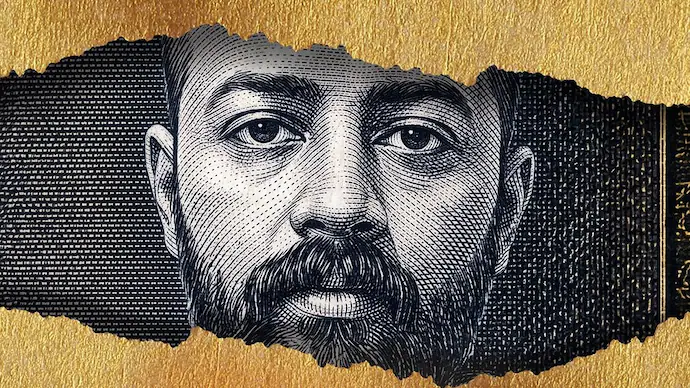
Netflix is bringing one of India’s widely discussed alleged fraud cases to the screen with Love Scam Aur Dhokha: The Sukesh Chandrashekhar Story, a true-crime documentary examining the rise of Sukesh Chandrashekhar and the allegations surrounding his activities. Produced by India Today Originals, the project is scheduled to premiere on December 18, 2026.
Rather than focusing only on the headline-making allegations, the documentary aims to investigate the methods through which Chandrashekhar allegedly built a network of deception, cultivated influential connections and continued to operate despite being lodged in Tihar jail. It will also examine the circumstances and possible institutional gaps that may have allowed the alleged activities to continue.
Directed by Moumita Sen and Niyantha Shekar, the documentary draws on more than two years of research. Its scope extends from Chandrashekhar’s early years in Bengaluru to the high-profile allegations that brought him national attention. The filmmakers also intend to explore the psychology of trust and persuasion behind the case: how he allegedly convinced people to believe his claims and become part of his network.
What Is Love Scam Aur Dhokha: The Sukesh Chandrashekhar Story About?
Love Scam Aur Dhokha will examine the alleged fraud operations associated with Chandrashekhar, whose name has featured in reports involving multiple identities, extravagant claims and alleged financial deception running into hundreds of crores.
The documentary’s central focus is not simply the scale of the allegations, but the alleged system that made them possible. It will look at how Chandrashekhar reportedly presented himself to different people, built relationships and used claims of influence to establish credibility.
This distinction matters in understanding fraud cases. Financial deception often depends on more than a false promise or a fabricated identity. The person making the claim must also persuade others that the story is believable. That can involve projecting authority, suggesting access to powerful individuals or creating an impression of wealth and influence.
The documentary’s stated intention to examine how Chandrashekhar allegedly gained people’s trust suggests that it will explore these methods alongside the financial allegations. It may offer viewers a closer look at the relationship between personal persuasion, perceived status and alleged organised deception.
From Bengaluru to the Centre of High-Profile Fraud Allegations
The documentary will trace Chandrashekhar’s journey from his early years in Bengaluru to the controversies that made him a prominent name in India’s crime-related news coverage.
Its narrative will also examine the alleged connections he claimed or developed with influential people, including politicians and Bollywood celebrities. These links are an important part of the public interest surrounding the case because they raise questions about how access, reputation and perceived proximity to powerful circles can influence people’s decisions.
However, the presence of a public figure’s name in reporting about a case does not, by itself, establish involvement in wrongdoing. The distinction between an alleged association, a claim made by an accused person and a proven connection is essential when examining a case involving prominent individuals.
By investigating the network surrounding Chandrashekhar, the documentary has an opportunity to separate the various claims and relationships that have contributed to public interest in the case. Its findings and presentation will be important in determining how clearly viewers can distinguish allegations from established facts.
Why the Tihar Jail Connection Is a Key Part of the Documentary
One of the most striking aspects of the story is the allegation that Chandrashekhar continued to operate even while lodged in Tihar jail. The documentary plans to investigate how this was allegedly possible and examine the gaps in the system that may have enabled his activities.
The jail angle adds an institutional dimension to a case otherwise associated with financial deception and claims of influential contacts. Prisons are intended to restrict the freedom of people in custody and prevent them from continuing criminal activities. Allegations that a person managed to maintain an operational network from inside a correctional facility therefore raise questions about monitoring, communication controls and the effectiveness of security procedures.
These are also questions that extend beyond one individual case. If alleged operations can continue despite incarceration, investigators and institutions may need to examine how communication was maintained, whether existing safeguards were followed and where oversight may have failed. The documentary’s examination of these issues could help viewers understand why the case has attracted attention beyond the allegations of financial fraud.
It is important, however, to distinguish the documentary’s investigative focus from a legal finding. Its exploration of alleged activities and possible institutional failures does not automatically establish how every part of the network operated or who was responsible for any shortcomings. Those questions must be understood through evidence and the relevant legal proceedings.
More Than Two Years of Research Behind the Netflix Documentary
According to the announcement, the project is based on more than two years of research. That period of preparation indicates an attempt to build a broader account of Chandrashekhar’s story rather than produce a documentary centred only on familiar headlines.
The research-led approach is particularly relevant for a case involving multiple allegations, claimed identities and references to influential people. Such stories can become difficult to follow when separate incidents, accusations and public statements are discussed together without a clear timeline or explanation of their connection.
A detailed documentary can help organise that material by examining the sequence of events, the people involved and the methods allegedly used. It can also provide space to explain how different parts of a case relate to one another, instead of treating every new allegation as an isolated development.
For viewers, the value of that approach will depend on how the documentary presents its material. Clear distinctions between verified information, investigative findings, allegations and personal accounts are especially important in true-crime storytelling. This is even more significant when a case involves people whose names have appeared in connection with an accused individual but whose roles may differ substantially.
Who Is Behind Love Scam Aur Dhokha?
Love Scam Aur Dhokha: The Sukesh Chandrashekhar Story is produced by India Today Originals and directed by Moumita Sen and Niyantha Shekar. Karan Rana serves as co-director, while Chandni Ahlawat Dabas is the executive producer.
The project also has Munish Pandey and Shams Tahir Khan as crime consultants. Their involvement reflects the documentary’s focus on investigating a complex case involving alleged financial deception, personal networks and questions about institutional oversight.
The combination of directors, an executive producer and crime consultants brings different responsibilities to the production. The directors shape the narrative and its presentation, while the executive producer oversees the project at the production level. The crime consultants are associated with the subject’s investigative dimension.
For a documentary dealing with serious allegations, the way this material is selected and presented will be central to its credibility. A compelling account needs to do more than create suspense. It must help viewers understand what is known, what remains alleged and why the distinction matters.
From Curry & Cyanide to The Indrani Mukerjea Story: Netflix’s True-Crime Slate
The new documentary comes from the team behind two other Netflix true-crime projects: Curry & Cyanide: The Jolly Joseph Case and The Indrani Mukerjea Story: Buried Truth.
Both titles examine cases that generated considerable public attention in India. Their association with the team behind Love Scam Aur Dhokha places the Sukesh Chandrashekhar documentary within a continuing body of work focused on real criminal investigations and stories that have remained part of public discussion.
True-crime documentaries have a particular challenge when adapting real cases for a streaming audience. They must explain complicated events in a format that remains accessible without reducing the subject to dramatic twists or treating allegations as established conclusions. The balance between storytelling and factual responsibility becomes especially important when the case involves ongoing legal questions or people whose involvement is disputed.
For Love Scam Aur Dhokha, the central challenge will be presenting Chandrashekhar’s alleged methods and network in a way that gives viewers a clear understanding of the case. Its focus on the alleged operation from Tihar jail could also distinguish it from a conventional account that concentrates mainly on financial allegations.
What Makes the Sukesh Chandrashekhar Case Relevant to a Wider Audience?
The case raises broader questions about how people assess credibility and how claims of wealth, status or access can influence trust. These issues are relevant beyond celebrity circles or high-profile financial cases. Fraud often relies on a gap between what a person claims and what others can independently verify.
In Chandrashekhar’s case, the documentary intends to examine allegations involving multiple identities, extravagant claims and influential connections. These elements provide a basis for exploring how an individual can allegedly construct an image that encourages others to accept claims that may otherwise invite scrutiny.
One practical lesson from stories involving alleged deception is the importance of independent verification. A claimed connection to a politician, celebrity, business leader or institution should not be treated as proof of legitimacy. Similarly, an impressive lifestyle or confident presentation does not establish that a financial proposal or personal claim is genuine.
The documentary’s emphasis on how Chandrashekhar allegedly persuaded people to trust him could make this aspect of the story particularly relevant. Understanding the process of persuasion can be as important as learning the alleged financial scale of a fraud. It shifts the focus from the amount of money involved to the circumstances that may have allowed deception to take hold.
There is also a public-interest dimension to the proposed examination of institutional gaps. Alleged wrongdoing involving a person in custody raises questions about the systems responsible for preventing further activity. A detailed account of those issues could help audiences understand that preventing fraud and investigating it may involve several layers of responsibility.
What Viewers Should Look for in the Documentary
The documentary’s announcement identifies several areas it plans to explore. As viewers approach the series, a few distinctions will be important to understanding the case accurately.
- Allegations and established facts: Claims made against Chandrashekhar should be distinguished from matters established through evidence or legal findings.
- Influential connections: References to politicians or Bollywood personalities should be understood in context. A claimed association does not automatically establish participation in alleged wrongdoing.
- Methods of deception: The documentary’s account of how trust was allegedly built may help explain the personal and social dimensions of the case.
- The jail investigation: Its examination of alleged activities from Tihar jail could shed light on questions about institutional monitoring and oversight.
- The research behind the story: The presentation of documents, accounts and investigative material will matter in assessing how thoroughly the documentary supports its narrative.
These distinctions are not merely technical details. They help prevent a complex criminal case from being reduced to a collection of sensational claims. They also allow viewers to assess the documentary as an account of an investigation rather than assume that every element of its subject’s public reputation has been legally established.
Love Scam Aur Dhokha Release Date: When Will It Stream on Netflix?
Love Scam Aur Dhokha: The Sukesh Chandrashekhar Story is scheduled to premiere on Netflix on December 18, 2026. The documentary will be available as part of the platform’s true-crime offering and is produced by India Today Originals.
With more than two years of research behind the project, the documentary aims to revisit the allegations surrounding Chandrashekhar through a wider investigation of his background, claimed relationships and alleged methods of operation. Its focus on the Tihar jail angle also brings institutional questions into the story.
The series will ultimately be judged by how effectively it connects these different strands and how carefully it handles the distinction between allegations and established facts. For audiences familiar with the headlines, its potential value lies in providing a structured account of the case and examining the mechanisms that allegedly allowed the deception to continue.
Rather than simply revisiting the controversy around one individual, Love Scam Aur Dhokha aims to explore the wider questions raised by the case: how trust can be manipulated, how claims of influence can shape decisions and how institutions are expected to respond when alleged wrongdoing continues despite restrictions. Those questions will form the documentary’s central appeal when it arrives on Netflix on December 18, 2026.
For breaking news and live news updates, like us on Facebook or follow us on Twitter and Instagram. Read more on Latest Entertainment on thefoxdaily.com.






COMMENTS 0