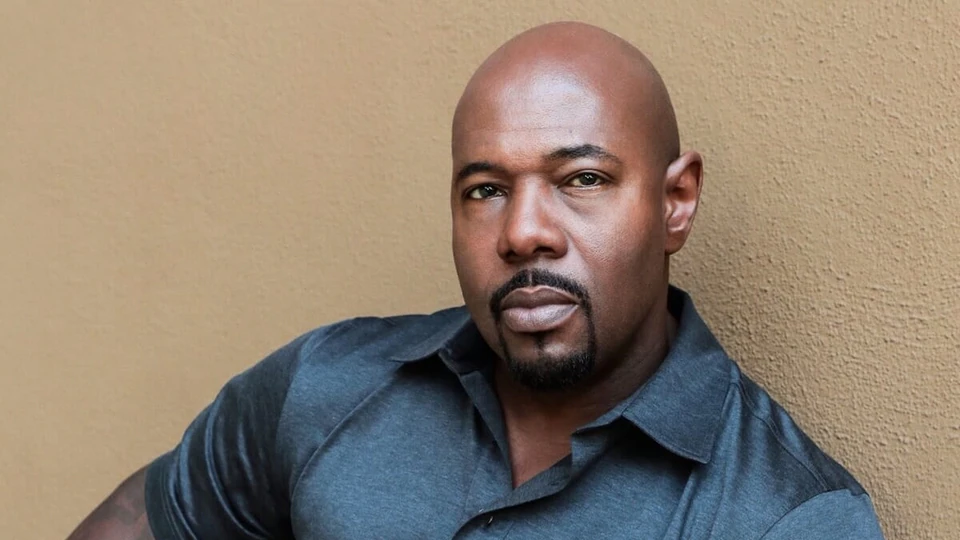
Antoine Fuqua, the filmmaker behind the Michael Jackson biopic Michael, has been named in a civil lawsuit filed by a Los Angeles bar manager who accuses him and his son, Brando Fuqua, of attacking him with handguns. The complaint, filed in Los Angeles Superior Court, seeks $50,000 in damages, along with compensation for medical expenses, and alleges assault, battery and intentional infliction of emotional distress.
The case centres on an alleged confrontation outside Good Times at Davey Wayne’s, a Hollywood bar, on February 14. William Rosenthal, an assistant manager at the venue, claims the dispute began when he refused entry to a group that included Fuqua’s daughter because members appeared visibly intoxicated. He alleges that the disagreement later escalated into a physical confrontation involving firearms.
Fuqua’s representatives have rejected the claims. His publicist, Allan Nierob, told Deadline that the allegations against the director were untrue, while a separate statement to Variety reiterated the denial. The claims remain allegations in a civil complaint and will need to be assessed through the legal process.
What does the lawsuit allege about the February 14 incident?
According to reporting by Variety, Rosenthal filed a 10-page complaint describing an altercation that he says caused physical injuries and lasting emotional distress. His account begins with an incident at the entrance to Good Times at Davey Wayne’s, where he was working as an assistant manager.
Rosenthal alleges that a group of five people, including Fuqua’s daughter, attempted to enter the bar but were refused admission because they appeared excessively intoxicated. He claims that one person in the group spat on him, while Fuqua’s daughter verbally abused and threatened him. He says he subsequently asked the group to leave.
The complaint alleges that the confrontation did not end there. Approximately an hour later, Fuqua allegedly approached Rosenthal outside the venue and accused him of pepper-spraying his daughter. Rosenthal denies using pepper spray.
According to the lawsuit, Fuqua then produced a handgun and struck the manager in the face. The complaint further alleges that the director used a racial and antisemitic slur and threatened to kill him. These are serious claims, but they have not been proven in court, and Fuqua has denied wrongdoing.
The filing also names Fuqua’s son, Brando. Rosenthal alleges that Brando approached him during the confrontation and swung a handgun at his face. The complaint claims that both men then pointed their weapons at him, causing him to fear for his life, before leaving the area.
Bar manager claims serious injuries and emotional trauma
Rosenthal says the alleged confrontation caused injuries that required medical attention and have affected his physical and psychological well-being. The complaint lists a fractured nose, a head injury, cuts and visible scarring among the injuries he claims to have suffered.
It also refers to post-traumatic stress disorder (PTSD), severe emotional distress and the possibility of permanent disability. Rosenthal argues that the consequences of the incident extend beyond the immediate physical injuries and may continue to affect his health.
He is seeking $50,000 in damages, in addition to medical expenses and other costs associated with the alleged injuries. The complaint also requests a jury trial, meaning the plaintiff is asking for the claims to be heard and determined through a civil court process.
These details represent Rosenthal’s account and the claims made in his legal filing. The injuries, their causes and the extent of any long-term effects have not been established through a court judgment. The defendants have not been found liable.
What is known about the police investigation?
The civil lawsuit is separate from the law enforcement investigation into the February incident. According to Deadline, which cited law enforcement sources, the investigation was closed without further action.
The reporting also indicated that chemical spray may have been used during the altercation. At least two people from Brando Fuqua’s group reportedly received medical attention at or near the bar. These details add context to the incident, but they do not establish what happened during the alleged confrontation or determine responsibility for the injuries described in the lawsuit.
The distinction between a police investigation and a civil claim is important. A decision by law enforcement to take no further action does not, by itself, amount to a court ruling that an incident did not happen. Equally, the filing of a civil complaint does not prove the allegations against the people named in it.
The lawsuit will have to be considered on the evidence presented through the civil process. The court may examine the accounts of the people involved, available records, medical documentation and other relevant evidence if the case proceeds.
What happens after a civil lawsuit is filed in California?
Filing a complaint begins a civil legal dispute, but it does not mean that the allegations have already been accepted by a court. The defendants must generally be formally served with the legal documents before the usual response period begins.
According to the reporting available when the lawsuit was filed, Fuqua had not yet been served. In California, a defendant generally has 30 days after service of the summons and complaint to file a response, subject to applicable procedural rules and any court-approved extensions.
A response may dispute the allegations, raise legal defences or address the claims in another way permitted by the court process. If the dispute continues, both sides may exchange evidence and pursue legal procedures before any trial or settlement.
The request for a jury trial means Rosenthal wants a jury to consider the case if it reaches that stage. It does not guarantee that a trial will take place. Civil disputes can also be resolved through settlement or other legal outcomes.
For now, the central issues remain contested: what happened outside the bar, whether the alleged use of handguns occurred, what injuries Rosenthal sustained and whether the named defendants can be held legally responsible.
Antoine Fuqua’s response to the allegations
Fuqua’s representatives have issued a direct denial. His publicist, Allan Nierob, told Deadline: “What’s claimed in that filing about Antoine is not true.”
In a separate statement to Variety, the representative repeated the denial, saying that none of the allegations was true. No detailed account of Fuqua’s version of the February confrontation was included in the statements provided in the source reports.
The denial is an important part of the case because the allegations have not been tested in court. Rosenthal’s complaint sets out his version of events, while Fuqua’s representative has rejected the claims. A legal assessment will depend on the evidence and arguments presented through the appropriate process.
It is therefore important to describe the incident as an alleged assault rather than a proven attack. The seriousness of the accusations does not remove the need to distinguish between claims made by a plaintiff and findings established by a court.
Michael’s billion-dollar success puts the lawsuit in the spotlight
The legal action has emerged while Fuqua is receiving considerable attention for Michael, the biographical film about the late Michael Jackson. The movie became the first biographical film to cross $1 billion in worldwide box-office earnings, according to industry reporting.
The film stars Jaafar Jackson, Michael Jackson’s nephew, in the lead role. Its commercial performance made it a major release for Lionsgate and strengthened the prospect of continuing the story on screen.
In August, Lionsgate confirmed that Fuqua would return to direct a sequel. The announcement followed the first film’s strong box-office performance, although the development of a follow-up involves separate creative and production decisions.
The success of Michael has made Fuqua a prominent figure in entertainment news, but the lawsuit concerns an alleged incident outside a Los Angeles bar rather than the film’s production or commercial performance. The two developments are connected mainly because the filmmaker’s public profile has brought additional attention to the legal claims.
Why the lawsuit matters beyond the celebrity connection
Although the case involves a well-known director, its central issues are relevant beyond the Entertainment Industry. The complaint concerns a dispute over entry to a hospitality venue, allegations of violence against a worker and claims of serious physical and psychological harm.
Bar managers and security staff routinely make decisions about whether customers should be admitted or asked to leave. Such decisions can become confrontational, particularly when alcohol is involved. Venue employees are expected to manage entry and maintain safety, but a disagreement at a door should not be confused with proof of wrongdoing by either side in this particular case.
The allegations also underline why evidence matters when an incident becomes the subject of legal proceedings. Witness accounts, available surveillance footage, medical records and other documentation can help establish what happened. The existence of a complaint alone cannot answer those questions.
For the people involved, the consequences may extend beyond the courtroom. Rosenthal is seeking compensation for injuries and emotional distress, while Fuqua and his son face allegations they deny. The legal process will determine whether the claims can be substantiated and what, if any, liability follows.
What happens next in the Antoine Fuqua lawsuit?
The next significant procedural step is the formal service of the complaint and the defendants’ response. Once served, the defendants will have an opportunity to address the allegations through the California court system.
Further developments could include legal filings, evidence disclosure, settlement discussions or preparations for a jury trial. The precise course of the case will depend on the parties’ decisions and the court’s handling of the proceedings.
There is also a separate question of whether the allegations will have any impact on Fuqua’s professional commitments, including the planned Michael sequel. No confirmed change to his role was established in the material surrounding the lawsuit, so it would be premature to assume that the case will affect the film’s production.
For now, the lawsuit remains at an early stage. Rosenthal has made serious allegations and is seeking financial compensation, while Fuqua’s representative has categorically denied the claims. Neither the filing nor the denial settles the dispute.
Key facts about the case
- Director named: Antoine Fuqua, who directed the Michael Jackson biopic Michael.
- Other defendant: His son, Brando Fuqua.
- Plaintiff: William Rosenthal, an assistant manager at Good Times at Davey Wayne’s in Hollywood.
- Alleged incident: A confrontation outside the bar on February 14, 2026.
- Claims: Assault, battery and intentional infliction of emotional distress.
- Damages sought: $50,000, apart from medical expenses and other claimed costs.
- Fuqua’s response: His representative has denied the allegations.
- Legal status: The claims have not been established in court.
The case now moves into the legal process, where the competing accounts will need to be addressed. Until evidence is examined and the dispute is resolved, the allegations against Antoine Fuqua and his son remain unproven, despite the attention surrounding the filmmaker’s recent box-office success.
For breaking news and live news updates, like us on Facebook or follow us on Twitter and Instagram. Read more on Latest Entertainment on thefoxdaily.com.






COMMENTS 0