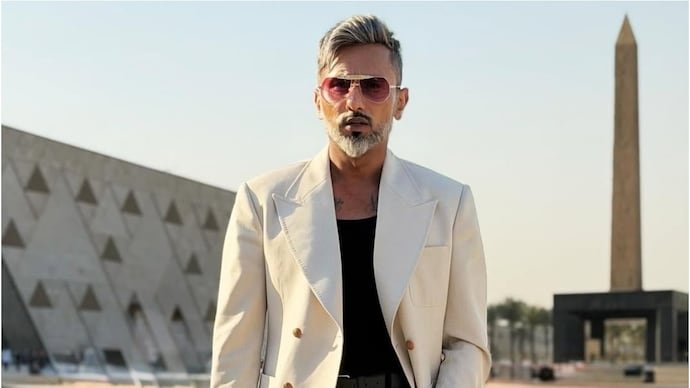
Indian rapper and music producer Honey Singh has made one of the most personal revelations of his career, opening up about the devastating mental and physical impact of bipolar disorder, addiction, and years of heavy medication. During a deeply emotional podcast appearance, the singer admitted that he is completely bald and currently wears a wig after prolonged treatment caused severe hair loss.
The revelation has sparked widespread conversation online, not only because of Honey Singh’s celebrity status but because it highlights a much larger issue often ignored in public discussions: the hidden physical and emotional consequences of Mental Health struggles.
For years, fans speculated about Honey Singh’s sudden disappearance from the entertainment industry at the peak of his success. Rumours ranged from burnout to personal disputes and addiction. Now, the singer has provided perhaps the clearest and most vulnerable explanation yet of what really happened behind the scenes.
His story is not just about fame lost and regained. It is also about mental illness, social isolation, medication side effects, celebrity pressure, and the long road toward recovery.
Honey Singh’s Rise to Stardom Before His Sudden Disappearance
Before stepping away from public life, Honey Singh was one of India’s biggest music sensations. During the early 2010s, he dominated Bollywood charts, club music, and youth culture with back-to-back hits.
Tracks like Brown Rang, Angreji Beat, Blue Eyes, and Desi Kalakaar transformed him into one of the most commercially successful music artists in India.
At the height of his fame, Honey Singh was simultaneously handling:
- International tours
- Film music projects
- Live concerts
- Television appearances
- Brand endorsements
- Reality show commitments
The pressure of maintaining that level of visibility and productivity eventually became overwhelming.
According to Honey Singh, the mental breakdown began while he was balancing a music reality show in Mumbai and an international concert tour with Shah Rukh Khan.
The Beginning of Bipolar Disorder and Severe Anxiety
Honey Singh described the early phase of his condition as terrifying and confusing. He revealed that overwhelming fear and paranoia began taking control during the tour.
The singer admitted that his anxiety became so severe that he shaved half his head in an attempt to avoid performing on stage.
“People were not understanding what I was going through,” he explained during the interview.
The incident highlights a common issue faced by individuals dealing with serious mental health conditions: symptoms are often misunderstood as mood swings, arrogance, or lack of professionalism instead of medical distress.
Eventually, Honey Singh left the tour midway and completely withdrew from public life.
Seven Years of Isolation From Public Life
One of the most shocking aspects of Honey Singh’s revelation was the extent of his isolation.
The singer said he remained largely confined inside his house for nearly seven years because he did not want fans to see him in a vulnerable condition.
He explained that during the darkest period of his illness:
- He avoided social interactions
- He rarely stepped out of his room
- He stopped watching television
- He disconnected from the internet
- He ignored phone calls and messages
- He isolated himself even from close friends
This level of withdrawal is often associated with severe depressive episodes and psychiatric distress.
His comments also reveal how mental illness can completely alter a person’s relationship with fame, attention, and public identity.
“This Is Fake Hair”: Honey Singh Opens Up About Hair Loss
One of the most talked-about moments from the interview came when Honey Singh openly admitted that he had lost all his hair because of prolonged medication and health complications.
“This is fake hair; I am totally bald. This is a wig,” he said candidly.
The statement immediately drew attention because celebrity image and appearance are often heavily scrutinised in the entertainment industry.
Hair loss linked to psychiatric medication is not widely discussed publicly, despite being a known side effect of certain long-term treatments.
Honey Singh’s openness about wearing a wig has been viewed by many fans as an unusually honest moment in an industry where image management is often carefully controlled.
The Physical Impact of Bipolar Disorder Medication
Honey Singh also revealed that medication caused major physical changes beyond hair loss.
According to the singer, he gained significant weight during treatment and reached around 105 kilograms.
Mental health experts have long acknowledged that certain psychiatric medications can contribute to:
- Rapid weight gain
- Hair thinning or loss
- Fatigue
- Hormonal changes
- Sleep disturbances
- Reduced physical energy
For public figures whose careers depend heavily on appearance and performance, these side effects can create additional emotional stress.
Honey Singh’s comments have therefore triggered wider conversations about the need for empathy toward people undergoing psychiatric treatment.
Understanding Bipolar Disorder Beyond Celebrity Headlines
Bipolar disorder is a mental health condition characterised by extreme mood fluctuations that can include depressive episodes and periods of unusually elevated mood or energy.
These episodes can significantly affect:
- Decision-making
- Sleep patterns
- Relationships
- Professional functioning
- Emotional stability
- Perception of reality
In severe cases, individuals may experience paranoia, delusions, or detachment from reality.
Honey Singh revealed that during 2018 and 2019, he believed he was already dead and described feeling trapped “between heaven and hell.”
Such experiences underline the seriousness of untreated or poorly managed psychiatric conditions.
| Common Symptoms of Bipolar Disorder | Possible Impact |
|---|---|
| Extreme mood swings | Emotional instability |
| Paranoia or delusions | Fear and social withdrawal |
| Depressive episodes | Isolation and hopelessness |
| Manic behaviour | Impulsive decision-making |
| Sleep disruption | Physical exhaustion |
The Hidden Link Between Fame and Mental Health Struggles
Honey Singh’s story also reflects a growing global conversation about the psychological pressures faced by celebrities.
Public figures often operate under extreme expectations involving:
- Constant visibility
- Commercial pressure
- Public scrutiny
- Social Media judgment
- Demand for continuous productivity
Unlike ordinary individuals, celebrities dealing with mental illness frequently experience fear that vulnerability could damage their careers or public image.
This often delays treatment and intensifies isolation.
Honey Singh’s disappearance from the music industry for years became the subject of widespread speculation precisely because mental health discussions remained relatively uncommon in mainstream Indian entertainment at the time.
Substance Abuse and Long-Term Recovery
The singer also acknowledged that substance abuse worsened his condition and continued affecting him even after he quit drugs in 2014.
Recovery from addiction and psychiatric illness simultaneously can be particularly challenging because both conditions often influence each other.
Mental health professionals frequently describe dual recovery as a slow and emotionally exhausting process requiring:
- Medical supervision
- Medication management
- Psychological therapy
- Lifestyle adjustments
- Strong support systems
Honey Singh admitted that progress was slow and frustrating for years.
However, he credited a change in Doctors and treatment plans for eventually helping him recover.
The Turning Point in Honey Singh’s Recovery
According to the singer, his recovery began improving after consulting a new doctor who adjusted his medication.
He claimed he started noticing positive changes within weeks.
This aspect of his story is important because mental health treatment often requires long-term experimentation and personalised medical care.
Finding the right combination of therapy, medication, and lifestyle support can take years for many patients.
Honey Singh’s experience also highlights the importance of:
- Seeking professional psychiatric help
- Reassessing treatment if progress stalls
- Maintaining long-term follow-up care
- Avoiding self-medication
How Mental Health Conversations in India Are Changing
When Honey Singh first disappeared from the public spotlight, discussions around bipolar disorder and psychiatric treatment were far less common in Indian mainstream media.
Over the last decade, however, India has seen gradual changes in mental health awareness.
Several public figures, Athletes, actors, and musicians have openly discussed:
- Depression
- Anxiety disorders
- Addiction recovery
- Panic attacks
- Therapy and medication
This growing openness has helped reduce some stigma surrounding mental illness, especially among younger audiences.
Honey Singh’s candid admission about baldness, wigs, and medication side effects adds another layer to that conversation because it addresses the physical consequences of psychiatric treatment a topic still rarely discussed publicly.
From Isolation to Comeback: Honey Singh’s Return
After years away from mainstream entertainment, Honey Singh gradually returned to music and live performances.
His comeback projects have included:
- Honey Singh 3.0
- Glory
- 51 Glorious Days
- My Story World Tour
He also revisited his personal struggles in the Netflix documentary Yo Yo Honey Singh: Famous, where he discussed addiction, fame, mental health, and recovery.
The comeback represents not just a return to entertainment but also a rebuilding of public confidence and personal stability after years of psychological distress.
Why Honey Singh’s Honesty Resonated With Fans
The public reaction to Honey Singh’s interview has been largely sympathetic because many viewers saw unusual honesty in his comments.
In celebrity culture, image management often dominates public communication. Admissions involving wigs, psychiatric medication, paranoia, and emotional breakdowns are relatively rare.
Fans across social media praised the singer for openly discussing:
- Mental illness
- Medication side effects
- Addiction recovery
- Fear and vulnerability
- The realities behind fame
For many listeners, the interview transformed Honey Singh from merely a pop culture figure into someone representing resilience and survival.
Conclusion
Honey Singh’s revelation about being bald and wearing a wig may have grabbed headlines, but the deeper story is about mental health, recovery, and the hidden cost of fame.
His seven-year withdrawal from public life reflects how serious psychiatric conditions can profoundly affect not only careers but also identity, confidence, and relationships.
By openly discussing bipolar disorder, medication side effects, paranoia, addiction, and emotional collapse, Honey Singh has contributed to a growing conversation that India’s entertainment industry once avoided almost entirely.
Today, his story stands as both a cautionary tale about the pressures of fame and a reminder that recovery from mental illness is possible, even after years of darkness, isolation, and personal struggle.
For breaking news and live news updates, like us on Facebook or follow us on Twitter and Instagram. Read more on Latest Entertainment on thefoxdaily.com.






COMMENTS 0