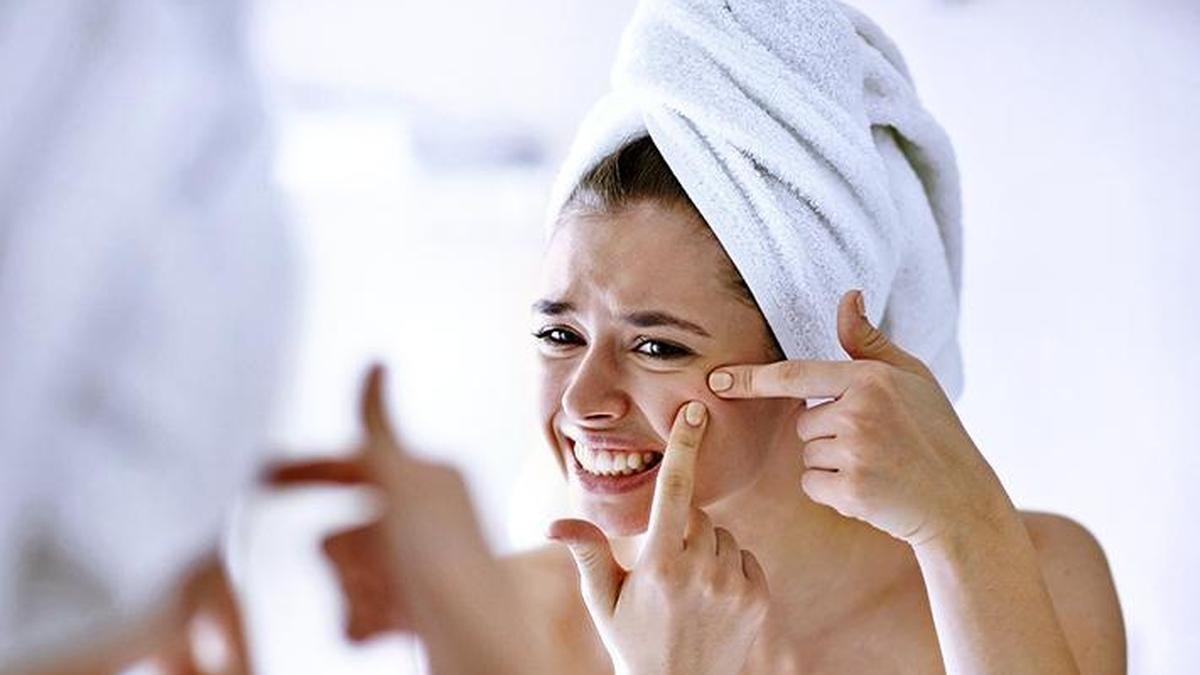
Can stress cause acne? Yes, psychological stress can contribute to acne flare-ups or make existing acne worse, but the relationship is more complicated than the familiar idea that “stress causes pimples.” Acne develops through several interacting processes involving excess oil production, blocked hair follicles, inflammation and changes in the skin microbiome. Stress can influence some of these pathways while also changing sleep, diet, skincare habits and adherence to treatment.
That distinction matters. Someone who suddenly develops acne during examinations, a demanding period at work or an emotionally difficult phase may notice a genuine connection between stress and their skin. But stress is rarely the only explanation, particularly when acne is persistent, severe, painful or associated with other symptoms.
Acne vulgaris is one of the world’s most common skin conditions. It affects approximately 9.4% of the global population and is particularly prevalent among adolescents and young adults. In younger age groups, estimates have placed prevalence as high as 85% to 90%.
The more useful question, therefore, is not simply whether stress causes acne. It is how stress can influence an already acne-prone skin environment and when a breakout may signal something else.
How stress and acne are connected
Acne begins inside the pilosebaceous unit — the structure consisting of a hair follicle and its associated sebaceous gland. Several processes can combine to produce a pimple.
- Increased sebum production: Sebaceous glands produce oil, and hormonal signals can influence how much is produced.
- Follicular plugging: Dead skin cells can accumulate and obstruct the follicle.
- Microbial changes: The environment inside blocked follicles can favour the proliferation of acne-associated bacteria.
- Inflammation: The body’s immune response contributes to redness, swelling and the formation of inflammatory lesions.
Stress can interact with several of these processes rather than creating an entirely new disease mechanism.
When a person experiences psychological stress, the body activates interconnected neuroendocrine and stress-response systems. These responses can influence hormones, immune signalling and the skin’s physiological environment.
This is one reason dermatologists increasingly view acne through a skin-brain connection rather than treating the skin as an organ completely isolated from psychological wellbeing.
Stress hormones may influence oil production
One of the most frequently discussed mechanisms involves the body’s stress response.
During psychological stress, the hypothalamic-pituitary-adrenal axis becomes activated and contributes to the production of stress-related hormones, including cortisol. Stress signalling can also interact with other hormonal pathways involved in sebaceous-gland activity.
The sebaceous glands are not simply passive oil-producing structures. They respond to hormonal and inflammatory signals and participate in the skin’s immune environment.
For people who are already susceptible to acne, changes in these signals may create conditions that make breakouts more likely.
However, this should not be interpreted as meaning that every stressful day automatically increases facial oil and produces a pimple. Acne biology varies substantially between individuals.
Inflammation is another important link
Stress does not only affect hormones. It can also influence immune and inflammatory responses.
Acne is fundamentally an inflammatory skin condition, particularly when lesions become red, swollen or painful. Inflammatory signalling around blocked follicles contributes to the progression from relatively small clogged pores to more noticeable acne lesions.
Psychological stress can alter inflammatory pathways and the skin’s response to environmental and internal signals. In someone whose acne is already active, this may contribute to worsening inflammation.
This helps explain why a person may notice that an existing breakout appears more severe during a stressful period rather than developing acne from scratch after a single stressful event.
The skin barrier may also be affected by stress
The skin functions as a protective barrier, regulating water loss and helping defend the body against environmental exposures. Psychological stress can influence barrier function and recovery processes.
When the barrier becomes disrupted, the skin may become more reactive, dry or irritated. This can complicate acne management because people sometimes respond to breakouts by repeatedly washing, scrubbing or applying multiple aggressive products.
The result can become a vicious cycle:
Stress → skin changes → more breakouts → anxiety about appearance → more stress → disrupted skincare habits.
Breaking that cycle requires more than simply buying another acne product.
Stress can indirectly worsen acne through sleep
One of the strongest practical connections between stress and acne may be behavioural rather than purely hormonal.
High stress frequently disrupts sleep. People may sleep fewer hours, go to bed later or experience poorer sleep quality.
Sleep is important for immune regulation, hormonal balance and tissue repair. Persistent sleep disruption can therefore create a less favourable environment for skin health.
This does not mean that one late night causes acne. Acne is a chronic, multifactorial condition, and occasional changes in sleep are unlikely to explain persistent disease. But prolonged sleep disturbance can become one component of a broader pattern that coincides with worsening skin.
Stress can change eating patterns too
Another indirect pathway involves diet.
People under pressure may skip meals, eat at irregular times or rely more heavily on highly processed foods. Dietary patterns have been investigated in relation to acne, although the relationship is complex and should not be reduced to the idea that one particular food “causes” pimples.
Dietary changes also vary between individuals. A food that appears associated with acne in one person’s experience may not have the same effect on someone else.
For that reason, extreme food restriction is rarely a sensible first response to acne. A balanced eating pattern is generally more useful than attempting to identify a single villain on the plate.
Stress may make acne treatment harder to follow
There is another overlooked factor: treatment adherence.
Acne therapies often require consistent use over time. Results may not appear immediately, and some treatments can initially cause dryness or irritation.
During stressful periods, people may forget medications, abandon skincare routines, sleep poorly or repeatedly switch products because they want faster results.
That inconsistency can make acne appear resistant to treatment even when the underlying therapy might have worked with regular use.
Stress can therefore influence acne in two ways at once: it may affect biological pathways involved in the disease while simultaneously making effective treatment more difficult to maintain.
Why not every stress-related breakout is actually caused by stress
Timing can be misleading.
Suppose someone experiences a stressful month and develops acne during the same period. It is tempting to conclude that stress caused the entire outbreak.
But several other factors may have changed at the same time.
- Hormonal fluctuations may have occurred.
- Sleep may have become irregular.
- A new cosmetic or skincare product may have been introduced.
- Medication use may have changed.
- Dietary habits may have shifted.
- Existing acne treatment may have been stopped.
- An underlying hormonal or metabolic disorder may be contributing.
That is why dermatologists caution against attributing persistent acne exclusively to psychological stress.
Hormonal acne needs a different level of attention
Hormonal factors are particularly important when acne follows a persistent or characteristic pattern.
Some people experience breakouts that fluctuate with hormonal changes. In women, acne may sometimes occur alongside other signs of hormonal imbalance.
Persistent acne accompanied by symptoms such as irregular menstrual cycles, increased facial or body hair, scalp hair thinning or other hormonal changes may warrant medical evaluation.
Underlying conditions and medications can also influence acne.
The important principle is simple: stress should not become a convenient explanation that delays investigation of another cause.
What happens when stress and acne reinforce each other?
The relationship between acne and psychological wellbeing can run in both directions.
Stress may aggravate acne, but acne itself can become a source of stress.
Visible lesions on the face can affect confidence, social interaction and body image. Adolescents and young adults may feel particularly self-conscious about their appearance during a period when peer perception already carries considerable emotional weight.
This can produce a feedback loop:
Stress can worsen acne, acne can increase distress, and increased distress can make stress-management more difficult.
Recognising this cycle is important because treating the skin and supporting psychological wellbeing are not competing approaches. They can complement each other.
Can reducing stress clear acne?
Stress management may help reduce one contributor to acne, but it should not be presented as a standalone cure.
Activities such as regular physical activity, adequate sleep, relaxation practices, yoga, breathing exercises, meditation or simply maintaining structured routines may help people manage psychological stress.
These strategies can also indirectly support acne care by improving sleep and making it easier to maintain consistent treatment.
But someone with moderate or severe acne should not be told to “just relax.” That approach oversimplifies a genuine inflammatory skin disease.
A better strategy is to treat stress management as one part of comprehensive acne care.
What actually helps manage stress-related breakouts?
A practical approach begins with consistency rather than complexity.
- Maintain a gentle skincare routine: Avoid repeatedly scrubbing or irritating acne-prone skin.
- Use evidence-based acne treatment: Appropriate treatment depends on the type and severity of acne.
- Protect sleep: Aim for a regular sleep schedule rather than compensating for chronic sleep deprivation.
- Manage stress deliberately: Use activities that are realistic enough to maintain over time.
- Avoid constantly changing products: Rapidly switching between treatments can irritate the skin and make it difficult to assess what works.
- Track patterns: Recording major breakouts alongside sleep, stress and menstrual cycles may help identify recurring triggers.
- Seek professional advice when necessary: Persistent, painful or scarring acne deserves medical assessment.
Does touching your face make stress acne worse?
Frequent touching or picking can aggravate acne, regardless of whether stress triggered the original breakout.
Stress can make this behaviour more likely. Some people unconsciously touch, squeeze or pick their skin when anxious or concentrating.
Picking inflammatory lesions can increase irritation and may raise the risk of persistent marks or scarring.
The better strategy is to address the underlying acne rather than repeatedly trying to remove individual pimples manually.
Why aggressive skincare can backfire
When acne suddenly worsens, people often respond by washing their face more frequently or combining several strong products.
More treatment, however, does not necessarily mean better treatment.
Excessive cleansing, harsh scrubs and multiple irritating active ingredients can compromise the skin barrier and cause redness or dryness. This can make the skin feel worse without addressing the biological drivers of acne.
A simple, consistent routine is often easier to maintain and easier for a dermatologist to evaluate.
When should acne be medically evaluated?
Occasional pimples do not necessarily require specialist care. Persistent or worsening acne is different.
Medical evaluation is particularly important when acne is:
- deep, painful or cyst-like;
- leaving scars or persistent dark marks;
- spreading or repeatedly returning despite basic care;
- having a significant effect on confidence or daily life;
- associated with other possible hormonal symptoms; or
- appearing after starting a medication that may influence the skin.
Doctors can determine whether the problem is conventional acne, another acne-like condition or a manifestation of an underlying disorder.
Stress acne vs other common acne triggers
| Potential factor | How it may influence acne | What to consider |
|---|---|---|
| Psychological stress | May influence hormonal, inflammatory and behavioural pathways | Often acts as an aggravating factor rather than the sole cause |
| Hormonal changes | Can affect sebum production and follicular activity | Persistent patterns may require medical evaluation |
| Skincare products | Some products may contribute to pore blockage or irritation | Review recent product changes |
| Medications | Some medicines can trigger acneiform eruptions | Discuss medication-related changes with a clinician |
| Sleep disruption | Can interact with stress and inflammatory regulation | Look for persistent sleep problems rather than one poor night |
| Picking or squeezing | Increases irritation and may worsen marks or scarring | Avoid manipulating active lesions |
The bigger lesson: acne is a skin disease, not a stress failure
One of the most damaging misconceptions about stress acne is that a person should be able to control their skin simply by becoming calmer.
Psychological stress is not a personal failure, and acne is not evidence that someone is handling life badly.
The biology is considerably more complicated.
Stress can influence hormonal signalling, inflammatory pathways, sleep, diet and treatment adherence. Those effects can interact with an individual’s underlying susceptibility to acne. But the same visible breakout can have several contributing causes.
This is why a balanced approach is more useful than either extreme: dismissing the stress connection entirely or blaming every pimple on anxiety.
Prediction: personalised acne care will increasingly consider the whole patient
The future of acne management is likely to move further away from the idea that every patient needs exactly the same routine.
As understanding of hormonal signalling, inflammation, skin-barrier biology, lifestyle factors and individual treatment responses improves, acne care can become increasingly personalised.
The practical implication is already clear: dermatologists need to consider not only what is happening on the skin but also the circumstances surrounding the patient.
For one person, hormonal changes may dominate. For another, medication may be relevant. For someone else, stress, poor sleep and inconsistent treatment may amplify an existing tendency towards acne.
Understanding these interactions can produce more realistic treatment plans than searching for a single cause.
Conclusion: Can stress cause acne?
Stress can worsen acne, but it is rarely the whole story. Psychological stress can influence hormonal and inflammatory pathways while also disrupting sleep, changing behaviour and making consistent treatment harder. These effects can aggravate acne in people who are already susceptible.
At the same time, acne is a multifactorial disease involving oil production, follicular blockage, microbial changes and inflammation. Hormonal disorders, metabolic abnormalities, medications and other underlying factors may also contribute and should be considered when acne is persistent or unusual.
The most useful response to a stress-related breakout is therefore not to panic or blame yourself. Maintain a gentle and consistent skincare routine, address stress and sleep where possible, avoid picking and seek professional evaluation when acne is persistent, severe or associated with other symptoms.
Stress management can support acne treatment. It should complement evidence-based acne care, not replace it.
For breaking news and live news updates, like us on Facebook or follow us on Twitter and Instagram. Read more on Latest Health on thefoxdaily.com.


COMMENTS 0