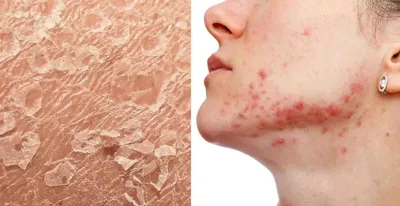
Long working hours, inadequate sleep, prolonged screen exposure and everyday stress can affect more than your mood and energy levels. They may also influence how your skin looks and feels, contributing to dullness, dryness, dark circles, puffiness, acne breakouts and increased skin sensitivity.
However, dermatologists caution that these visible changes should not automatically be interpreted as signs of chronic stress or burnout. Skin problems can have several causes, and appearance alone cannot confirm whether someone is experiencing prolonged psychological stress.
In an article published by Daily Excelsior on October 2, 2026, Dr Mehak Gupta, Assistant Professor in the Department of Dermatology at NIIMS Medical College and Hospital, Greater Noida, explained how stress, sleep and lifestyle habits can influence Skin Health.
“Chronic stress can affect hormones, sleep and inflammation, which may become visible on the skin. Some of the common changes we notice are dull or dry skin, dark circles, visible fatigue, acne breakouts and increased sensitivity,” Dr Gupta said.
How Can Chronic Stress Affect Your Skin?
Stress triggers a range of responses in the body, involving hormones, the nervous system and immune activity. When stress becomes prolonged, these responses may affect sleep, daily habits and certain processes involved in maintaining healthy skin.
Stress may also aggravate existing skin conditions in susceptible individuals. People who are prone to acne, eczema or other inflammatory skin problems may notice flare-ups during particularly stressful periods.
However, the relationship between stress and skin health is complex. Not everyone experiences the same changes, and symptoms such as dryness or acne may have causes unrelated to stress.
1. Dull or Dry Skin
Skin may appear dull or feel dry when sleep is inadequate, hydration is insufficient or a person’s usual skincare routine is disrupted. Stress can contribute indirectly by affecting sleep patterns, eating habits and the consistency of daily self-care.
Dryness can also result from environmental conditions, harsh cleansers, excessive washing, certain medications or underlying skin conditions. Persistent dryness should therefore not automatically be attributed to emotional stress.
Using a gentle cleanser, applying a suitable moisturiser and avoiding products that irritate the skin may help support the skin barrier. If dryness persists or becomes uncomfortable, a dermatologist can help identify the underlying cause.
2. Dark Circles and Under-Eye Puffiness
Dark circles and puffiness can become more noticeable after poor sleep or during periods of fatigue. The skin around the eyes is relatively thin, making underlying blood vessels and changes in pigmentation more visible.
Under-eye darkness can also be influenced by genetics, ageing, allergies, pigmentation and facial anatomy. Puffiness may occur because of fluid retention, irritation or other factors.
Improving sleep habits and avoiding eye rubbing may help in some cases, but persistent dark circles are not reliable evidence of chronic stress. Their appearance alone cannot establish whether a person is experiencing burnout.
3. Acne Breakouts and Increased Skin Sensitivity
Some people notice more frequent acne breakouts during stressful periods. Stress may influence hormonal signalling and inflammatory responses, potentially aggravating acne in people who are already susceptible to it.
Stress may also contribute to habits that affect the skin, such as skipping skincare steps, touching the face frequently or sleeping poorly. These factors can overlap and make it difficult to identify a single cause of a breakout.
Increased sensitivity, redness or irritation may also occur during stressful periods, particularly in people with an existing skin condition. However, these symptoms can also result from unsuitable skincare products, allergies, environmental exposure or other medical issues.
People experiencing persistent acne or irritation should consider professional advice rather than relying solely on cosmetic products or assuming stress is responsible.
4. Fine Lines and Visible Signs of Fatigue
Fine lines can appear more noticeable when skin is dry or when someone is tired. Facial expressions may also contribute to expression lines over time.
Nevertheless, skin ageing and changes in elasticity are influenced by several factors, including age, genetics, ultraviolet radiation and smoking. Chronic stress may affect general health and daily habits, but fine lines alone cannot be used to determine whether someone is experiencing prolonged stress.
Regular moisturising and sun protection can help support skin health. A broad-spectrum sunscreen, used according to its directions, can help protect against ultraviolet exposure, which contributes to premature skin ageing.
How Sleep Affects Skin Recovery
Sleep supports several processes involved in the body’s maintenance and recovery. Inadequate sleep may leave the face looking tired and can contribute to changes in skin hydration and appearance.
Prolonged stress can also interfere with sleep, creating a cycle in which fatigue affects daily functioning and makes it harder to maintain healthy routines. People may notice more visible under-eye darkness, puffiness or dullness during these periods.
Maintaining a regular sleep schedule, creating a relaxing bedtime routine and limiting stimulating activities close to bedtime may help improve sleep quality. Persistent sleep difficulties, particularly when accompanied by ongoing anxiety or exhaustion, may warrant discussion with a healthcare professional.
Everyday Lifestyle Factors That Can Affect Skin Health
Stress is only one possible contributor to changes in the skin. Several everyday factors can influence its appearance and condition, including:
- Inadequate sleep: May contribute to a tired appearance and make existing under-eye concerns more noticeable.
- Dehydration: Can contribute to discomfort and make dry skin appear more pronounced.
- Poor nutrition: An unbalanced diet may affect overall health and the availability of nutrients needed for normal skin function.
- Pollution and environmental exposure: May contribute to irritation and other skin concerns in some people.
- Prolonged sun exposure: Ultraviolet radiation can contribute to pigmentation changes, wrinkles and premature skin ageing.
- Smoking: Can damage skin structure and contribute to premature ageing.
- Inconsistent skincare: Harsh cleansers, excessive exfoliation or unsuitable products may irritate the skin barrier.
Because these factors often overlap, visible skin changes should be considered in the context of a person’s overall health, habits and medical history.
When Should You Consult a Dermatologist?
Temporary changes following a few nights of poor sleep may improve with adequate rest and a return to regular routines. However, persistent or worsening skin problems deserve attention.
Consider consulting a dermatologist if you experience:
- Dryness, itching or irritation that does not improve with gentle skincare.
- Persistent or worsening acne breakouts.
- New or unexplained pigmentation changes.
- Ongoing redness, swelling or skin sensitivity.
- Skin symptoms that interfere with sleep or everyday activities.
- Changes that continue for several weeks despite reasonable lifestyle adjustments.
A dermatologist can assess possible causes and recommend appropriate treatment. Sudden or severe symptoms, particularly swelling accompanied by breathing difficulty, require urgent medical attention.
If ongoing stress is affecting sleep, work or daily life, it may also be helpful to speak with a qualified healthcare or mental health professional. Skin appearance alone cannot diagnose chronic stress, anxiety or burnout.
Can Skincare Products Reverse the Effects of Stress?
Skincare can help manage certain visible concerns, but it cannot replace adequate sleep, stress management or appropriate medical care. Dr Gupta emphasised that cosmetic and dermatological treatments should not be viewed as substitutes for healthy lifestyle habits.
A basic routine can include a gentle cleanser, a moisturiser suited to your skin type and broad-spectrum sunscreen during the day. People with acne, eczema or persistent sensitivity may need a more specific routine recommended by a dermatologist.
Introducing too many active ingredients or frequently changing products can irritate the skin and make it harder to determine what is helping. A simple, consistent approach is often a sensible starting point.
“Once these basic factors are addressed, dermatological treatment can be considered where required,” Dr Gupta said.
Healthy Habits That Support Skin and Overall Well-Being
Supporting skin health begins with habits that benefit the body as a whole. Practical steps include:
- Prioritise sleep: Maintain a consistent bedtime and aim for sufficient, good-quality rest.
- Stay hydrated: Drink fluids regularly according to your needs and activity level.
- Eat a balanced diet: Include a variety of vegetables, fruits, whole grains, protein sources and healthy fats.
- Manage stress: Consider regular physical activity, relaxation exercises, time outdoors or other healthy coping strategies.
- Protect your skin from the sun: Use sunscreen and other appropriate sun-protection measures.
- Keep skincare simple: Choose products suited to your skin and avoid unnecessary irritation.
- Seek professional help when needed: Persistent skin symptoms or ongoing emotional distress deserve appropriate assessment.
Conclusion
Chronic stress, poor sleep and lifestyle changes may contribute to visible skin concerns such as dullness, dryness, dark circles, puffiness, acne and increased sensitivity. However, these symptoms are not specific to stress and cannot independently confirm burnout or another mental health concern.
As Dr Mehak Gupta explains, healthy habits—including adequate sleep, balanced nutrition, hydration, sun protection and consistent skincare—provide an important foundation for skin health. Dermatological treatment may be useful when particular conditions require medical attention.
The key is to look beyond appearance. Persistent skin changes should be assessed on their own merits, while ongoing stress and sleep problems deserve attention as part of overall well-being.
For breaking news and live news updates, like us on Facebook or follow us on Twitter and Instagram. Read more on Latest Health on thefoxdaily.com.



COMMENTS 0