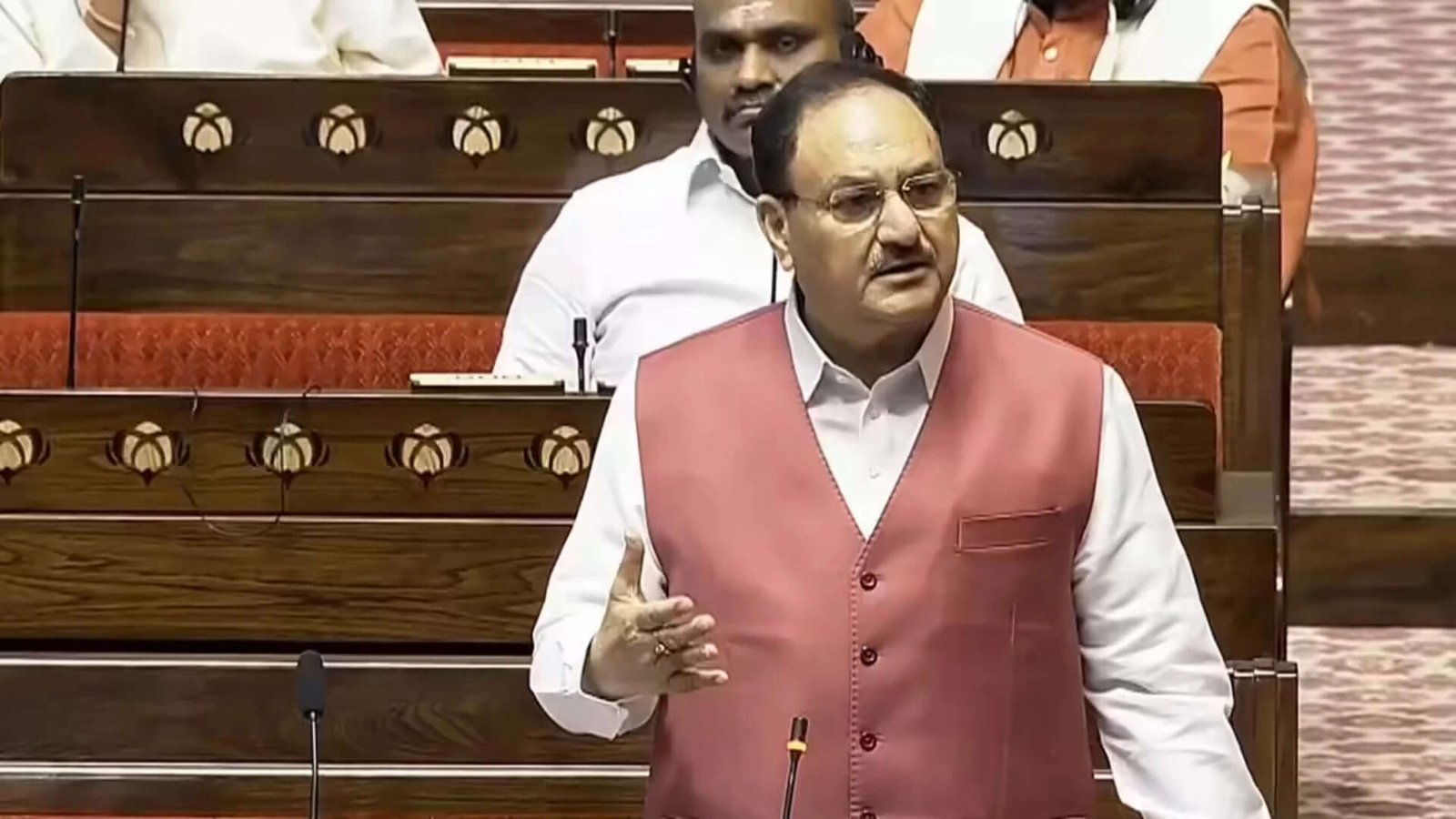
The Union government has clarified that there are no reports of a nationwide shortage of anti-rabies vaccines in India. Responding in the Lok Sabha, Union Health Minister J.P. Nadda addressed concerns about vaccine availability and assured that the situation is under control.
According to the government, while isolated supply issues may arise at local levels, there is no evidence of a widespread or systemic shortage across the country.
What the Government Said
In his statement, the Health Minister emphasised that:
- No nationwide shortage has been officially reported
- States are responsible for procurement and distribution
- Any local shortages are being managed at the state level
This clarification comes amid concerns raised in various regions about the availability of life-saving anti-rabies vaccines.
Why Anti-Rabies Vaccines Are Critical
Rabies is a fatal viral disease if not treated promptly. Vaccination after exposure is the most effective way to prevent infection.
| Aspect | Details |
|---|---|
| Disease | Rabies (viral infection) |
| Transmission | Animal bites (commonly dogs) |
| Prevention | Post-exposure vaccination |
| Urgency | Immediate treatment required |
Because of its severity, even temporary shortages at local levels can create public concern.
Understanding “No Nationwide Shortage”
The government’s statement highlights an important distinction:
| Term | Meaning |
|---|---|
| Nationwide shortage | Supply issue affecting the entire country |
| Local shortage | Temporary or regional supply gaps |
While some areas may experience temporary supply disruptions, these do not indicate a broader national crisis.
Role of States in Vaccine Supply
Healthcare is primarily a state subject in India, meaning state governments handle procurement and distribution of vaccines, including anti-rabies doses.
This decentralised system means:
- Availability may vary from one state to another
- States must manage inventory and demand locally
- The Centre provides guidance and support when needed
Public Concerns and Ground Reality
Despite the government’s assurance, reports from certain regions have highlighted:
- Delays in vaccine availability
- Limited stock in public hospitals
- Increased demand due to stray animal bites
These issues often lead to the perception of a broader shortage, even when supply exists elsewhere.
The Bigger Insight: Supply vs Accessibility
The situation points to a larger healthcare challenge:
Availability at the national level does not always guarantee accessibility at the local level.
Key factors influencing this gap include:
- Distribution inefficiencies
- Sudden spikes in demand
- Logistical constraints in rural areas
What This Means for Citizens
For individuals, the key takeaway is awareness and timely action:
- Seek medical help immediately after an animal bite
- Check availability at multiple healthcare centres if needed
- Follow the full vaccination schedule
Prompt treatment remains the most effective defence against rabies.
Conclusion: No Crisis, But Vigilance Needed
While the government has confirmed that there is no nationwide shortage of anti-rabies vaccines, the issue underscores the importance of efficient distribution and local preparedness.
Ensuring consistent availability across all regions will be key to maintaining public confidence and preventing avoidable health risks.
In public health, the goal is not just supply—but timely access where it matters most.
For breaking news and live news updates, like us on Facebook or follow us on Twitter and Instagram. Read more on Latest Health on thefoxdaily.com.




COMMENTS 0