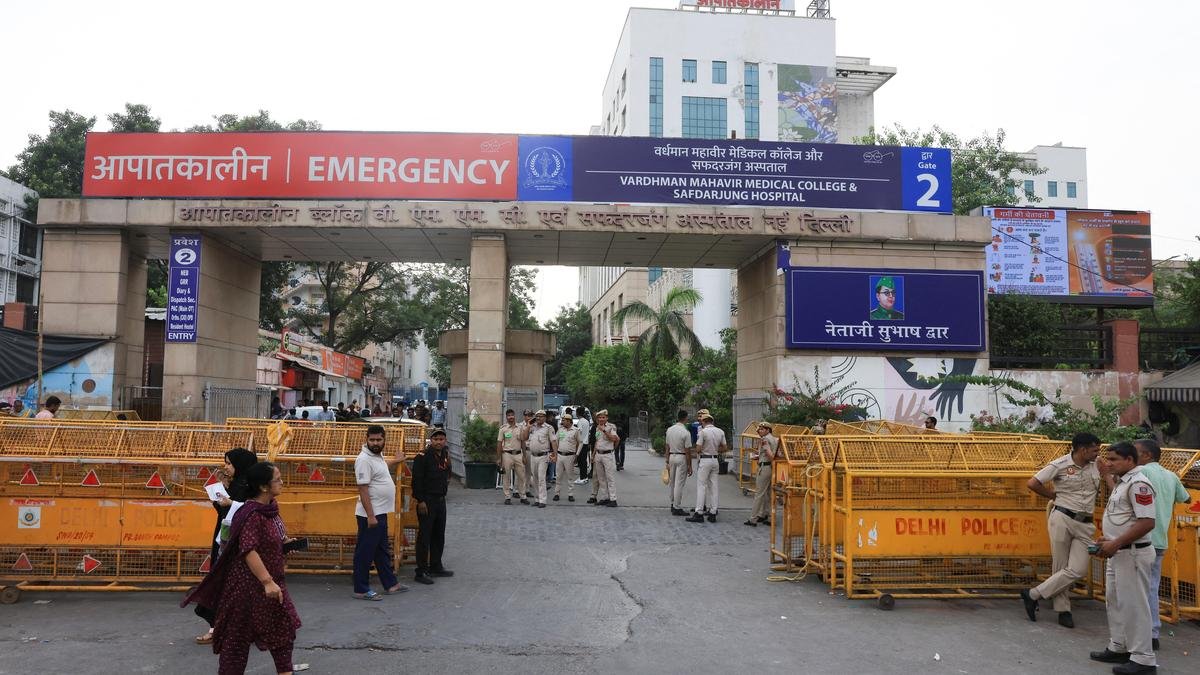
In a letter addressed to the President of India, the resident doctors emphasized that public healthcare institutions must remain independent, patient-centered, and guided solely by medical necessity. They argued that any perception of hospitals being used to facilitate non-medical or administrative objectives risks undermining public trust in healthcare professionals and institutions.
The issue has reignited a broader debate about patient rights, medical ethics, hospital autonomy, and the balance between public safety and individual liberty in healthcare settings.
Why the Resident Doctors Raised Concern
The Resident Doctors’ Association stated that hospitals should be viewed as institutions of healing where every individual is treated first and foremost as a patient.
According to the doctors, while decisions regarding hospitalization should always depend on independent clinical judgment, restrictions placed on patients must comply with legal safeguards, remain proportionate, and never compromise medical ethics or constitutional rights.
The association stressed that healthcare institutions should not create the perception that they are functioning as places of detention unless such restrictions are explicitly authorized by law and implemented through due legal process.
The Importance of Patient Autonomy
Patient autonomy is one of the fundamental principles of modern medical ethics. It recognizes an individual’s right to participate in decisions about their own healthcare, including accepting or refusing medical treatment when legally competent to do so.
Healthcare professionals have a duty to:
- Respect informed patient decisions.
- Provide complete medical information.
- Maintain confidentiality.
- Protect patient dignity.
- Deliver care without discrimination.
- Act in the patient’s best medical interests.
Doctors emphasized that these principles should remain unchanged regardless of a patient’s social, political, or legal circumstances.
Why Hospital Independence Matters
Hospitals function most effectively when clinical decisions remain independent of external influence.
Medical professionals are expected to make decisions based on:
- Clinical evidence.
- Patient safety.
- Medical necessity.
- Professional ethics.
- Established treatment guidelines.
Maintaining institutional independence helps preserve public confidence in healthcare systems and ensures that patients receive unbiased medical care.
Concerns Raised About Hospital Operations
The resident doctors expressed concern over reports of heightened security arrangements within the hospital, including restricted access to certain areas and increased deployment of security personnel.
According to the association, if such measures interfere with routine hospital services, delay patient care, or affect access to healthcare, they deserve careful independent review.
Hospitals must continue functioning efficiently for all patients, even during high-profile cases.
Medical Ethics in Sensitive Situations
Medical ethics apply equally to every patient, regardless of the surrounding circumstances.
Core ethical principles include:
| Ethical Principle | Meaning in Clinical Practice |
|---|---|
| Autonomy | Respecting patients’ informed choices |
| Beneficence | Acting in the patient’s best interests |
| Non-maleficence | Avoiding unnecessary harm |
| Justice | Providing fair and equitable treatment |
| Confidentiality | Protecting patient privacy |
These ethical standards form the foundation of trust between patients and healthcare providers.
Hospitals Are Not Places of Detention
The doctors argued that hospitals should never be perceived as detention facilities unless specific legal provisions require otherwise.
Patients admitted to healthcare facilities should experience an environment focused on:
- Treatment.
- Recovery.
- Compassion.
- Privacy.
- Safety.
- Professional medical care.
Maintaining this environment is essential for preserving confidence in public healthcare institutions.
Why Public Trust in Healthcare Is Critical
Trust is one of the most valuable assets of any healthcare system.
Patients seek medical care believing that doctors will prioritize their health above all other considerations.
If hospitals are perceived as serving non-medical functions, some individuals may become reluctant to seek timely treatment, particularly during emergencies.
Maintaining clear boundaries between healthcare delivery and administrative functions helps protect this trust.
Potential Impact on Healthcare Workers
The Resident Doctors’ Association also warned that situations creating confusion about the role of healthcare institutions may unintentionally place doctors and hospital staff at greater risk.
Healthcare workers frequently encounter public frustration arising from circumstances beyond their control.
When hospitals become associated with administrative or political controversies, frontline medical professionals may face:
- Reduced public trust.
- Increased verbal abuse.
- Higher risk of workplace violence.
- Greater emotional stress.
- Professional uncertainty.
Protecting healthcare workers requires preserving the neutrality and independence of medical institutions.
Patient Rights in Hospital Care
Every hospitalized individual is generally entitled to care that respects human dignity and recognized ethical standards.
These rights commonly include:
- Respectful treatment.
- Privacy.
- Confidentiality.
- Information about diagnosis and treatment.
- Participation in healthcare decisions.
- Safe medical care.
- Protection from discrimination.
Safeguarding these rights strengthens both patient outcomes and public confidence in healthcare systems.
The Importance of Institutional Neutrality
Public hospitals serve individuals from every section of society, regardless of political opinion, religion, profession, or social background.
Their credibility depends upon remaining neutral institutions dedicated exclusively to healthcare.
Institutional neutrality enables doctors to:
- Focus on patient welfare.
- Maintain professional independence.
- Build patient trust.
- Provide equitable treatment.
- Reduce conflicts of interest.
Balancing Healthcare and Security
Certain situations may require additional security within hospitals to ensure safety for patients, staff, and visitors.
However, healthcare experts emphasize that any security arrangements should:
- Minimize disruption to medical services.
- Respect patient dignity.
- Allow clinicians to perform their duties independently.
- Maintain access to emergency care.
- Follow applicable legal procedures.
Achieving this balance is essential for preserving both public safety and healthcare quality.
Why Ethical Independence Benefits Everyone
Independent healthcare institutions benefit patients, healthcare workers, and society alike.
| Stakeholder | Benefit of Independent Hospitals |
|---|---|
| Patients | Greater trust, dignity, and quality of care |
| Doctors | Professional autonomy and ethical decision-making |
| Hospitals | Improved institutional credibility |
| Healthcare System | Higher public confidence and better patient outcomes |
| Society | Protection of ethical healthcare principles |
The Broader Conversation
The concerns expressed by resident doctors extend beyond a single case. They highlight broader questions about the relationship between healthcare institutions, patient rights, legal processes, and professional ethics.
Medical experts generally agree that preserving the independence of hospitals strengthens both democratic institutions and Public Health by ensuring that medical decisions remain grounded in clinical judgment rather than external considerations.
Conclusion
The appeal by resident doctors underscores a core principle of healthcare: hospitals should remain places dedicated to healing, compassion, and ethical medical practice. Protecting patient autonomy, respecting professional independence, and ensuring that hospitals are not perceived as extensions of law enforcement are essential for maintaining public trust in the healthcare system.
As healthcare becomes increasingly complex, preserving the neutrality and integrity of medical institutions will remain fundamental to delivering safe, ethical, and patient-centered care. Strong institutional independence not only protects patients and healthcare professionals but also reinforces confidence in one of society’s most essential public services.
For breaking news and live news updates, like us on Facebook or follow us on Twitter and Instagram. Read more on Latest Health on thefoxdaily.com.






COMMENTS 0