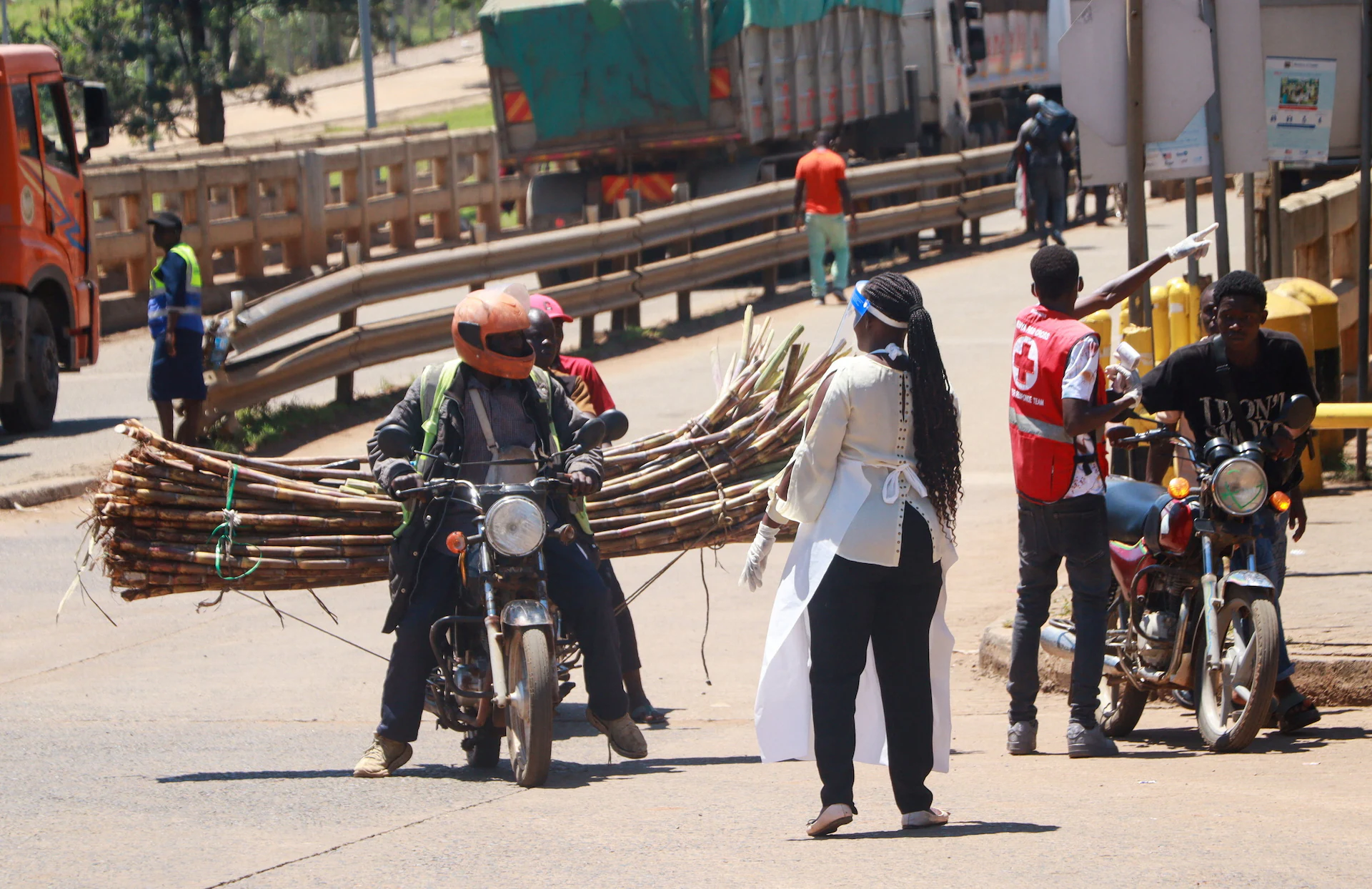
Kenya has reported no new Ebola cases after conducting 293 tests following the death of a patient who tested positive for the virus, according to the country’s Ministry of Health. The update, announced on Sunday, October 11, offers an encouraging development in the country’s efforts to contain the infection and prevent further transmission.
Kenya confirmed its first imported Ebola case on October 6 after a citizen who had travelled from the Democratic Republic of Congo (DRC) died from the disease in Nairobi. The patient died on October 5, prompting health authorities to intensify testing, contact tracing, and monitoring measures.
In its latest statement, the Ministry of Health said that only the previously confirmed case had tested positive among the samples examined. Authorities are continuing to monitor people who may have come into contact with the patient while urging the public to remain calm and seek medical attention if they suspect exposure or develop symptoms.
Kenya’s Ebola Tests Find No Additional Infections
Kenya’s Ministry of Health said it had tested 293 samples associated with 289 alerts following the confirmed Ebola infection. The results identified no additional positive cases beyond the original patient.
The testing forms part of the country’s response to the imported infection, with health officials working to identify possible cases and prevent the virus from spreading within communities.
Although the absence of additional positive results is encouraging, authorities continue to monitor the situation. Further surveillance and testing may be necessary as officials assess potential exposure among people who had contact with the confirmed patient.
More Than 100 Contacts Remain Under Quarantine
Health authorities have identified 122 contacts associated with the initial patient. Of those, 108 are in quarantine and have not developed symptoms, according to the Ministry of Health.
Contact tracing is a central part of the response because it helps officials identify people who may have been exposed to the virus and monitor their health. Quarantine and follow-up assessments can also help authorities respond quickly if a suspected infection emerges.
The ministry has not reported any new positive cases among the contacts in its latest update. However, continued monitoring remains important while health officials assess the potential risk of further transmission.
Health Ministry Urges Public to Stay Calm but Vigilant
Kenya’s Ministry of Health has appealed to the public to remain calm while maintaining awareness of the outbreak. Officials have also encouraged anyone concerned about possible exposure or experiencing symptoms to seek medical care.
The advice is intended to support early assessment and help health authorities identify potential infections promptly. Public cooperation can assist surveillance efforts, particularly when people provide accurate information about possible exposure and follow guidance from medical professionals.
Authorities are continuing their response as they work to prevent the imported case from developing into a wider outbreak within Kenya.
How Kenya’s Ebola Case Is Linked to the Outbreak in Congo
Kenya’s confirmed infection was linked to travel from the Democratic Republic of Congo, where a major Ebola epidemic has affected eastern parts of the country.
The outbreak in eastern Congo is the second-largest Ebola epidemic on record, with more than 8,000 cases reported, according to the supplied report. The spread of infections beyond national borders has increased the importance of surveillance and coordination among neighbouring countries.
Kenya is the fourth country to record a case linked to the Ebola epidemic in eastern Congo. Imported infections can create additional Public Health challenges because people may travel before their illness is recognized, potentially requiring authorities to trace contacts across multiple locations.
Kenya’s response has focused on testing, identifying contacts, and monitoring people who may have been exposed to the virus.
Why Early Detection and Contact Tracing Matter
Ebola is a serious infectious disease that requires a rapid public health response when a case is identified. Early detection allows medical teams to assess patients, implement appropriate infection-control measures, and investigate possible exposure.
Contact tracing helps authorities identify people who may have encountered an infected individual. Monitoring those contacts can help detect additional cases and limit opportunities for further transmission.
In Kenya, the testing of 293 samples and the monitoring of identified contacts form part of these efforts. The lack of additional positive results is a positive development, although it does not eliminate the need for continued vigilance.
What Happens Next in Kenya’s Ebola Response?
Kenyan health authorities are expected to continue surveillance, follow up with identified contacts, and assess any new alerts as part of their efforts to contain the imported infection.
The Ministry of Health has emphasized the importance of public awareness and encouraged people who believe they may have been exposed or who develop symptoms to seek medical care.
For now, the latest testing results indicate that no additional Ebola infections have been detected following the initial case. The continued monitoring of contacts and prompt investigation of suspected infections will remain important as Kenya works to prevent further spread.
The situation also highlights the need for cross-border cooperation as countries respond to outbreaks that can affect people travelling between regions. While Kenya’s latest results provide some reassurance, health officials continue to rely on surveillance, testing, and public cooperation to manage the risk.
For breaking news and live news updates, like us on Facebook or follow us on Twitter and Instagram. Read more on Latest Business on thefoxdaily.com.






COMMENTS 0