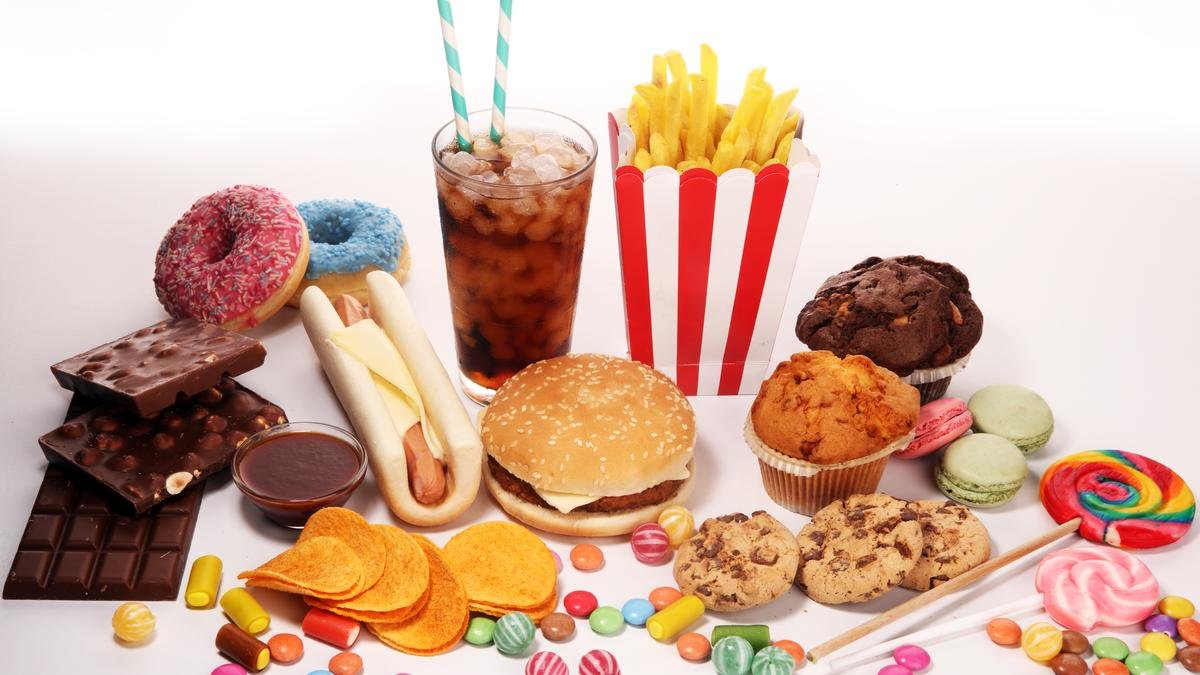
Bright packaging, celebrity endorsements, influencer campaigns, and claims such as “baked,” “multigrain,” “high in protein,” or “made with real ingredients” often create the impression that these products are healthy choices. However, many remain nutritionally poor and contribute to obesity, diabetes, hypertension, heart disease, and other chronic illnesses.
As India experiences a surge in non-communicable diseases, experts increasingly argue that restricting junk food advertising—particularly marketing aimed at children and adolescents—is no longer simply a regulatory debate but a Public Health necessity.
What Are Ultra-Processed Foods (UPFs)?
Ultra-processed foods are industrial formulations made largely from refined ingredients, additives, preservatives, artificial flavours, colours, emulsifiers, sweeteners, and stabilizers rather than whole foods.
These products are designed to maximize taste, convenience, shelf life, and repeat consumption rather than nutritional value.
Common Examples of UPFs
- Packaged chips and snacks
- Instant noodles
- Sweetened breakfast cereals
- Soft drinks and energy drinks
- Packaged biscuits and cookies
- Chocolate bars and confectionery
- Processed frozen foods
- Packaged desserts and pastries
- Flavoured yogurts with added sugar
- Highly processed ready-to-eat meals
Many of these products are marketed as convenient or healthier alternatives despite containing excessive sodium, sugar, unhealthy fats, and refined carbohydrates.
Understanding HFSS Foods
HFSS stands for High in Fat, Sugar, and Sodium. These foods may not always be ultra-processed, but they contain nutrient levels that exceed healthy dietary recommendations.
Frequent consumption of HFSS foods is associated with increased risks of obesity, metabolic disorders, cardiovascular disease, fatty liver disease, and certain cancers.
| Category | Typical Characteristics | Health Concerns |
|---|---|---|
| Ultra-Processed Foods (UPFs) | Industrial formulations with additives and refined ingredients | Poor nutritional quality, overeating, chronic disease risk |
| HFSS Foods | High levels of fat, sugar, or sodium | Obesity, hypertension, diabetes, heart disease |
Why Junk Food Advertising Is So Powerful
Food companies invest heavily in sophisticated marketing strategies because advertising significantly influences purchasing behavior.
Modern advertising extends far beyond traditional television commercials. Consumers are now exposed through:
- Instagram and Facebook advertisements
- YouTube video ads
- Influencer marketing
- Celebrity endorsements
- Sports sponsorships
- Gaming applications
- Food delivery platforms
- Streaming services
- School event sponsorships
- Outdoor advertising
These campaigns often emphasize taste, convenience, affordability, or emotional experiences while rarely highlighting nutritional risks.
The Hidden Problem With Health Claims
Many advertisements focus on one positive feature while ignoring several unhealthy characteristics.
For example, products may be promoted as:
- “Baked instead of fried”
- “Made with whole grains”
- “Contains real fruit”
- “High in calcium”
- “Protein enriched”
- “Zero cholesterol”
While these statements may be technically accurate, they often distract consumers from the product’s high salt, sugar, saturated fat, refined starch, or artificial additive content.
This practice creates what Nutrition experts describe as a health halo effect, where consumers perceive a product to be healthier than it actually is.
Why Children Are the Most Vulnerable
Children cannot critically evaluate advertising in the same way adults can. They are more likely to associate colorful packaging, cartoons, celebrities, and catchy slogans with trust and enjoyment.
Repeated exposure to junk food marketing can shape food preferences from an early age, influencing lifelong eating habits.
How Advertising Affects Children
- Creates brand loyalty before healthy eating habits develop.
- Increases cravings for sugary and salty foods.
- Encourages frequent snacking.
- Influences parents through repeated purchase requests.
- Reduces preference for fruits and vegetables.
Digital platforms have made targeted marketing even more effective, exposing children to personalized advertisements throughout the day.
The Health Consequences of Excessive UPF Consumption
Growing scientific evidence links high consumption of ultra-processed foods with numerous health conditions.
- Obesity
- Type 2 diabetes
- Hypertension
- Heart disease
- Stroke
- Fatty liver disease
- Digestive disorders
- Certain cancers
- Poor mental health outcomes
- Reduced overall life expectancy
Many researchers believe these risks arise not only from excess calories but also from the food’s industrial processing, additives, altered texture, and impact on appetite regulation.
Why Marketing Can Mislead Consumers
Modern food marketing often emphasizes sensory appeal rather than nutritional quality.
Advertisements highlight:
- Crunchiness
- Cheesy flavor
- Extra creaminess
- Spicy taste
- Limited editions
- Fun experiences
Rarely do they explain:
- High sodium content
- Added sugars
- Refined starches
- Artificial flavour enhancers
- Emulsifiers
- Preservatives
- Food additives
- Portion-related risks
This imbalance limits consumers’ ability to make fully informed choices.
India’s Growing Burden of Lifestyle Diseases
India is witnessing a rapid increase in non-communicable diseases alongside changing dietary habits.
Urbanization, rising disposable incomes, busy lifestyles, food delivery services, and aggressive marketing have increased consumption of packaged convenience foods.
At the same time, rates of childhood obesity, adult diabetes, hypertension, and cardiovascular disease continue to rise.
Reducing exposure to junk food advertising is increasingly viewed as one component of a broader prevention strategy.
Lessons From Global Public Health Policies
Several countries have introduced stronger restrictions on unhealthy food marketing, particularly where children are concerned.
Common regulatory approaches include:
- Restricting television advertisements during children’s programming.
- Banning cartoon characters on unhealthy food packaging.
- Limiting celebrity endorsements.
- Introducing front-of-pack warning labels.
- Restricting digital advertising directed at minors.
- Reducing junk food promotions in schools.
While regulatory models differ, the shared objective is to create healthier food environments rather than relying solely on individual willpower.
What Stronger Regulation in India Could Include
Experts suggest that effective regulation should address the modern digital advertising ecosystem rather than focusing only on traditional media.
| Possible Measure | Potential Public Health Benefit |
|---|---|
| Restrictions on child-directed advertising | Reduces early exposure to unhealthy food marketing |
| Mandatory nutrition disclosures in advertisements | Improves consumer awareness |
| Limits on celebrity endorsements | Reduces persuasive influence on children and teenagers |
| Clear front-of-pack labeling | Supports informed purchasing decisions |
| Digital advertising oversight | Addresses targeted online marketing practices |
| School advertising restrictions | Promotes healthier food environments |
The Role of Parents and Consumers
While stronger regulation is important, consumers also play a significant role in encouraging healthier food choices.
Parents can:
- Read ingredient lists carefully.
- Compare nutrition labels before purchasing.
- Limit sugary beverages and processed snacks.
- Encourage home-cooked meals.
- Teach children how advertising influences decisions.
- Offer healthier snack alternatives.
Developing media literacy can help children recognize persuasive marketing techniques rather than accepting advertisements at face value.
Why Transparency Matters More Than Marketing
Consumers deserve clear and complete information about the products they purchase. Marketing should not overshadow nutritional reality.
Claims such as “baked,” “lite,” or “multigrain” should never distract from excessive salt, sugar, unhealthy fats, or highly processed ingredients.
Providing transparent nutrition information empowers consumers to make decisions aligned with their long-term health rather than short-term marketing appeal.
Balancing Consumer Choice and Public Health
Restricting junk food advertising does not eliminate consumer choice. People remain free to purchase the foods they prefer.
The objective is instead to ensure that choices are made in an environment where consumers—especially children—are not constantly influenced by persuasive marketing that downplays health risks.
Public health experts argue that healthier food environments ultimately benefit individuals, families, healthcare systems, and the national economy by reducing preventable disease.
Conclusion
India’s growing dependence on ultra-processed and HFSS foods presents a complex challenge that extends beyond individual dietary choices. Aggressive advertising, misleading health claims, digital marketing, and child-focused promotions have created an environment where unhealthy products often appear more attractive than nutritious alternatives.
Restricting junk food advertising—particularly marketing aimed at children and adolescents—should be viewed as an important preventive public health measure. Combined with transparent food labeling, stronger consumer awareness, responsible industry practices, and healthier food policies, such reforms can help reduce the burden of obesity, diabetes, heart disease, and other lifestyle-related illnesses. As India’s food environment continues to evolve, prioritizing truthful marketing and informed consumer choice will be essential for building a healthier future.
For breaking news and live news updates, like us on Facebook or follow us on Twitter and Instagram. Read more on Latest Health on thefoxdaily.com.





COMMENTS 0