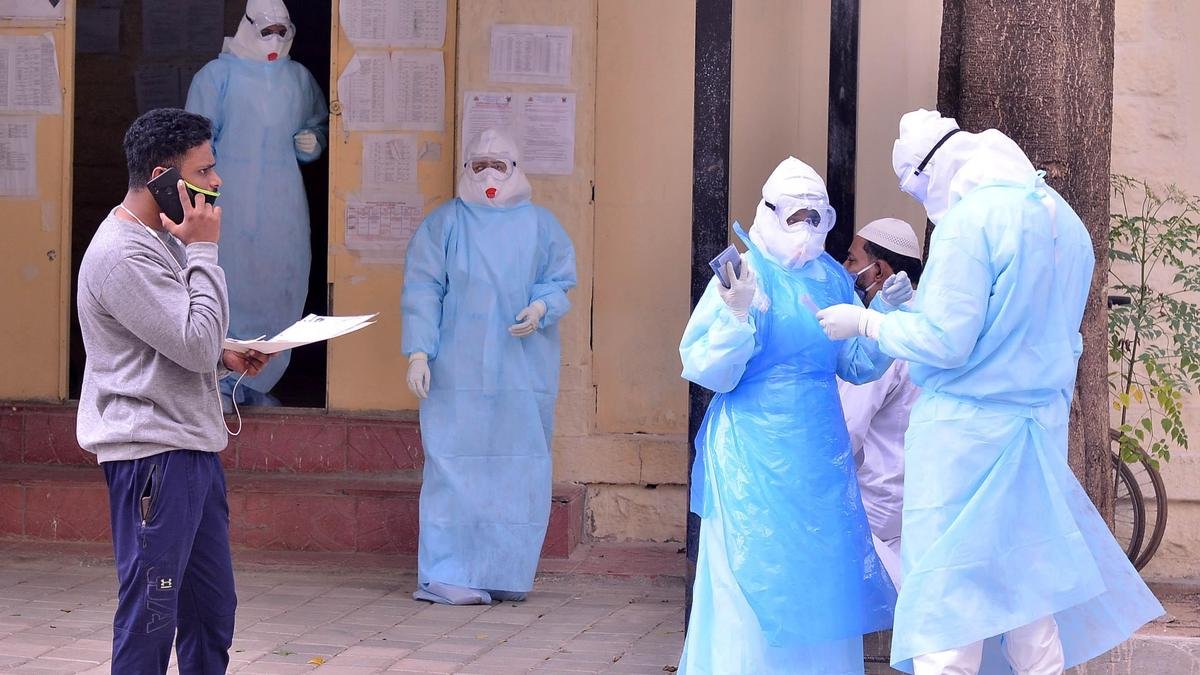
The COVID-19 pandemic exposed a reality that many countries were unprepared to confront: having advanced hospitals, sophisticated laboratories, and emergency response plans does not necessarily guarantee better protection during a global health crisis. A new international study argues that the single most reliable predictor of how severely a country will be affected by a pandemic is not its healthcare infrastructure alone—but the level of economic inequality within its society.
The findings challenge decades of conventional thinking about pandemic preparedness. Researchers conclude that nations with large income gaps tend to experience more infections, higher mortality, greater economic disruption, and slower recovery, even if they rank highly on traditional preparedness indexes.
The study suggests that governments should shift their focus from purely technical readiness toward building more equitable societies that can protect vulnerable populations before, during, and after Public Health emergencies.
Key Findings From the Global Research
The study examined how countries performed during the COVID-19 pandemic and compared those outcomes with established measures of pandemic preparedness. It found that traditional indicators, such as laboratory capacity, emergency response systems, and healthcare resources, did not consistently predict success.
Instead, researchers identified a clear relationship between lower economic inequality and better pandemic outcomes.
| Traditional Preparedness Measures | Study Findings |
|---|---|
| Laboratory capacity | No consistent relationship with pandemic outcomes. |
| Emergency response plans | Important but insufficient on their own. |
| Healthcare infrastructure | Did not consistently predict lower deaths or infections. |
| Economic equality | Strong and consistent predictor of better outcomes. |
| Social protection policies | Helped reduce both health and economic impacts. |
Why Economic Inequality Matters During a Pandemic
Economic inequality affects nearly every aspect of a country’s ability to respond to infectious disease outbreaks. People living with financial insecurity often face circumstances that make it difficult to follow public health guidance.
Workers without paid sick leave may continue working while ill. Families living paycheck to paycheck may be unable to isolate during outbreaks. Crowded housing increases transmission, while limited healthcare access delays diagnosis and treatment.
As a result, infections spread faster, healthcare systems become overwhelmed, and preventable deaths increase.
How Inequality Increases Pandemic Risk
- Limited access to healthcare services.
- Higher rates of chronic illnesses among disadvantaged communities.
- Overcrowded living conditions.
- Greater dependence on public-facing jobs.
- Lack of financial support during lockdowns.
- Reduced access to preventive healthcare.
- Digital inequality affecting access to health information.
- Lower trust in institutions and public messaging.
Lessons Learned From COVID-19
One of the study’s most striking observations is that several countries considered highly prepared before COVID-19 experienced severe outbreaks despite their advanced medical systems.
Meanwhile, some nations with lower levels of inequality managed to limit infections and deaths more effectively despite having fewer healthcare resources.
This demonstrates that pandemic preparedness extends beyond hospitals and emergency stockpiles. Social resilience, economic stability, and equal access to healthcare can be equally important.
Preparedness Is More Than Hospitals and Laboratories
Traditional preparedness assessments often emphasize measurable resources such as intensive care beds, testing laboratories, surveillance systems, and emergency response protocols.
While these remain essential, the new research argues they represent only part of the picture.
Successful pandemic management also depends on whether people can realistically comply with public health measures without facing financial hardship.
Why Social Protection Policies Save Lives
The researchers recommend expanding social protection as a central component of future pandemic planning.
Financial support allows people to prioritize health over immediate income. Workers who receive paid sick leave are more likely to stay home when infected, reducing community transmission.
Examples of Effective Social Protection
- Paid sick leave.
- Temporary unemployment benefits.
- Emergency cash transfers.
- Food assistance programmes.
- Housing support.
- Protection for informal workers.
- Income support for small businesses.
Such measures help reduce disease spread while protecting livelihoods during public health emergencies.
Universal Healthcare Strengthens National Resilience
Accessible healthcare encourages early diagnosis, timely treatment, and better disease surveillance.
When financial barriers prevent people from seeking medical care, infections remain undetected longer, allowing outbreaks to spread more widely.
Universal healthcare systems also improve vaccination coverage, management of chronic diseases, and public confidence in health authorities.
Global Vaccine Equity Remains a Critical Challenge
The COVID-19 pandemic highlighted major disparities in access to vaccines, medicines, and diagnostic tests.
Many high-income countries secured large vaccine supplies early, while numerous lower-income nations waited months for sufficient doses. These delays prolonged transmission, increased mortality, and allowed new variants to emerge.
The study argues that future pandemic responses should prioritize equitable global distribution of life-saving medical technologies rather than allowing wealth alone to determine access.
Debt Relief Could Help Low-Income Countries Respond Faster
Another recommendation involves temporary debt relief for economically vulnerable nations during declared pandemics.
Many governments spend substantial portions of their budgets servicing debt, leaving fewer resources for healthcare, vaccination campaigns, medical supplies, and emergency economic support.
Reducing financial pressure during global emergencies could strengthen national responses while preventing humanitarian crises.
Balancing Innovation With Global Access
The report also raises questions about intellectual property during public health emergencies.
Researchers suggest exploring alternative systems that continue rewarding pharmaceutical innovation while enabling wider manufacturing of essential medicines and vaccines.
The objective is to ensure that life-saving treatments become available rapidly across all regions rather than remaining concentrated in wealthier countries.
Other Factors That Influence Pandemic Success
Although economic inequality emerged as a strong predictor, experts emphasize that pandemic preparedness remains multifaceted.
Several additional elements contribute to national resilience.
| Factor | Why It Matters |
|---|---|
| Universal healthcare | Improves access to diagnosis and treatment. |
| Strong political leadership | Supports timely decision-making. |
| Public trust | Encourages compliance with health measures. |
| Scientific communication | Reduces misinformation. |
| Economic equality | Allows broader participation in disease control efforts. |
| Healthcare workforce | Maintains service delivery during crises. |
Why Public Trust Is Essential
Pandemics require widespread cooperation between governments and citizens. Even the most sophisticated health systems struggle when people distrust official guidance or lack confidence in public institutions.
Transparent communication, consistent policies, and community engagement help improve compliance with vaccination campaigns, quarantine measures, and preventive behaviours.
Preparing for Future Pandemics
The study encourages governments to adopt an “inequality-informed pandemic preparedness” framework that integrates healthcare planning with broader social and economic policies.
Future preparedness strategies should include:
- Reducing income inequality.
- Strengthening universal healthcare.
- Expanding paid sick leave.
- Improving access to affordable medicines.
- Investing in disease surveillance.
- Enhancing global cooperation.
- Supporting vulnerable populations.
- Building resilient public health infrastructure.
What This Means for Policymakers
The findings suggest that pandemic resilience cannot be achieved solely through medical investment. Governments also need policies that reduce social vulnerability, improve economic security, and ensure healthcare access for all sections of society.
Addressing inequality before the next global health emergency could reduce infections, lower mortality, minimize economic disruption, and accelerate recovery.
Implications for Developing Countries
For low- and middle-income countries, the research highlights the importance of balancing investments in healthcare infrastructure with broader social development. Expanding education, improving employment opportunities, strengthening primary healthcare, and protecting vulnerable communities may enhance resilience against future pandemics.
International cooperation will also remain essential. Disease outbreaks do not respect national borders, making equitable access to vaccines, treatments, diagnostics, and financial support critical components of global health security.
The Bigger Picture
The COVID-19 pandemic demonstrated that preparedness extends far beyond hospitals and laboratories. Economic conditions, social policies, healthcare accessibility, and public trust all influence how effectively countries respond to emerging infectious diseases.
As governments prepare for future global health threats, the study encourages a broader understanding of resilience—one that recognizes reducing inequality as a public health strategy rather than simply an economic objective.
Key Takeaway: Advanced healthcare systems alone cannot guarantee better pandemic outcomes. Countries that reduce economic inequality, strengthen social protections, expand healthcare access, and ensure equitable distribution of medical resources are likely to be better equipped to manage future global health emergencies.
For breaking news and live news updates, like us on Facebook or follow us on Twitter and Instagram. Read more on Latest Health on thefoxdaily.com.





COMMENTS 0