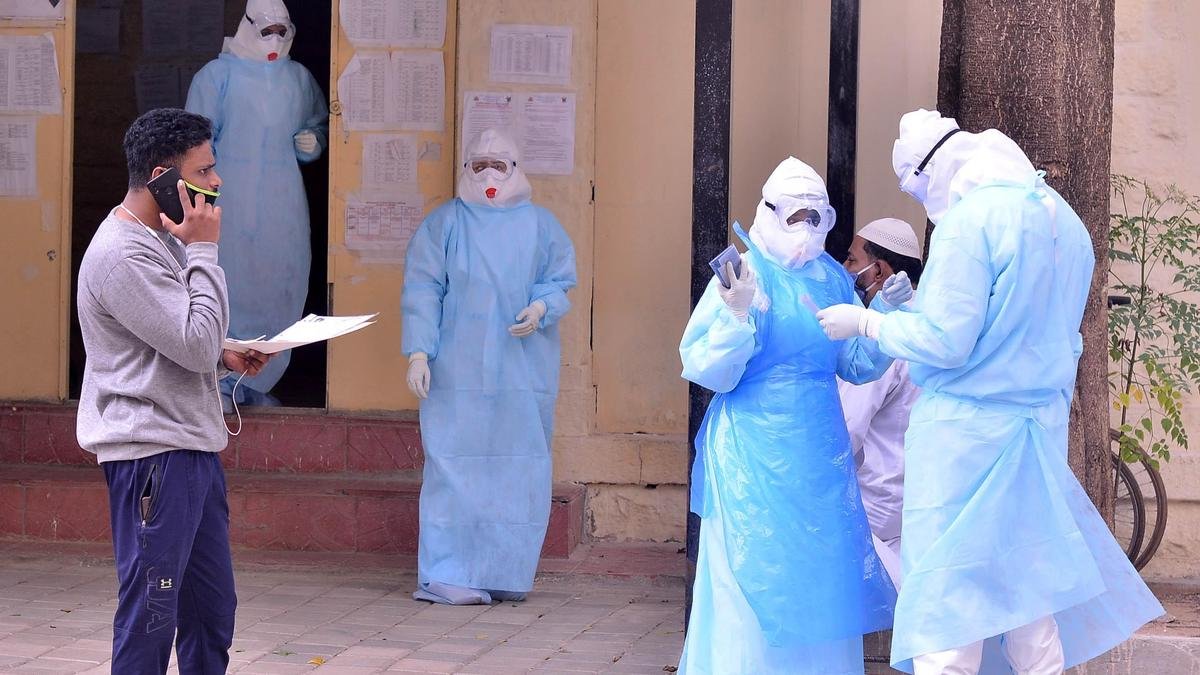
A country’s ability to respond effectively to pandemics may depend as much on social inequality as on the strength of its healthcare system, according to new research. The study suggests that nations with higher levels of inequality often experience poorer pandemic outcomes because unequal access to healthcare, education, income and essential services weakens both prevention and response efforts.
The findings have prompted researchers to call for “inequality-informed pandemic preparedness“—an approach that recognizes reducing social and economic disparities as a critical component of Public Health resilience. Instead of focusing solely on hospitals, vaccines and emergency response plans, governments are being encouraged to address the structural inequalities that make populations more vulnerable during health emergencies.
The COVID-19 pandemic demonstrated that viruses may infect anyone, but their impact is rarely equal. Differences in income, living conditions, healthcare access and employment significantly influence who becomes infected, who receives treatment and who is most likely to experience severe illness.
What Is Inequality-Informed Pandemic Preparedness?
Inequality-informed pandemic preparedness is a public health strategy that incorporates social, economic and healthcare inequalities into emergency planning.
Rather than treating every community as equally equipped to face a pandemic, this approach recognizes that vulnerable populations often face greater barriers before, during and after health crises.
It encourages policymakers to identify disadvantaged groups in advance and design targeted interventions that improve healthcare access, communication and support.
Why Inequality Matters During a Pandemic
Pandemics expose weaknesses that already exist within societies. Communities facing poverty, overcrowding, limited healthcare access or unstable employment often experience greater disease transmission and poorer health outcomes.
Several factors explain this relationship:
- Limited access to quality healthcare services.
- Delayed diagnosis and treatment.
- Crowded housing that increases disease transmission.
- Lower vaccination coverage in underserved communities.
- Reduced access to reliable health information.
- Financial barriers to seeking medical care.
- Greater prevalence of chronic diseases.
These disadvantages can compound during public health emergencies, making recovery more difficult.
How Social Inequality Influences Pandemic Outcomes
Social inequality affects nearly every stage of a pandemic, from exposure to recovery.
Individuals in disadvantaged communities may be more likely to:
- Work in public-facing occupations that cannot be performed remotely.
- Depend on crowded public transportation.
- Live in multi-generational households.
- Delay seeking medical care due to financial concerns.
- Experience limited access to testing and vaccination services.
As a result, disease transmission may occur more rapidly, and severe outcomes may become more common.
Economic Inequality and Public Health
Income inequality has profound effects on health even outside pandemics. During infectious disease outbreaks, these differences become even more visible.
Lower-income families may struggle to:
- Purchase protective supplies.
- Take unpaid leave when ill.
- Access private healthcare.
- Maintain adequate nutrition during lockdowns.
- Recover financially after illness.
Economic hardship also increases stress, which can indirectly affect physical and mental health.
Healthcare Access Plays a Critical Role
Healthcare infrastructure alone does not guarantee equitable outcomes. The ability of people to actually reach and use healthcare services is equally important.
Communities facing shortages of healthcare facilities or healthcare professionals often experience:
- Longer delays in diagnosis.
- Reduced preventive care.
- Lower vaccination uptake.
- Greater burden on emergency services.
- Higher mortality during health crises.
Expanding primary healthcare and improving affordability are therefore essential components of pandemic preparedness.
Lessons Learned From Recent Global Health Emergencies
The COVID-19 pandemic demonstrated that preparedness extends beyond stockpiling medical supplies. Countries also need strong social systems capable of protecting vulnerable populations during prolonged emergencies.
Successful responses often included:
- Rapid public health communication.
- Accessible testing and vaccination.
- Income support for affected families.
- Strong community healthcare networks.
- Reliable disease surveillance systems.
- Collaboration between government agencies.
These measures were generally more effective when combined with policies that reduced barriers to healthcare access.
Key Factors That Influence Pandemic Preparedness
| Factor | Impact During a Pandemic | Why It Matters |
| Income Equality | Improves access to healthcare and resources | Supports timely treatment and prevention |
| Healthcare Access | Enables early diagnosis and care | Reduces severe illness and mortality |
| Education | Improves understanding of public health guidance | Encourages preventive behaviours |
| Social Protection | Supports vulnerable families during crises | Reduces economic hardship |
| Public Health Infrastructure | Strengthens emergency response capacity | Improves outbreak control |
| Community Trust | Increases cooperation with health measures | Supports vaccination and disease control |
Why Vulnerable Populations Need Special Attention
Health emergencies rarely affect all population groups equally. Older adults, people with disabilities, low-income households, migrants and rural communities often face greater risks during outbreaks.
Public health planning should therefore include:
- Accessible healthcare facilities.
- Inclusive communication strategies.
- Targeted vaccination campaigns.
- Support for essential workers.
- Protection for elderly and high-risk populations.
Addressing these needs before emergencies occur strengthens national resilience.
Building Fairer Health Systems
Reducing inequality requires long-term investment across multiple sectors rather than emergency action alone.
Governments can improve preparedness by:
- Expanding universal healthcare access.
- Strengthening primary healthcare services.
- Improving disease surveillance systems.
- Reducing financial barriers to medical care.
- Investing in public health education.
- Supporting rural healthcare infrastructure.
- Addressing nutrition and housing inequalities.
These measures improve everyday health while also increasing preparedness for future emergencies.
Why Public Trust Is Essential During Pandemics
Effective pandemic responses rely heavily on public confidence in health authorities. People are more likely to follow public health recommendations when communication is transparent, consistent and based on scientific evidence.
Communities that trust healthcare systems generally experience higher vaccination rates, better compliance with preventive measures and stronger cooperation during emergencies.
The Economic Benefits of Reducing Inequality
Investing in equitable healthcare and social protection is not only beneficial for health—it also strengthens economic resilience.
Healthier populations experience:
- Greater workforce productivity.
- Lower healthcare costs.
- Reduced economic disruption during outbreaks.
- Faster recovery following public health emergencies.
Preventive investment often costs less than responding to large-scale crises after they have already spread.
The Future of Pandemic Preparedness
Experts increasingly agree that preparing for future pandemics requires more than emergency hospitals and vaccine development. Countries must also strengthen the social foundations that determine how effectively communities can respond to health threats.
Reducing inequality improves access to healthcare, encourages healthier living conditions and creates stronger public institutions capable of responding rapidly during emergencies.
Conclusion
The growing evidence that inequality is one of the strongest predictors of pandemic outcomes highlights an important shift in public health thinking. Future preparedness cannot rely solely on medical technology or emergency response plans. It must also address the social and economic conditions that influence who becomes most vulnerable during health crises.
By adopting inequality-informed pandemic preparedness, countries can build stronger healthcare systems, protect vulnerable communities and improve resilience against future global health emergencies. Investing in equity today may become one of the most effective strategies for saving lives tomorrow.
For breaking news and live news updates, like us on Facebook or follow us on Twitter and Instagram. Read more on Latest Health on thefoxdaily.com.






COMMENTS 0