ICMR-NIN Consortium Urges Healthier School Food Policies to Combat Childhood Obesity and Diet-Related Diseases in India
India is facing a growing Public Health challenge as childhood obesity and diet-related non-communicable diseases (NCDs) continue to rise. To address this trend, a multi-institutional consortium led by the ICMR-National Institute of Nutrition (ICMR-NIN) has released a comprehensive set of policy recommendations aimed at creating healthier food environments for children and adolescents.
The “Let’s Fix Our Food” (LFOF) Consortium has called for healthier school food environments, stricter regulation of unhealthy food marketing, front-of-pack nutrition labelling, taxation of foods high in fat, sugar and salt (HFSS), improved nutrition literacy, and stronger public health policies. Experts believe that coordinated action across education, healthcare, food regulation, and public policy is essential to reduce obesity, diabetes, hypertension, and other diet-related diseases among India’s younger population.
Why India Needs Stronger Food Policies
India is undergoing a rapid nutrition transition, with increased consumption of ultra-processed foods, sugar-sweetened beverages, packaged snacks, and fast food.
While undernutrition remains a concern in some populations, overweight, obesity, and lifestyle-related diseases are increasing across both urban and rural communities.
Children and adolescents are particularly vulnerable because eating habits established early in life often continue into adulthood.
Key Recommendations from the ICMR-NIN Consortium
The policy roadmap outlines several priority actions designed to improve children’s nutrition and reduce exposure to unhealthy food environments.
- Create healthier school food environments.
- Strengthen nutrition education.
- Introduce front-of-pack nutrition labels.
- Regulate marketing of HFSS foods to children.
- Tax unhealthy high-fat, sugar and salt foods.
- Reduce salt consumption.
- Promote healthier dietary fats.
- Encourage healthier food choices through public awareness campaigns.
Together, these interventions aim to improve dietary habits and reduce long-term disease risk.
| Policy Recommendation | Expected Public Health Benefit |
|---|---|
| Healthy school food environments | Improves children’s daily nutrition |
| Front-of-pack nutrition labels | Helps consumers make informed choices |
| HFSS food marketing restrictions | Reduces unhealthy food exposure among children |
| Taxation of unhealthy foods | Discourages excessive consumption |
| Nutrition literacy programmes | Builds lifelong healthy eating habits |
What Are HFSS Foods?
HFSS refers to foods that are High in Fat, Sugar, and Salt.
Examples commonly include:
- Packaged chips.
- Sugary soft drinks.
- Confectionery.
- Sweetened breakfast cereals.
- Highly processed snacks.
- Certain fast-food products.
Frequent consumption of these foods has been associated with obesity and increased risk of chronic diseases when consumed in excess as part of an unhealthy diet.
Healthy School Food Environments Matter
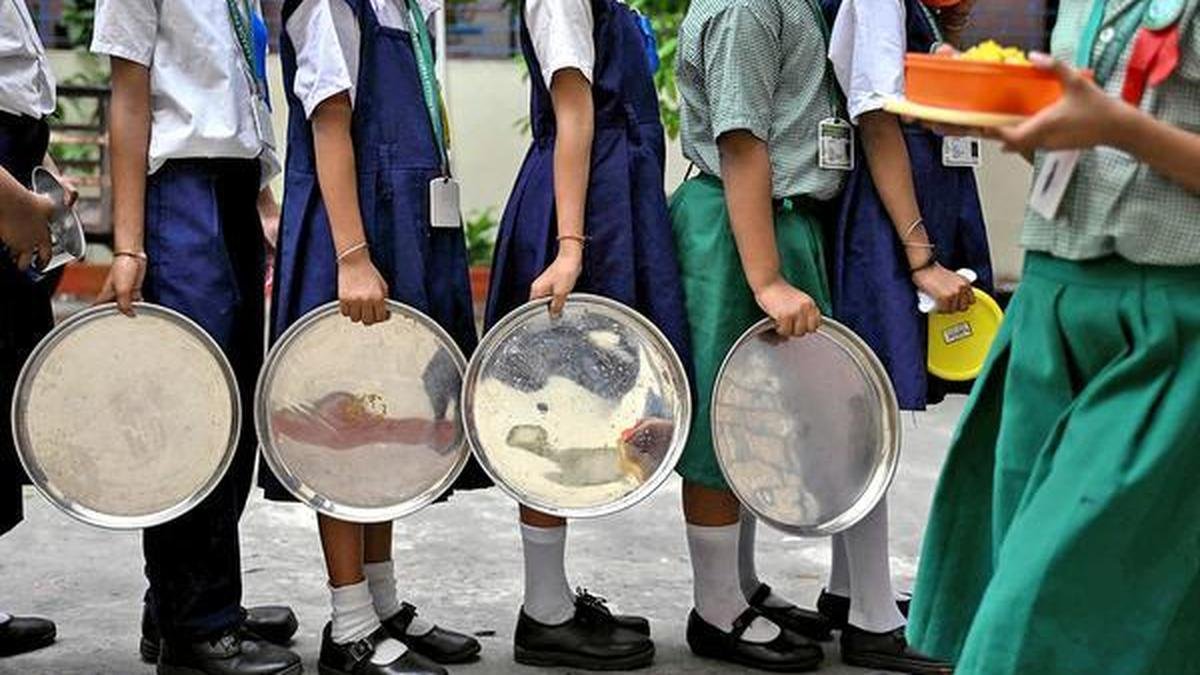
Schools play a crucial role in shaping children’s eating behaviours because students consume a significant portion of their daily meals and snacks during school hours.
A healthier school food environment may include:
- Nutritious school meals.
- Healthy canteen options.
- Availability of safe drinking water.
- Restrictions on unhealthy food sales.
- Nutrition education programmes.
These measures encourage healthier choices during formative years.
Why Front-of-Pack Nutrition Labelling Is Important
Front-of-pack nutrition labels provide simple nutritional information on food packaging that helps consumers quickly understand whether a product contains high levels of sugar, salt, or saturated fat.
Such labels can:
- Improve consumer awareness.
- Support healthier purchasing decisions.
- Encourage manufacturers to reformulate products.
- Promote transparency in packaged foods.
Clear labelling is increasingly being considered an important public health tool worldwide.
Marketing Strongly Influences Children’s Food Choices
Children are highly influenced by advertising across television, digital platforms, gaming apps, and social media.
Frequent exposure to advertisements promoting unhealthy foods can shape:
- Food preferences.
- Purchase requests.
- Brand loyalty.
- Eating habits.
Restricting marketing directed at children is considered an important strategy for improving dietary behaviours.
Nutrition Literacy Begins Early
Teaching children how to understand food labels, identify healthier foods, and maintain balanced diets can improve lifelong health outcomes.
Nutrition literacy programmes often focus on:
- Reading nutrition labels.
- Balanced meal planning.
- Understanding fats, sugars, and salt.
- Healthy snacking habits.
- Importance of fruits and vegetables.
Parents, teachers, and schools all contribute to developing these skills.
India’s Growing Burden of Diet-Related Diseases
Diet-related non-communicable diseases have become one of India’s largest public health concerns.
These include:
- Obesity.
- Type 2 diabetes.
- Hypertension.
- Cardiovascular disease.
- Certain metabolic disorders.
Poor dietary habits combined with sedentary lifestyles continue to drive increasing disease rates across all age groups.
| Health Challenge | Potential Long-Term Impact |
|---|---|
| Childhood obesity | Higher risk of adult obesity |
| High sugar intake | Increased diabetes risk |
| Excess salt consumption | Higher blood pressure |
| Unhealthy dietary fats | Greater cardiovascular disease risk |
| Poor nutrition literacy | Unhealthy lifelong eating patterns |
Multi-Sector Collaboration Is Essential
The consortium emphasizes that improving children’s nutrition cannot be achieved by the healthcare sector alone.
Successful implementation requires collaboration between:
- Government agencies.
- Schools.
- Healthcare professionals.
- Food regulators.
- Public health organizations.
- Parents and communities.
Coordinated action can help create environments where healthy choices become easier.
The Role of Parents and Families
Families remain one of the strongest influences on children’s eating habits.
Parents can encourage healthier lifestyles by:
- Preparing balanced home-cooked meals.
- Limiting sugary drinks.
- Offering fruits and vegetables regularly.
- Reading food labels together.
- Reducing screen time during meals.
- Encouraging regular physical activity.
Healthy habits established at home often reinforce school-based nutrition efforts.
Building Healthier Food Environments
Food environments include the physical, economic, social, and digital spaces where people make food choices.
Creating healthier food environments may involve:
- Improving access to nutritious foods.
- Making healthy foods more affordable.
- Limiting promotion of unhealthy products.
- Supporting informed consumer choices.
- Strengthening public awareness campaigns.
These interventions aim to make healthy eating the easier and more accessible choice.
Conclusion
The recommendations issued by the ICMR-NIN-led “Let’s Fix Our Food” Consortium present a comprehensive roadmap for addressing one of India’s fastest-growing public health challenges. By promoting healthier school food environments, improving nutrition literacy, strengthening food labelling, regulating unhealthy food marketing, and encouraging healthier dietary choices, the proposed measures seek to protect children and adolescents from obesity and diet-related non-communicable diseases.
As India continues to face rising rates of diabetes, hypertension, obesity, and other lifestyle-related illnesses, early intervention through evidence-based nutrition policies has the potential to improve lifelong health outcomes. Building healthier food environments today could help create a healthier generation tomorrow.
For breaking news and live news updates, like us on Facebook or follow us on Twitter and Instagram. Read more on Latest Health on thefoxdaily.com.






COMMENTS 0